Testing the camera of the new iPhone 13 Pro

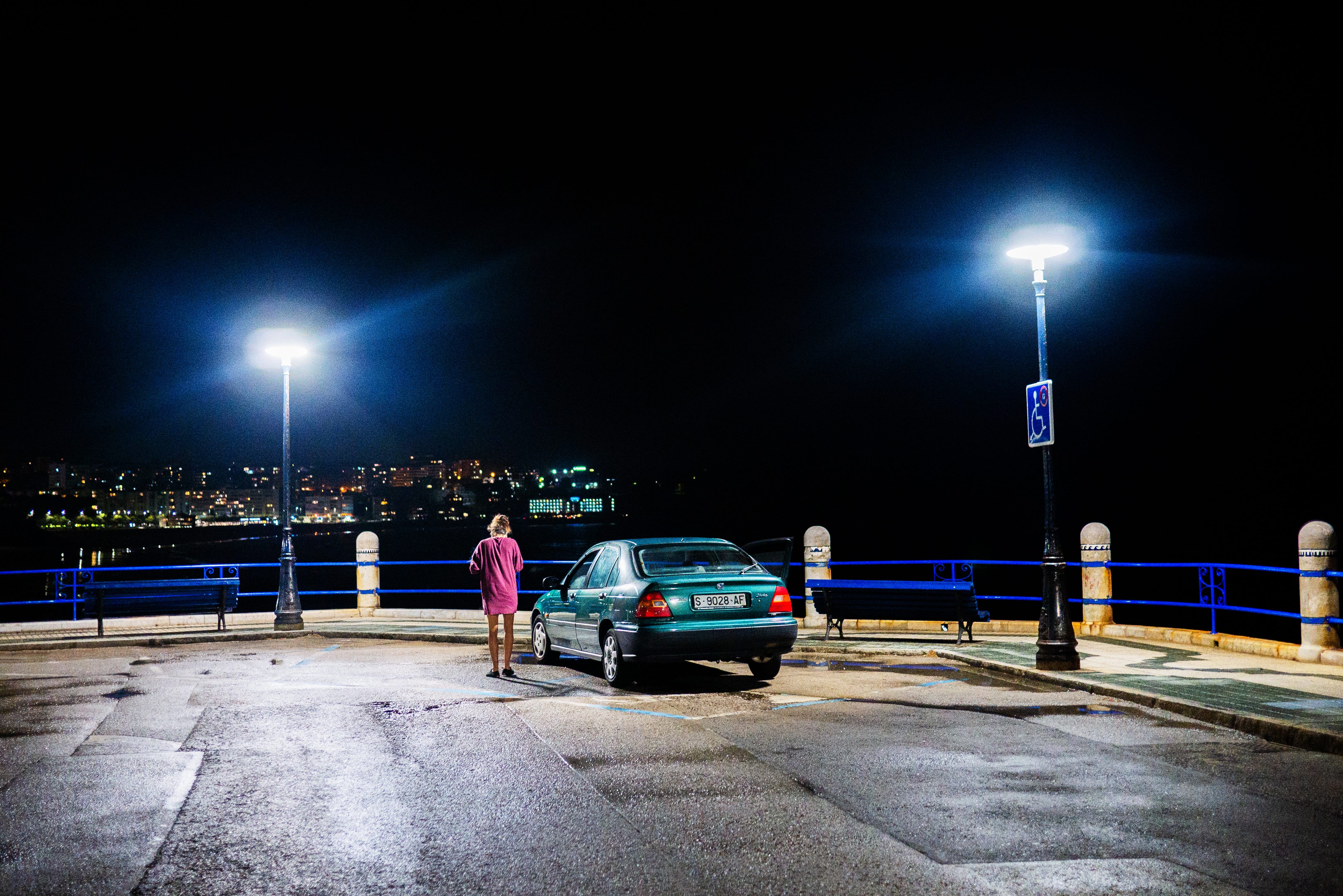
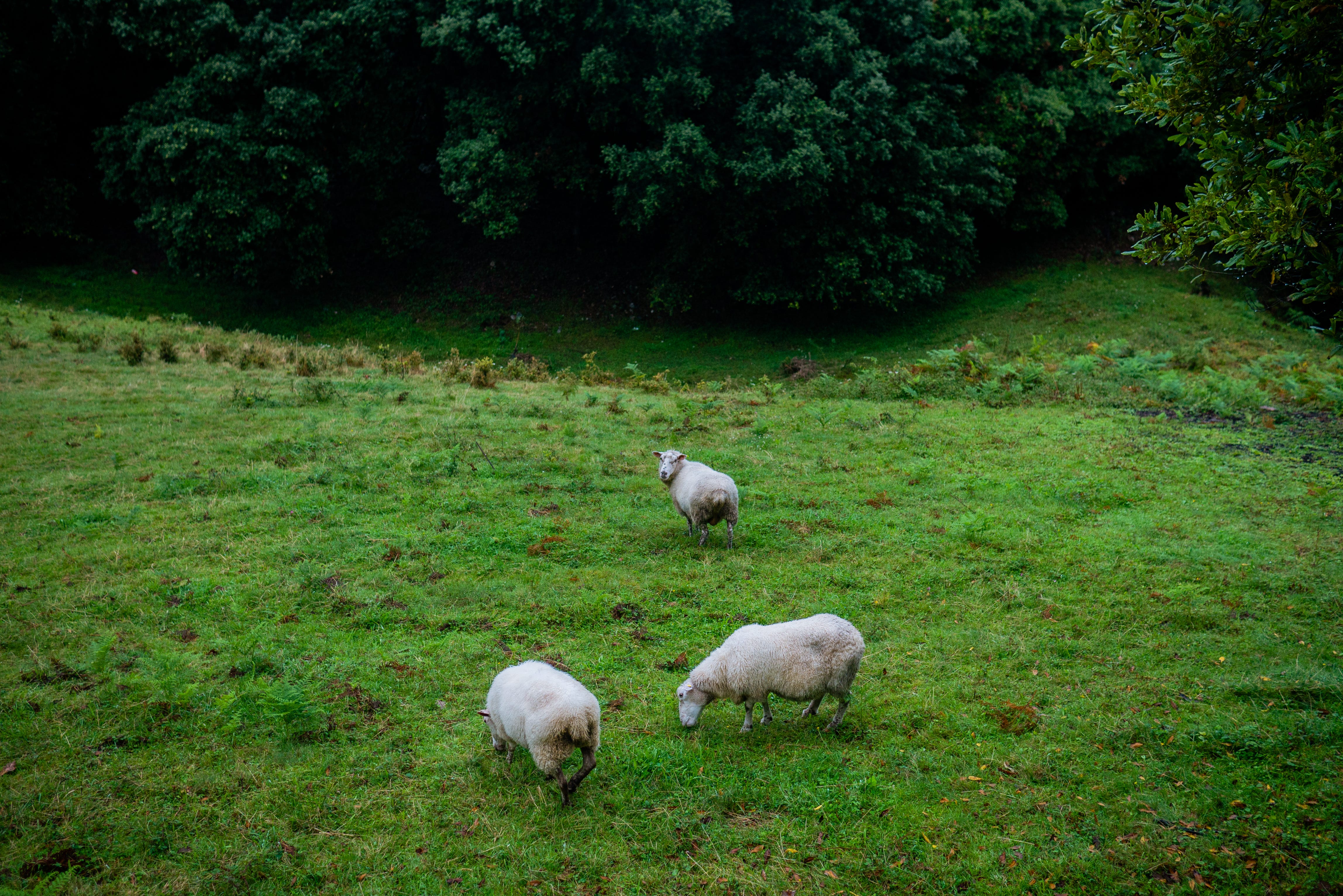
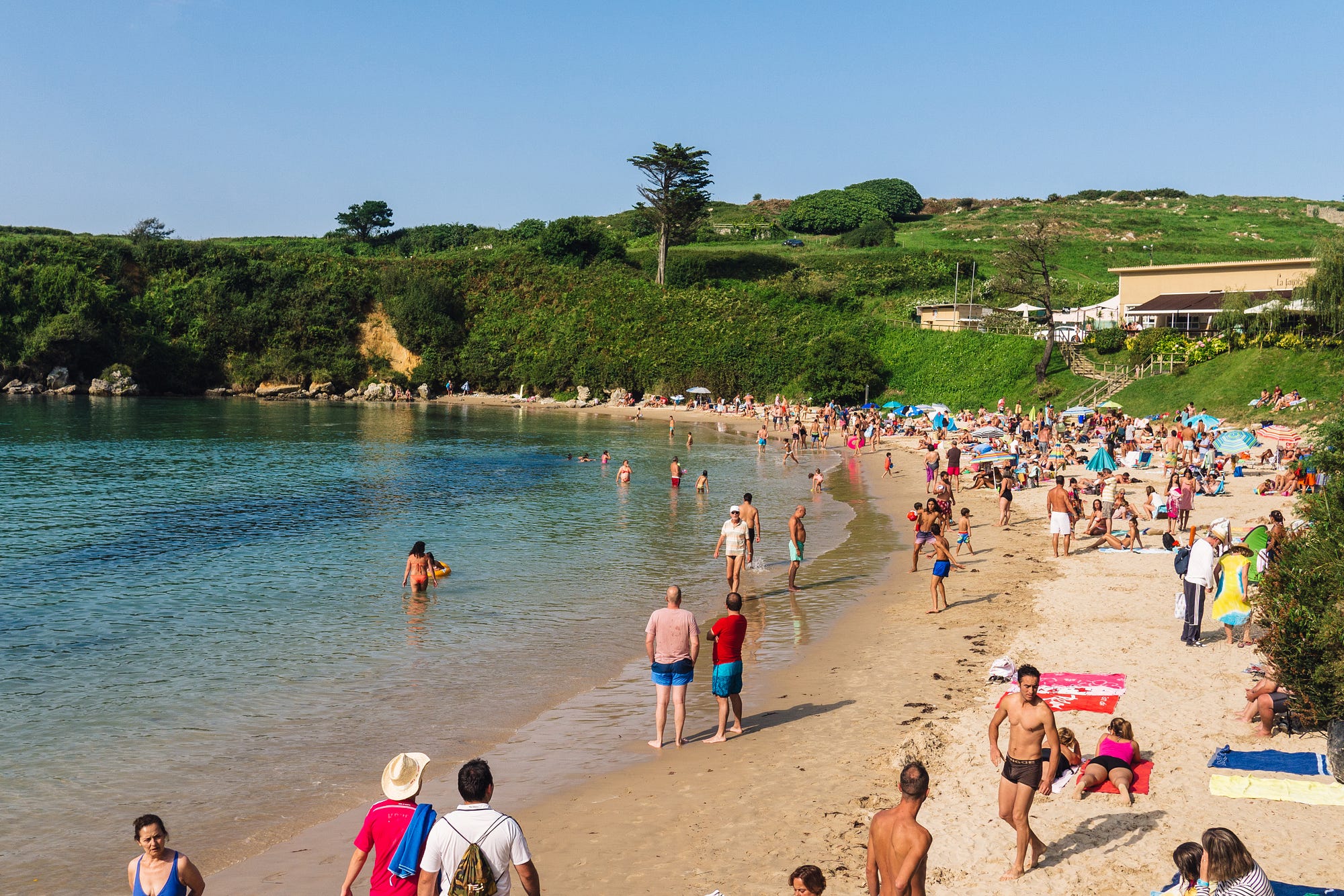
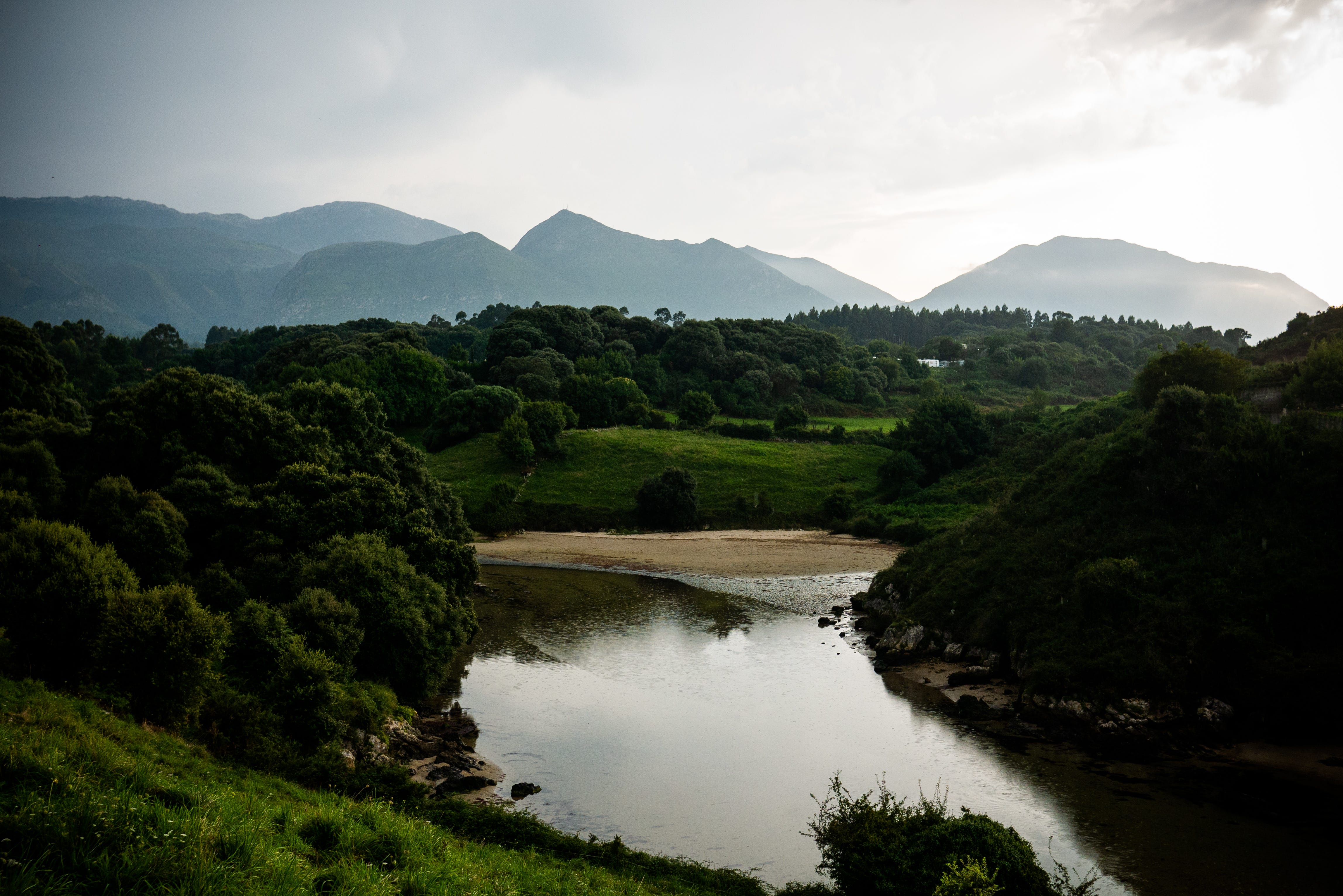
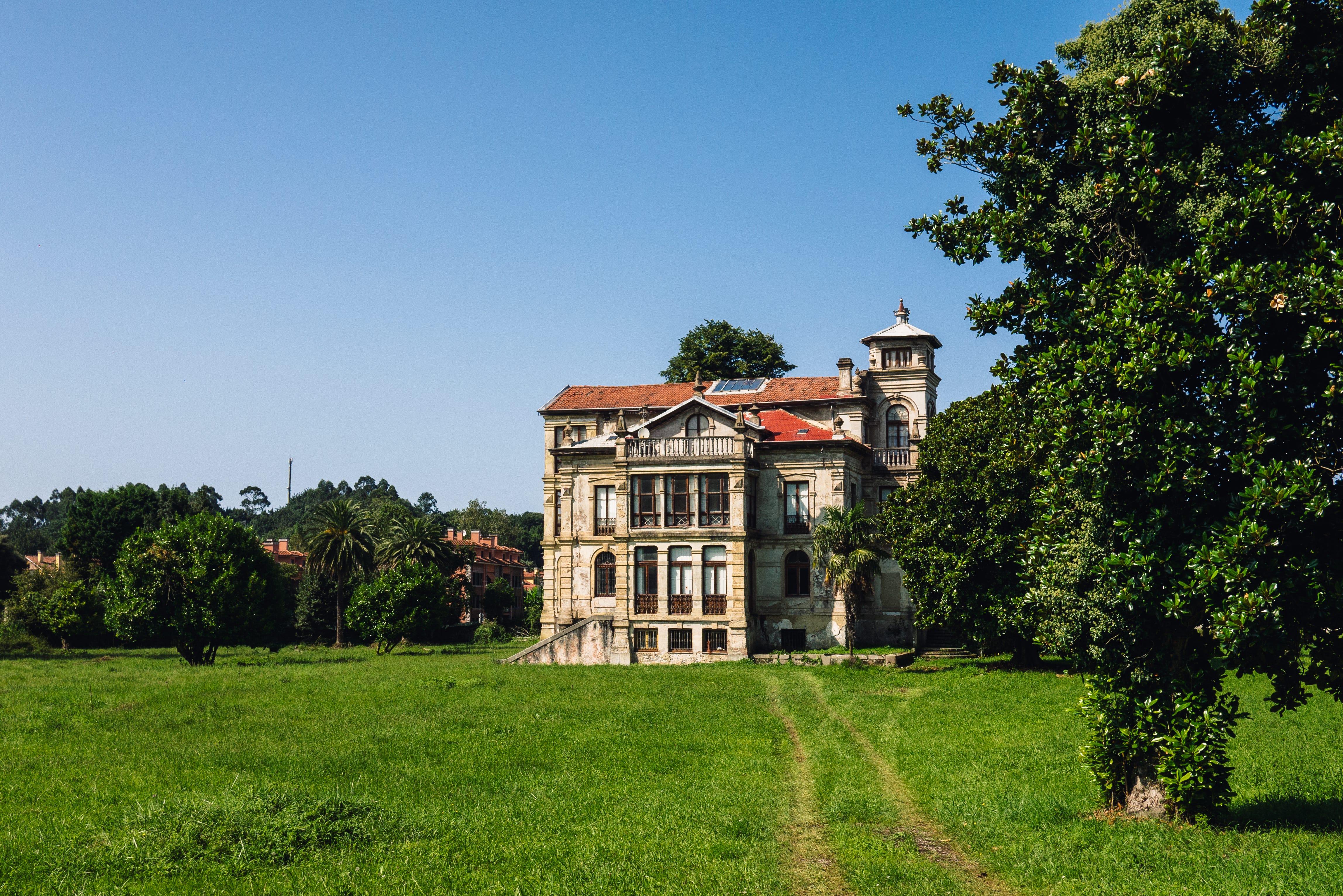
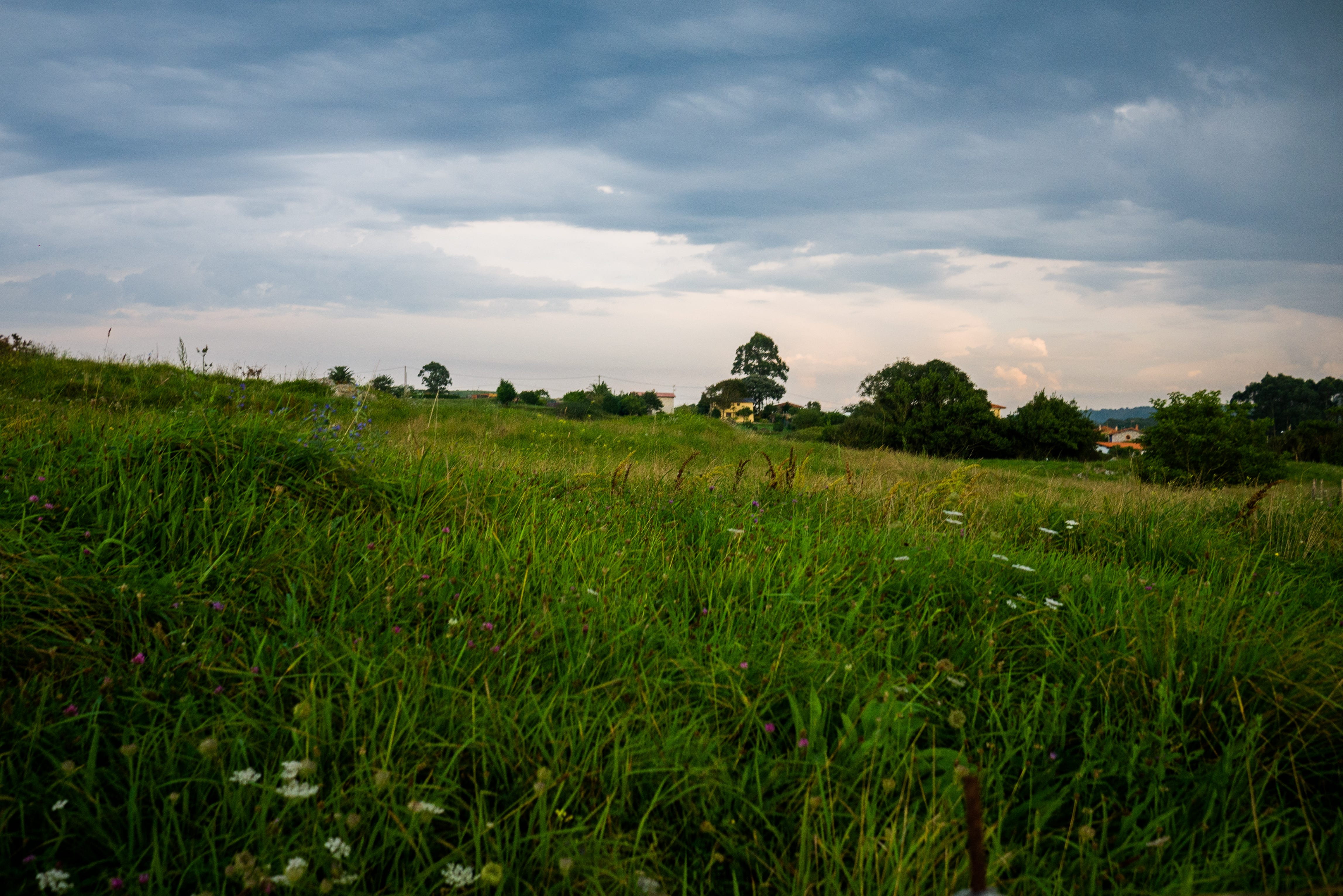
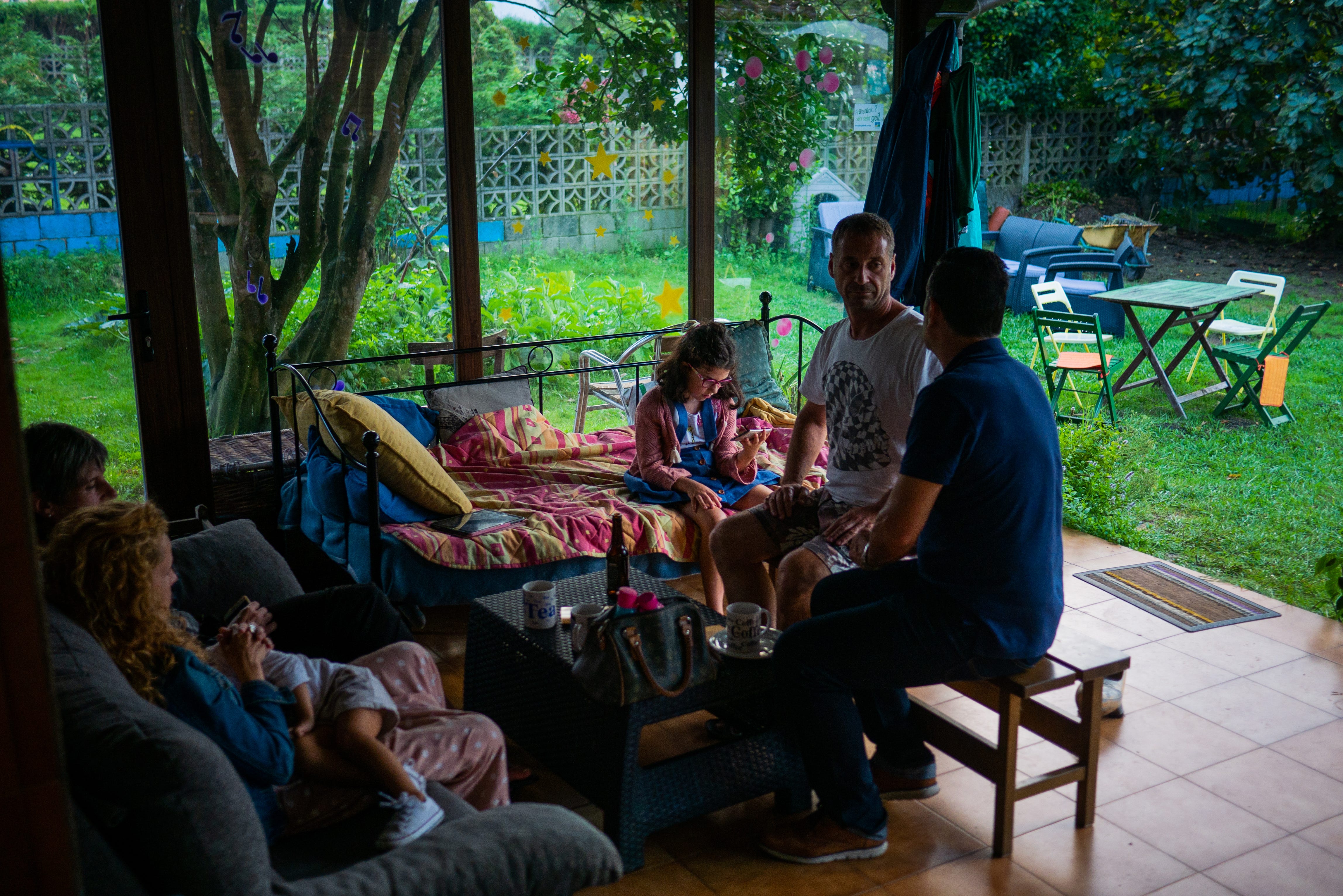
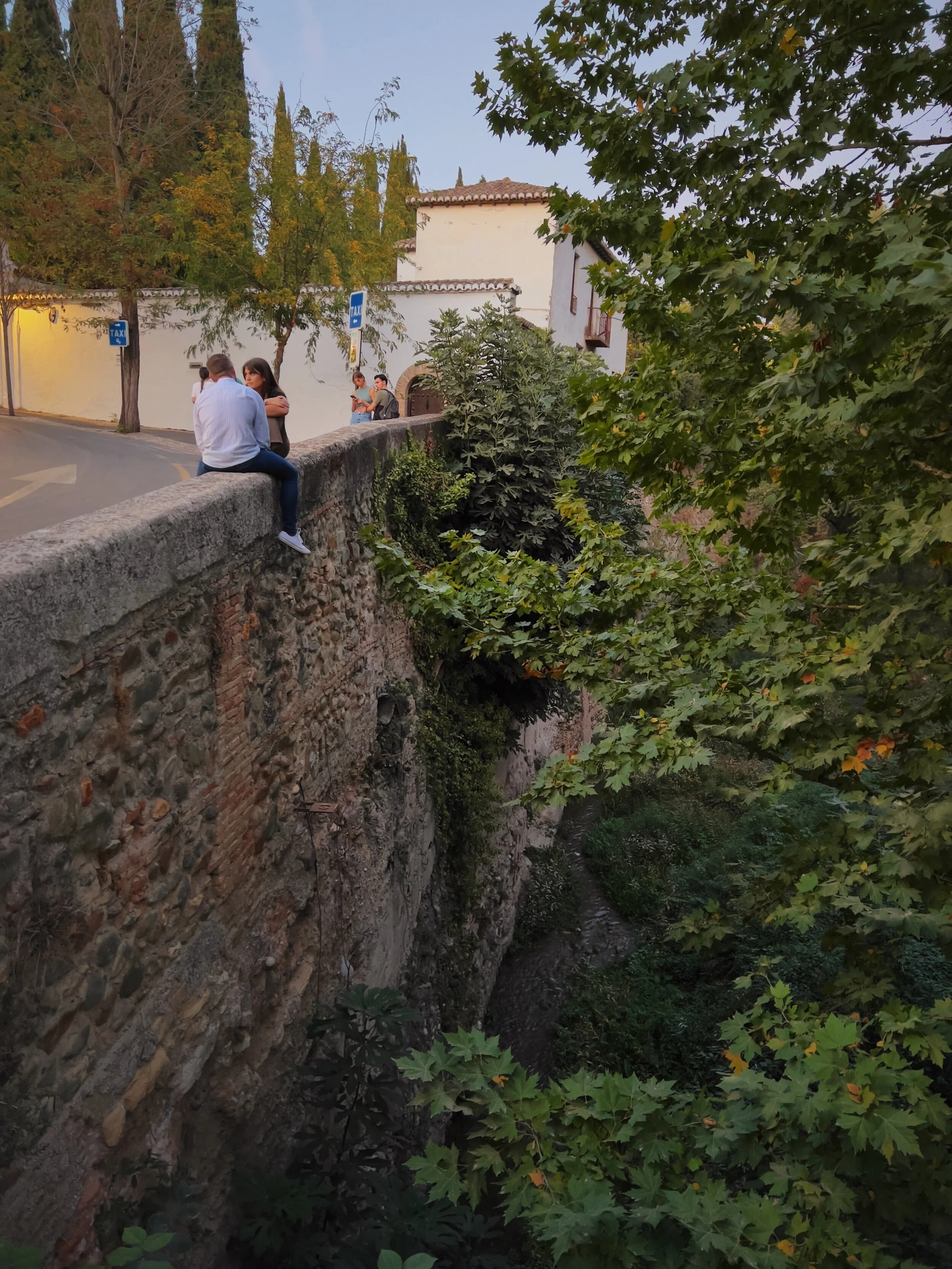
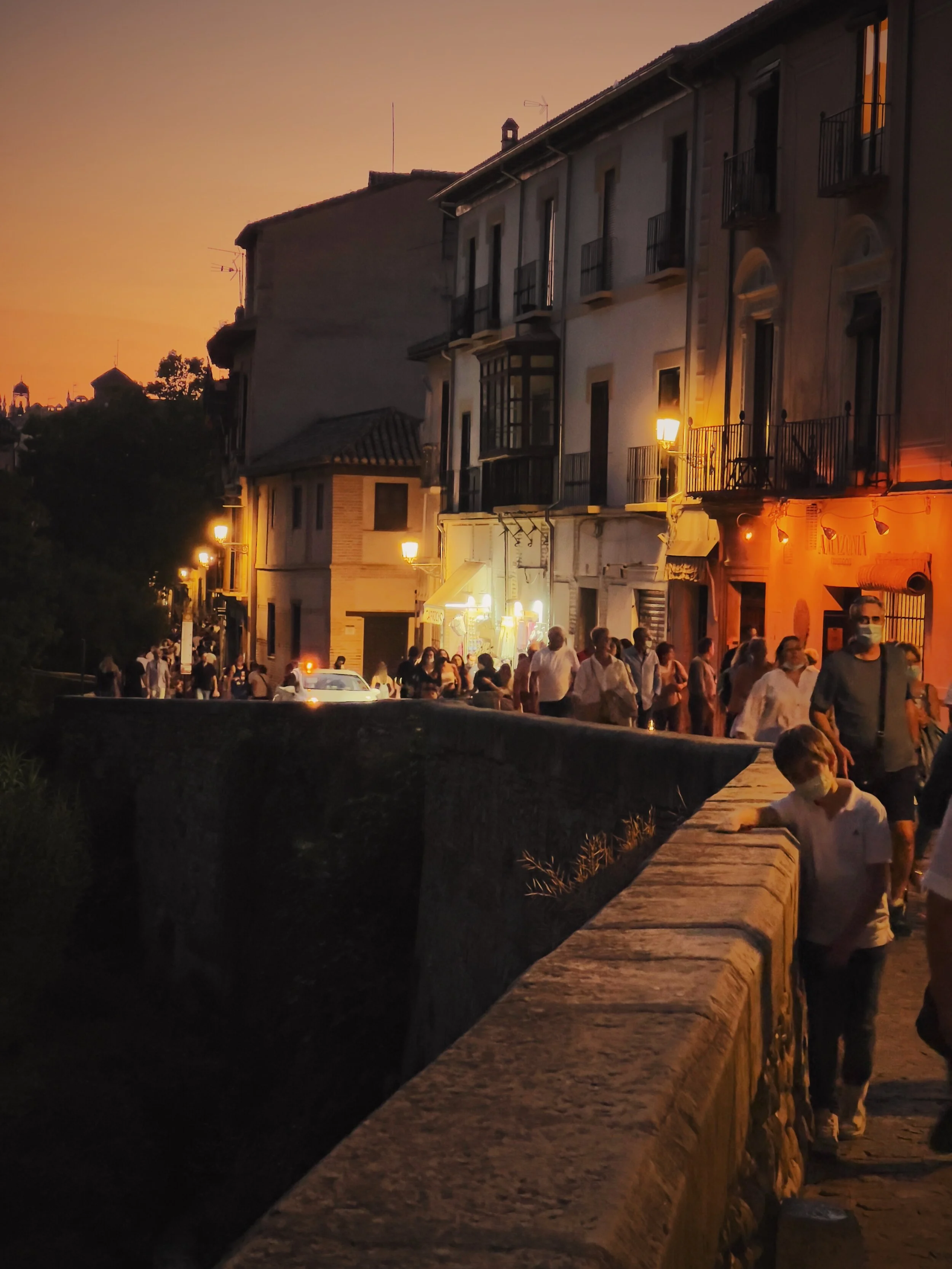
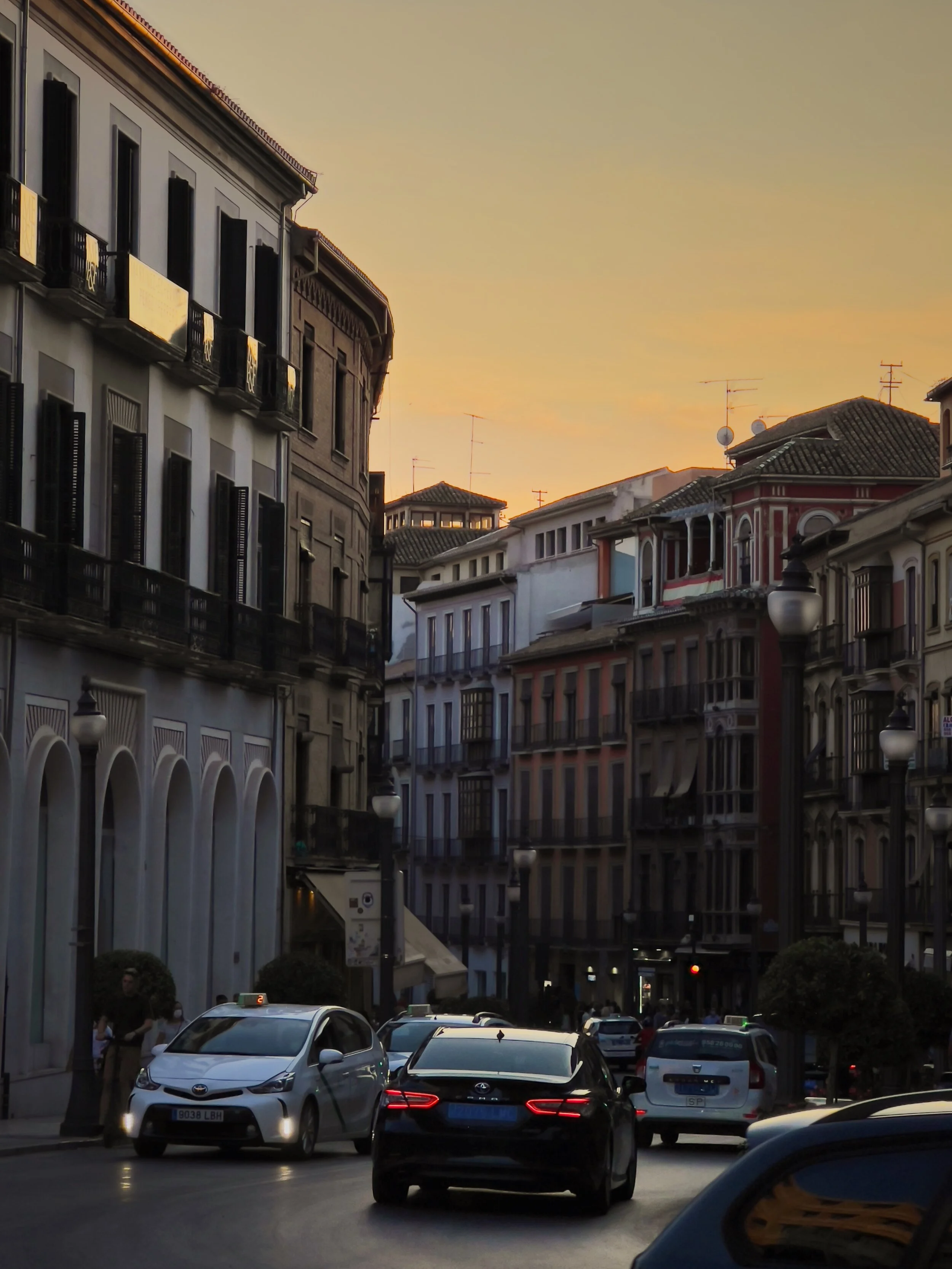
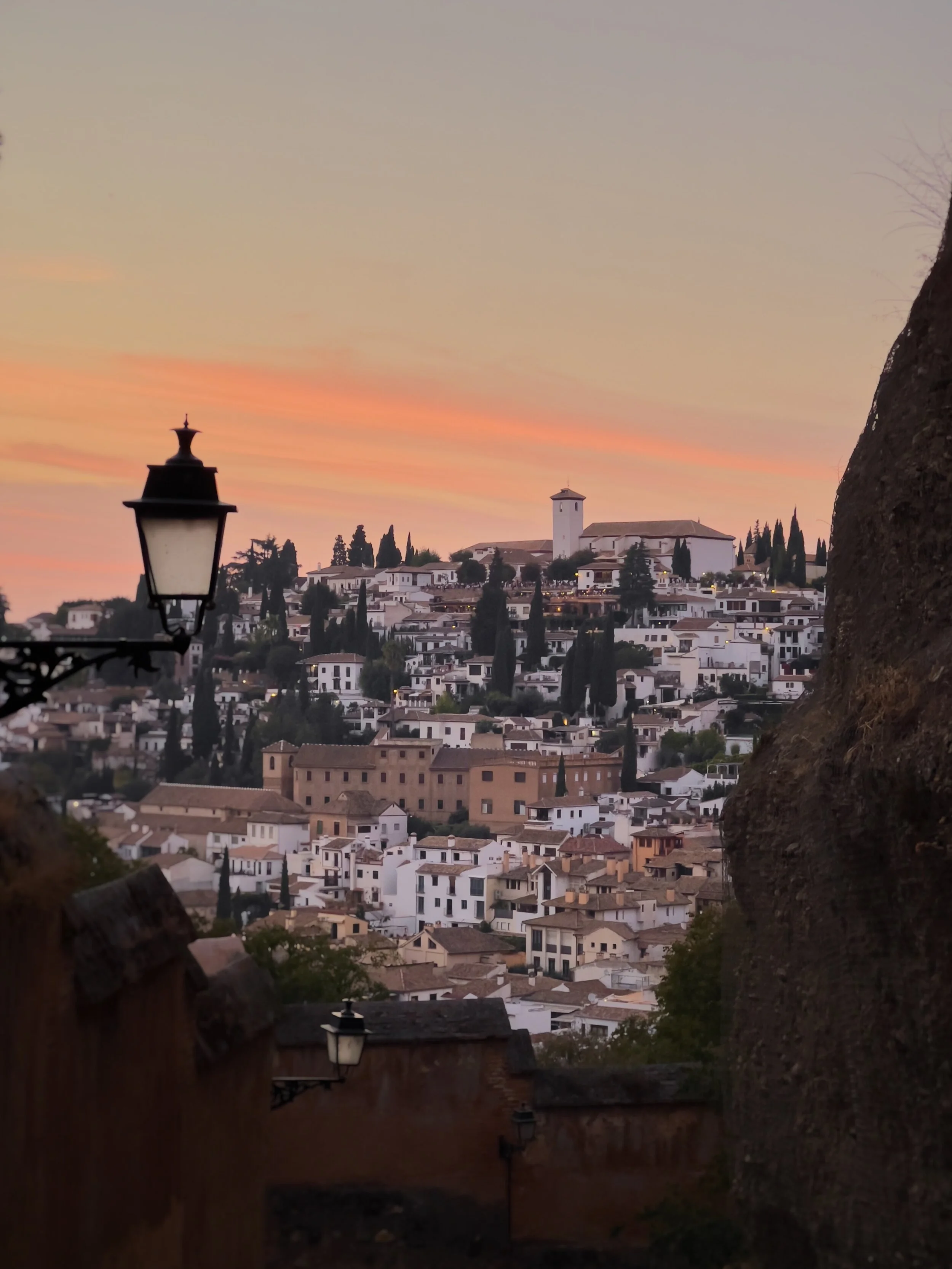
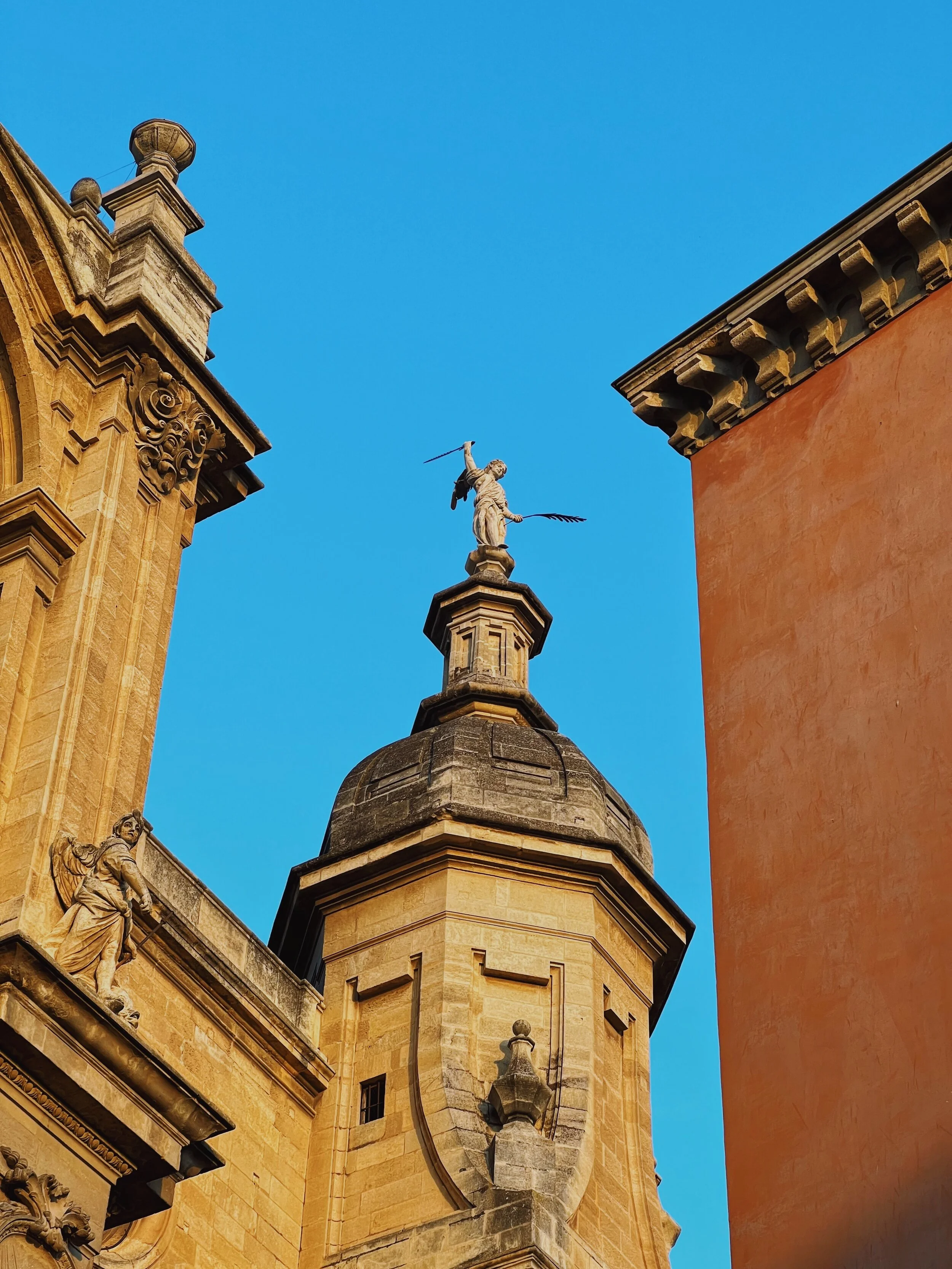
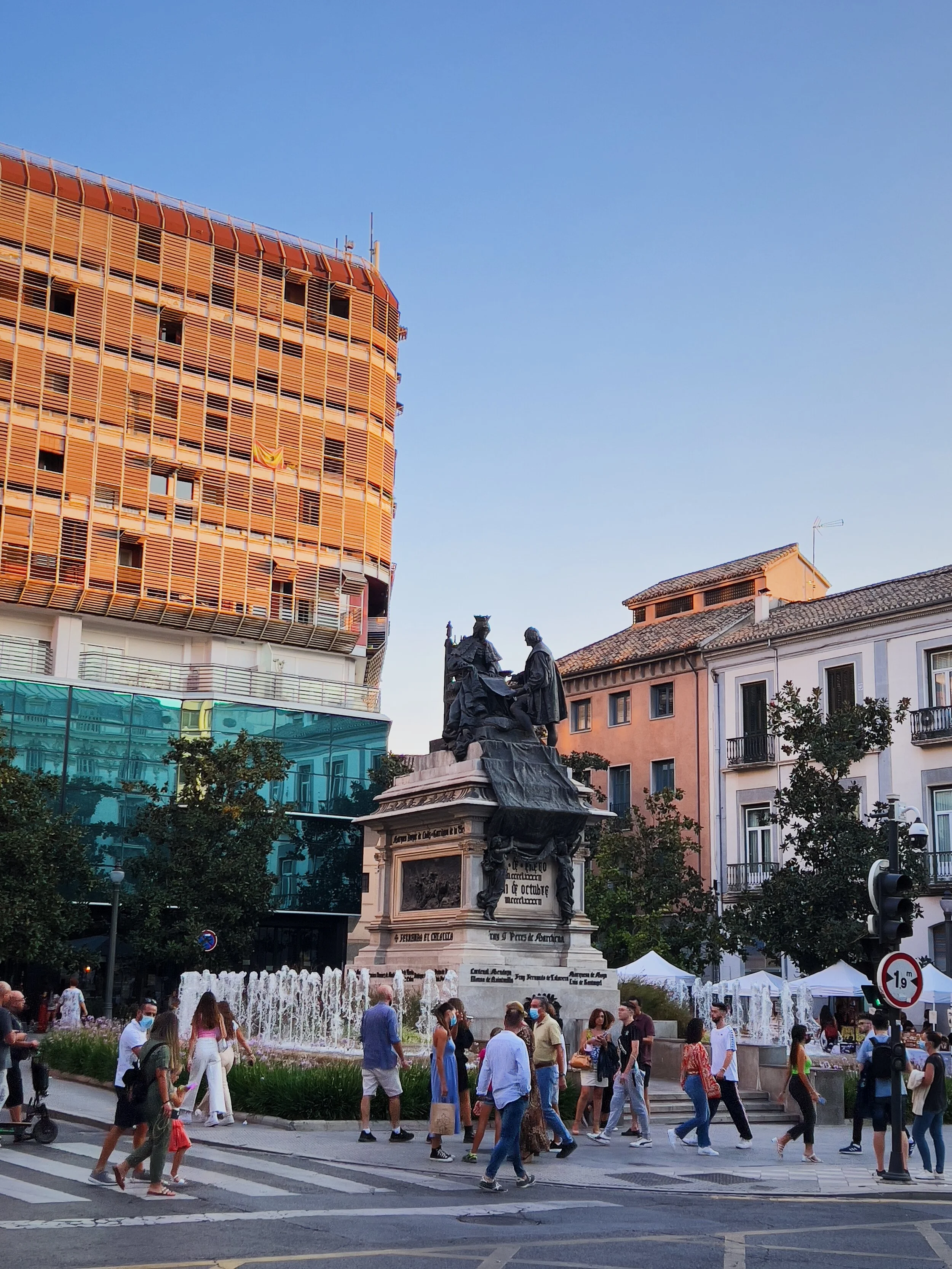
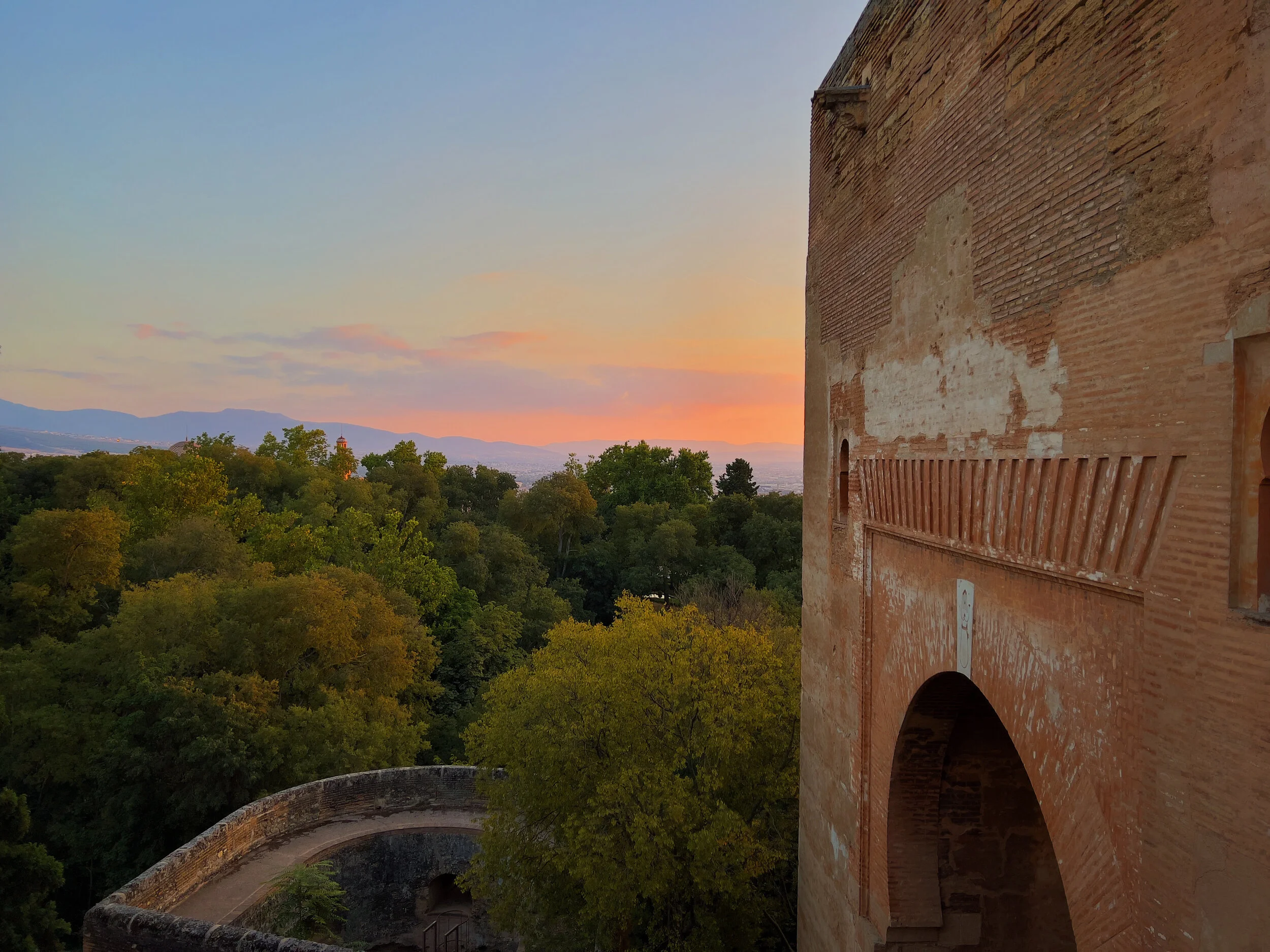
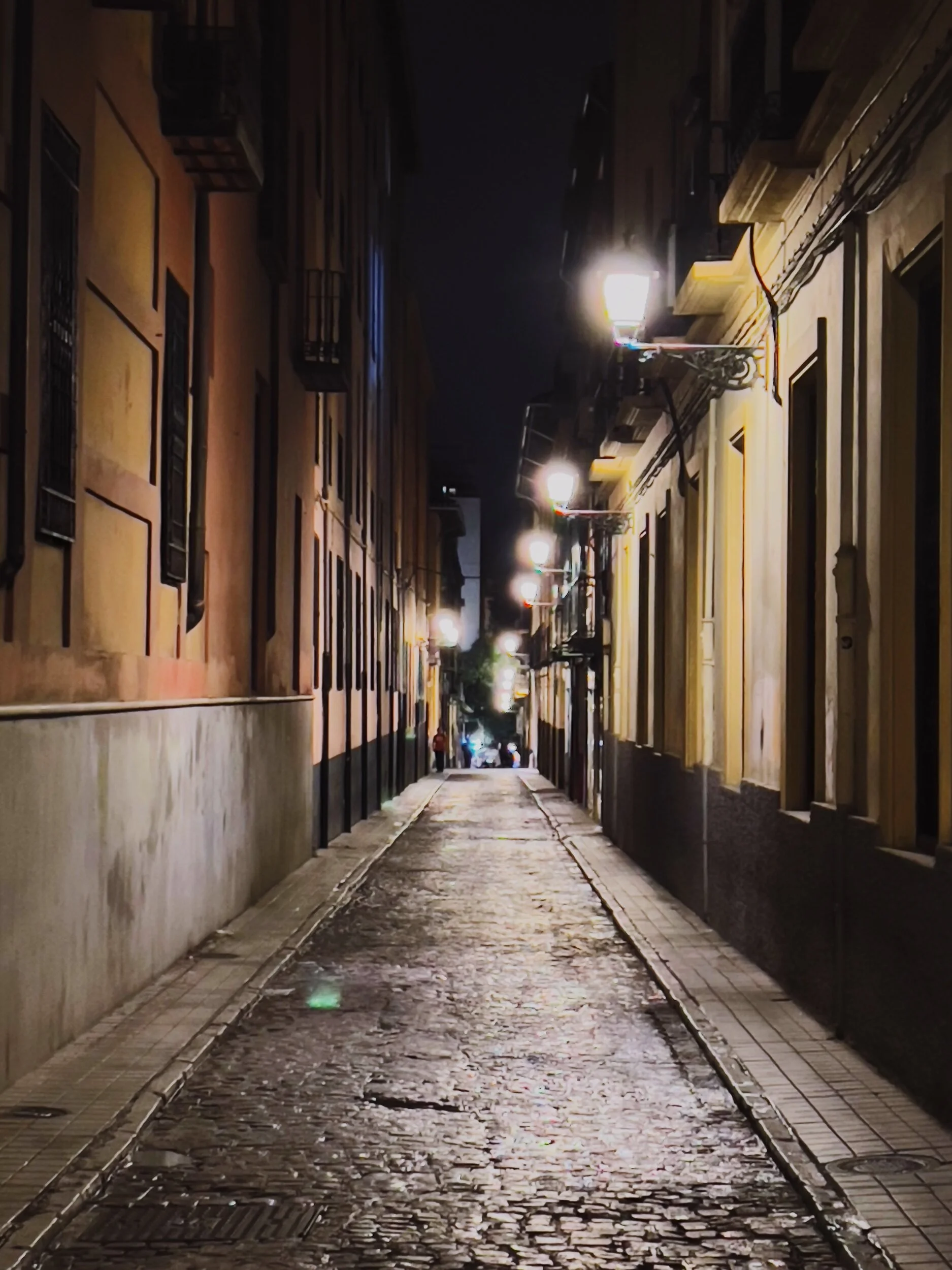
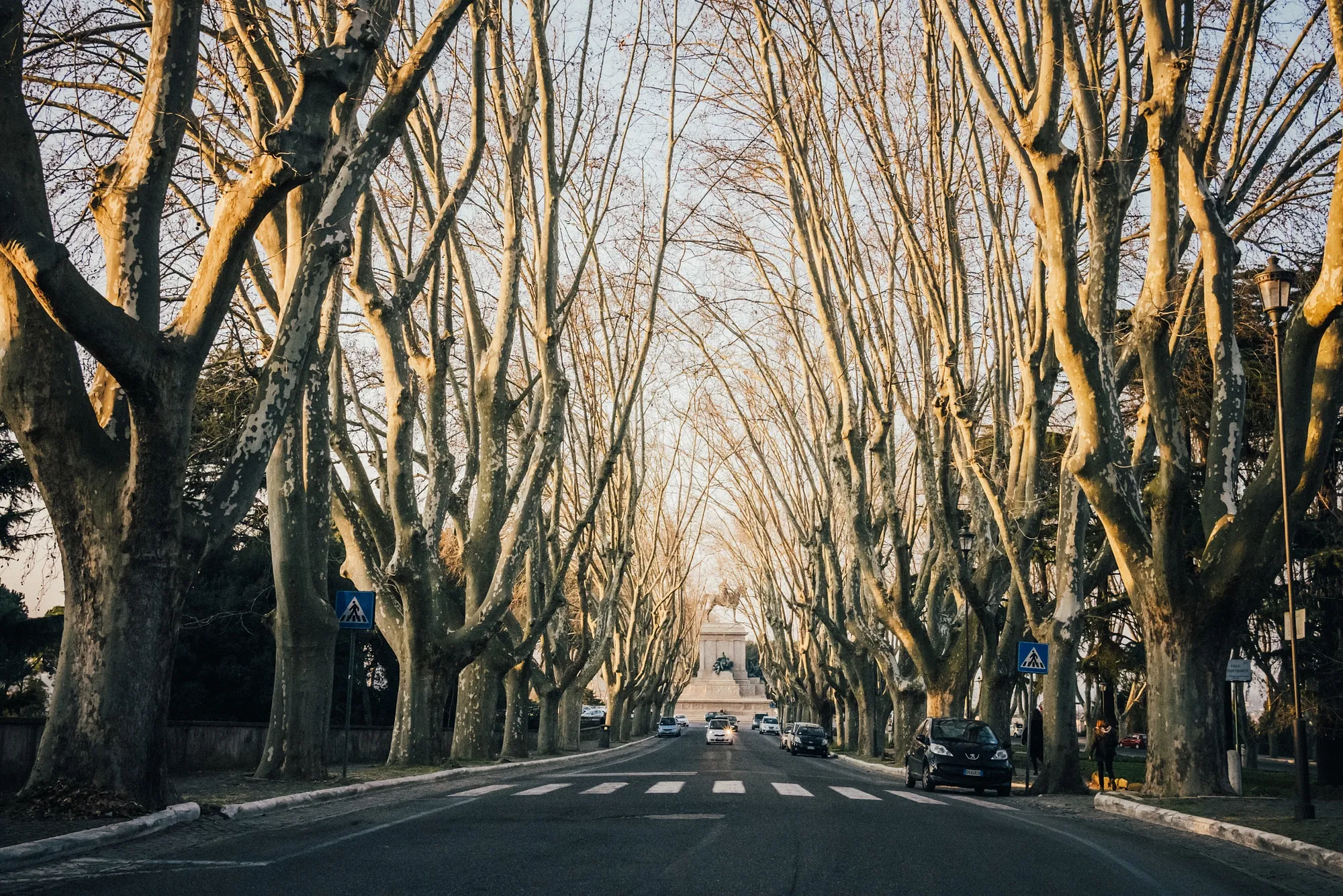
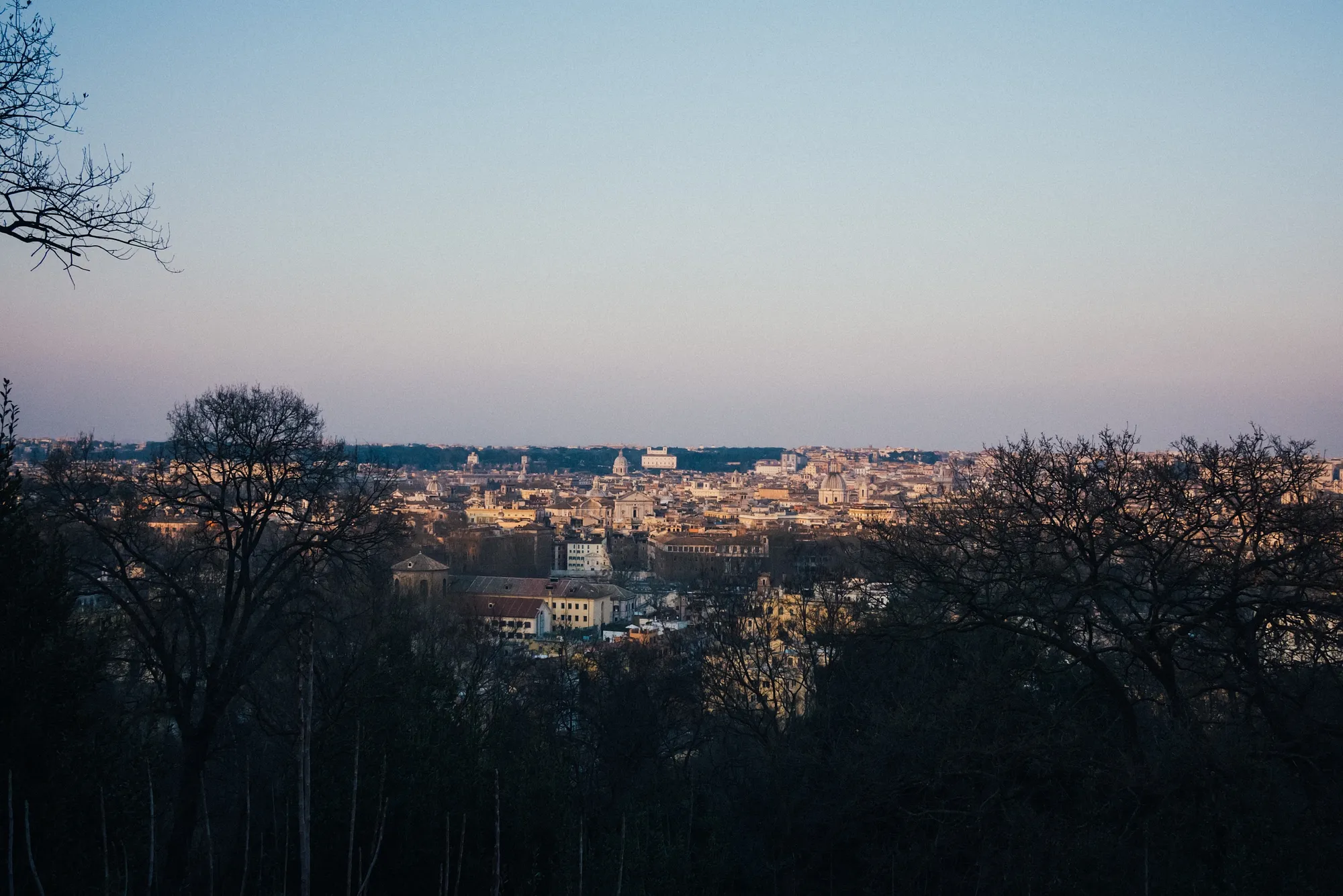
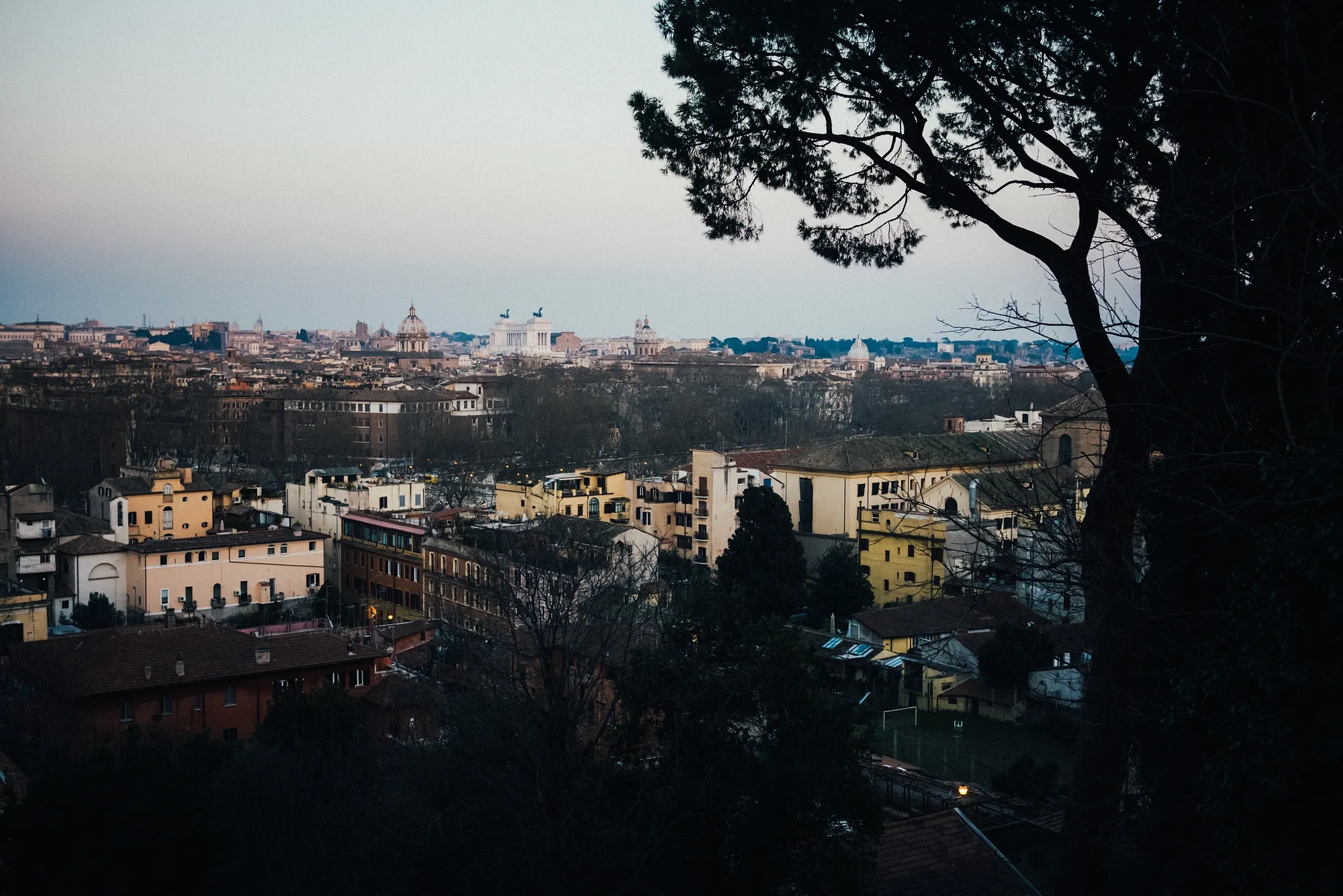
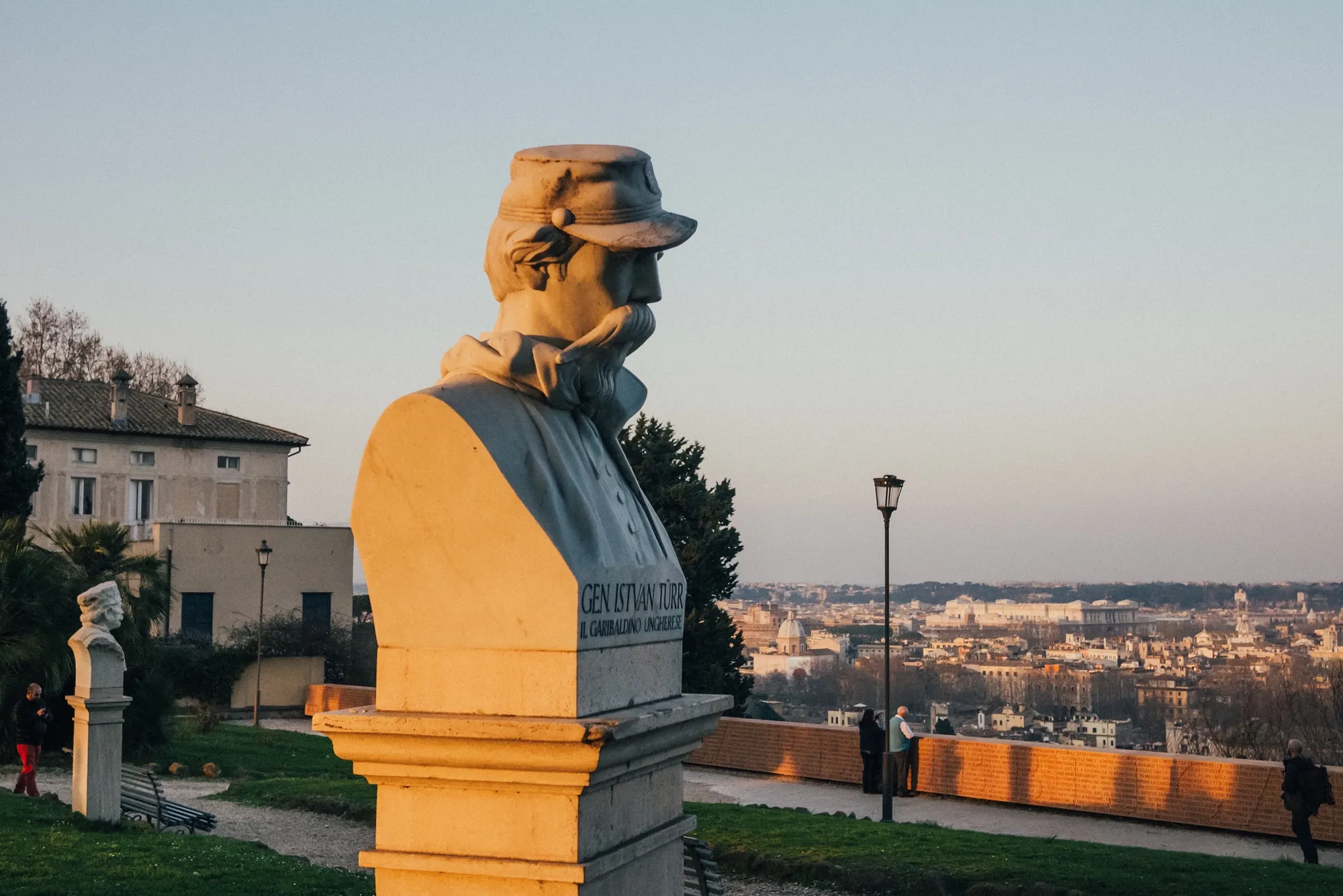
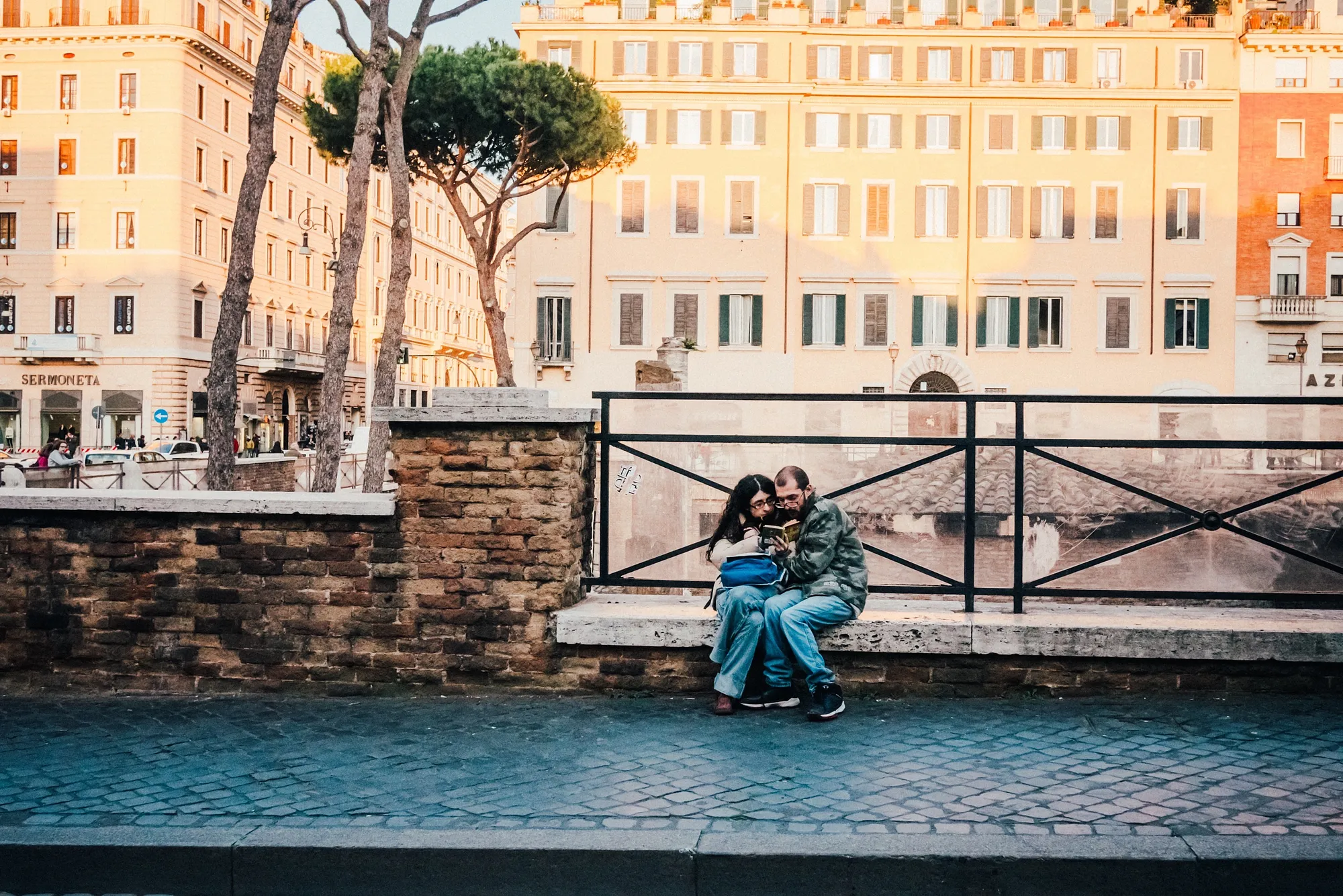
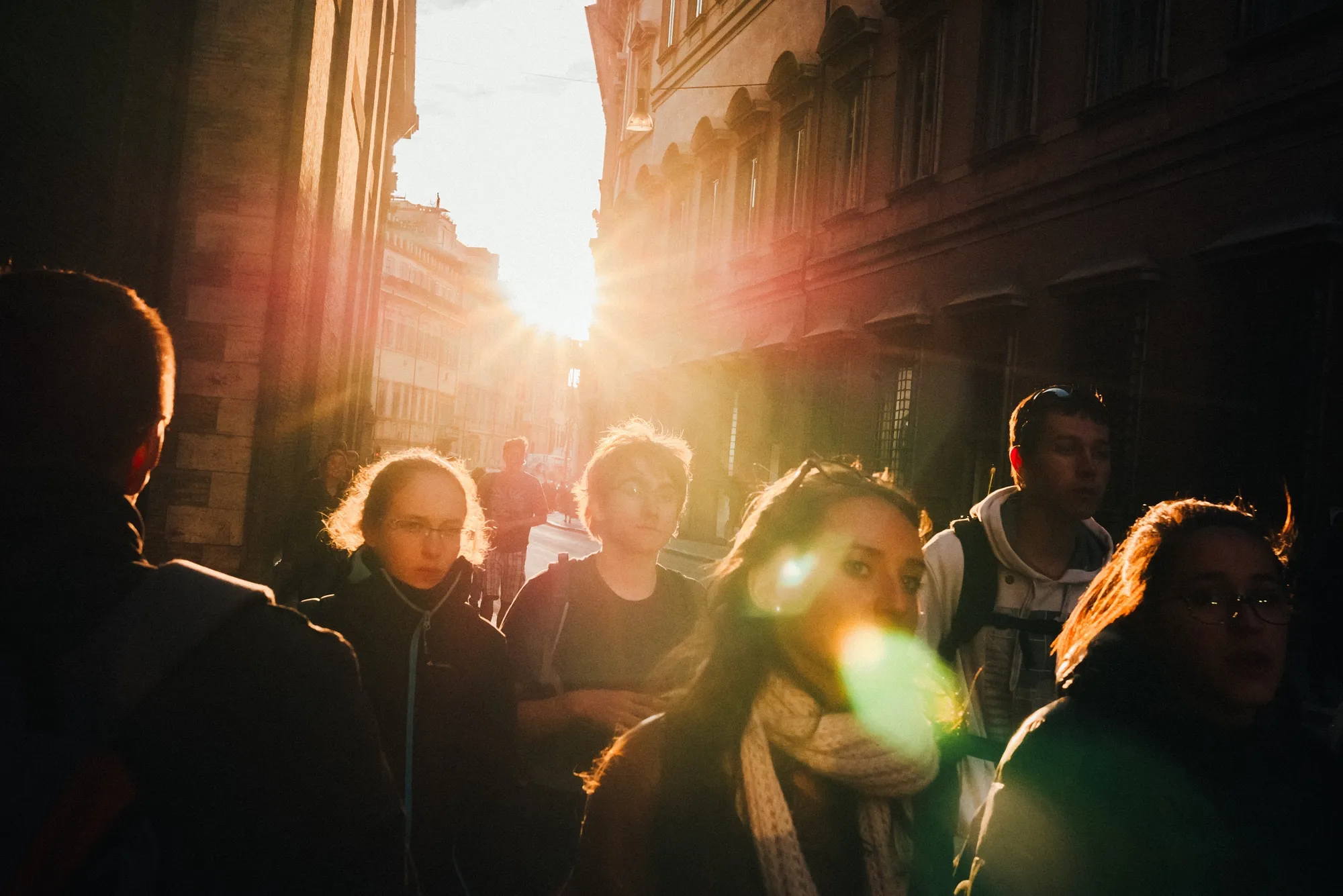
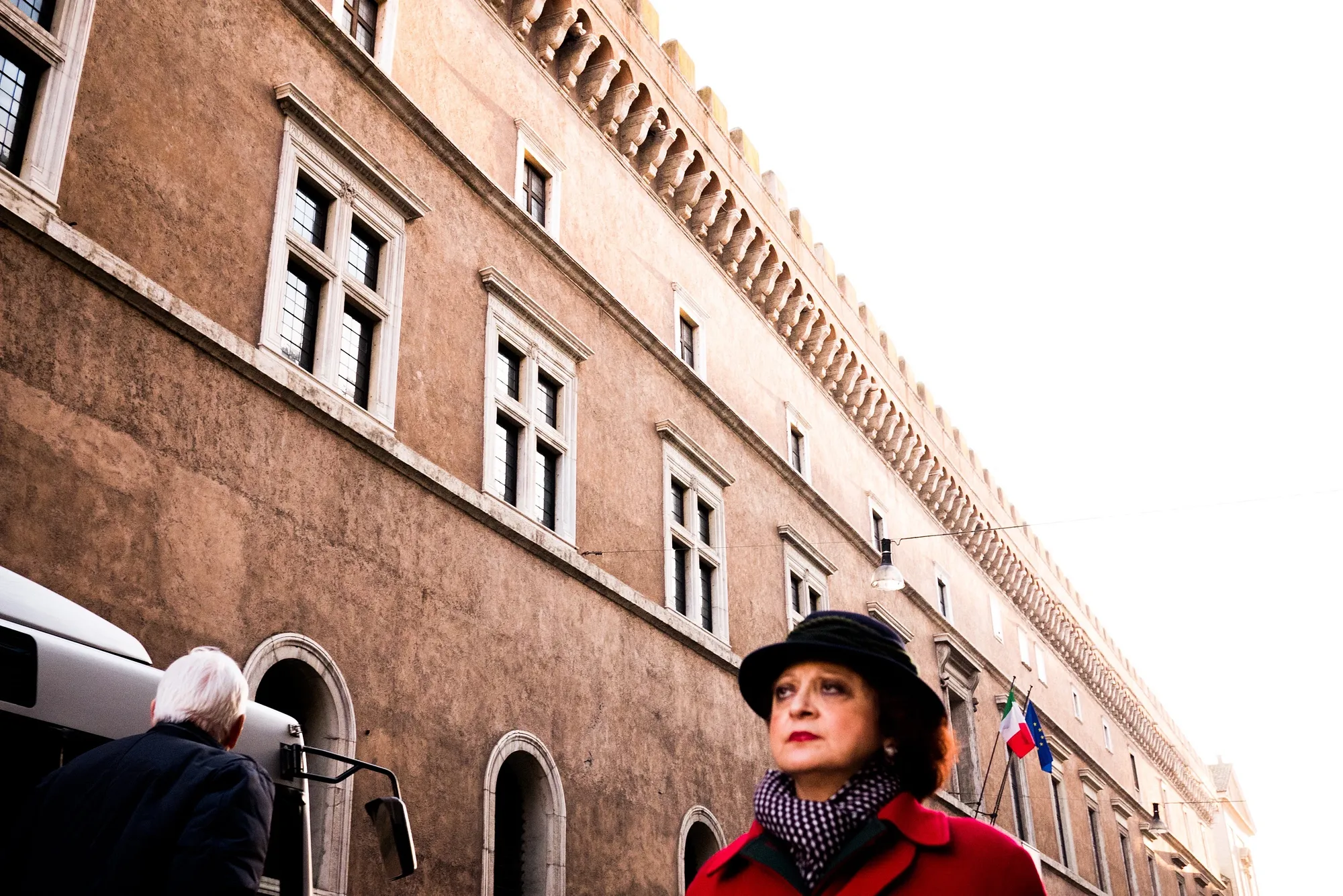
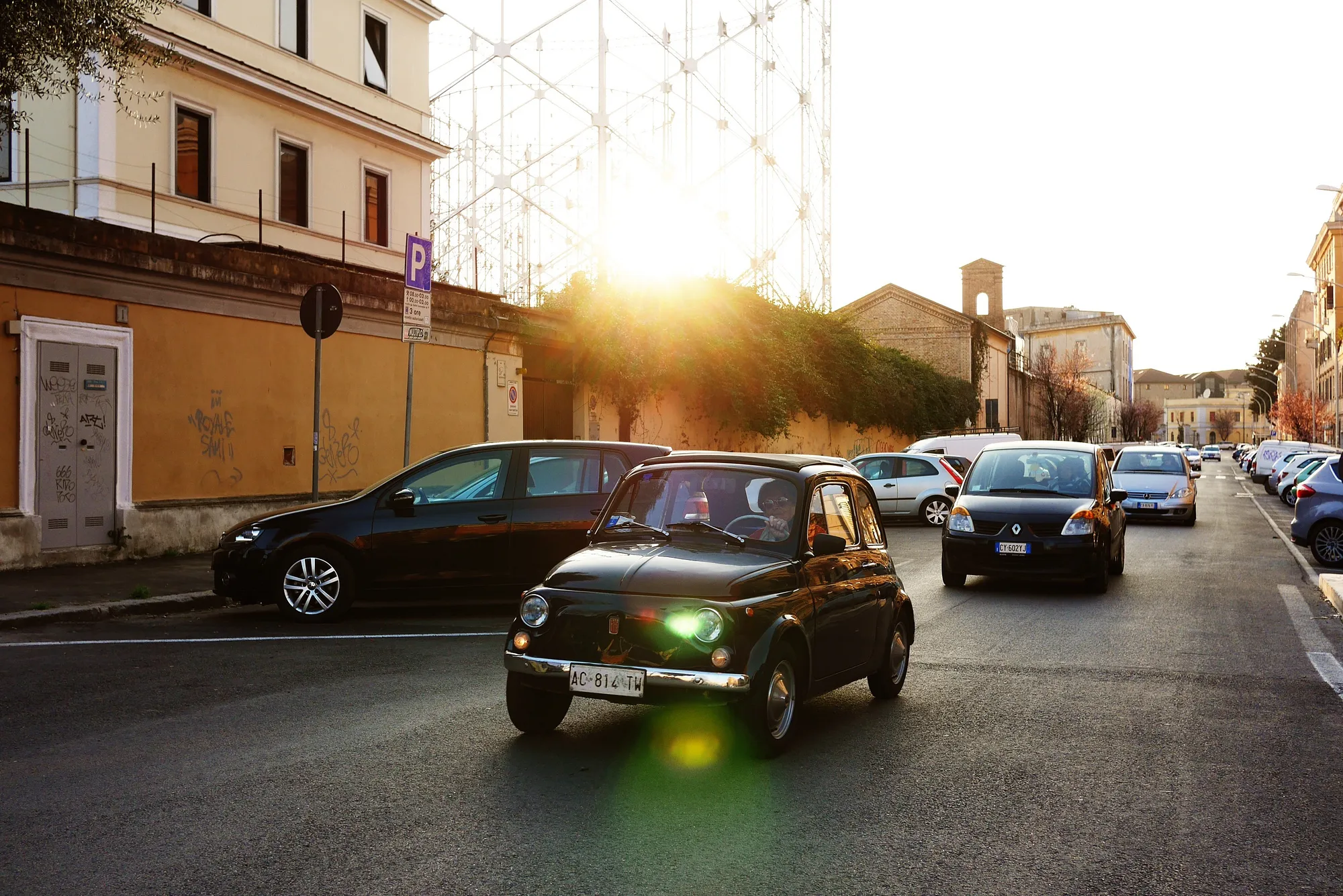
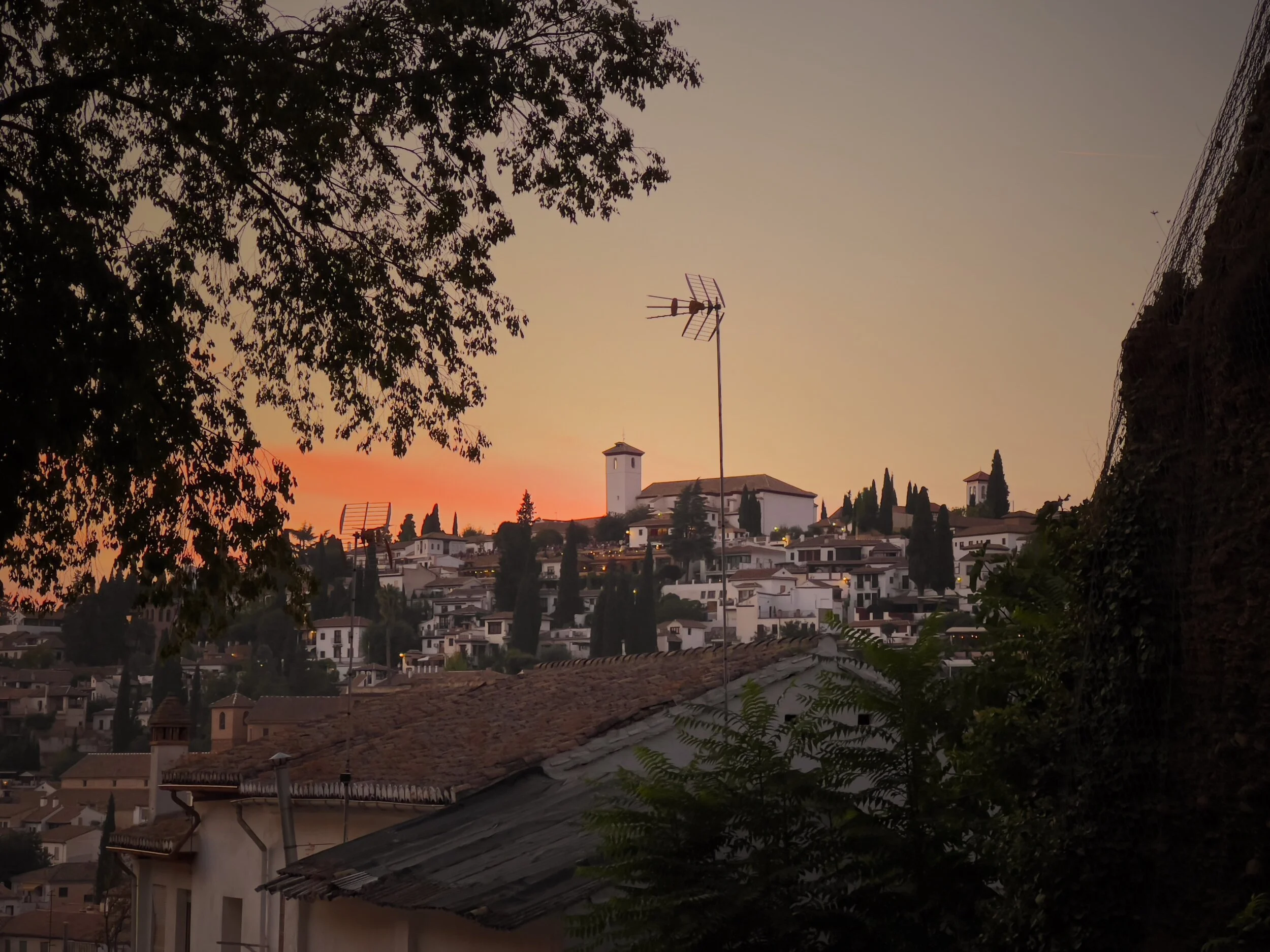
I went for a walk in Granada, Spain, with the new iPhone 13 Pro, released last week, and shot all the pictures using the Apple ProRAW format to see how far digital photography is now compared to DSLR cameras. I also used the VSCO app for adjusting the color, brightness, and other parameters.

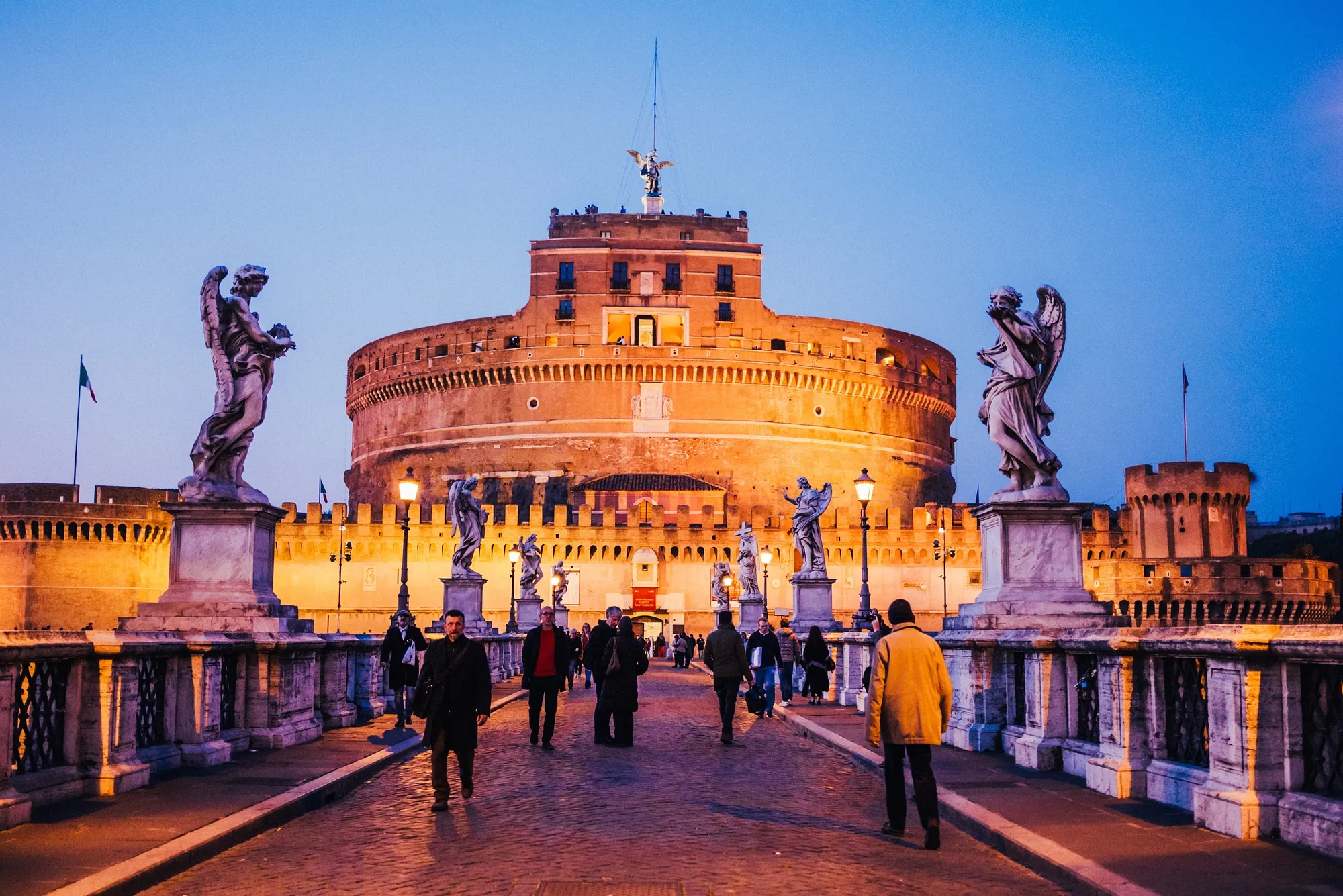
The new x3 optical zoom, equivalent to a 77mm is a game changer for documentary photographyThe new x3 optical zoom, equivalent to a 77mm is a game changer for documentary photography

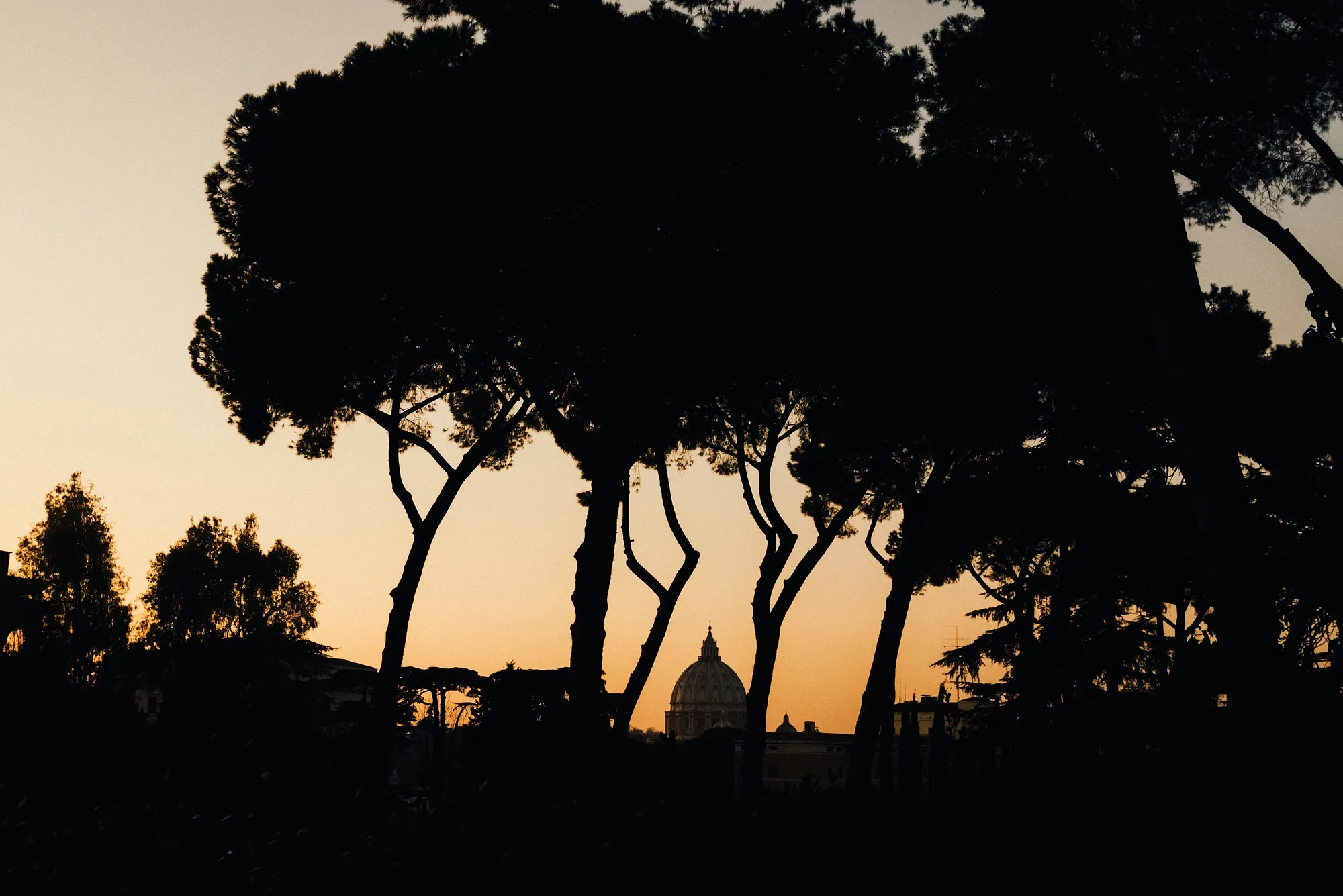
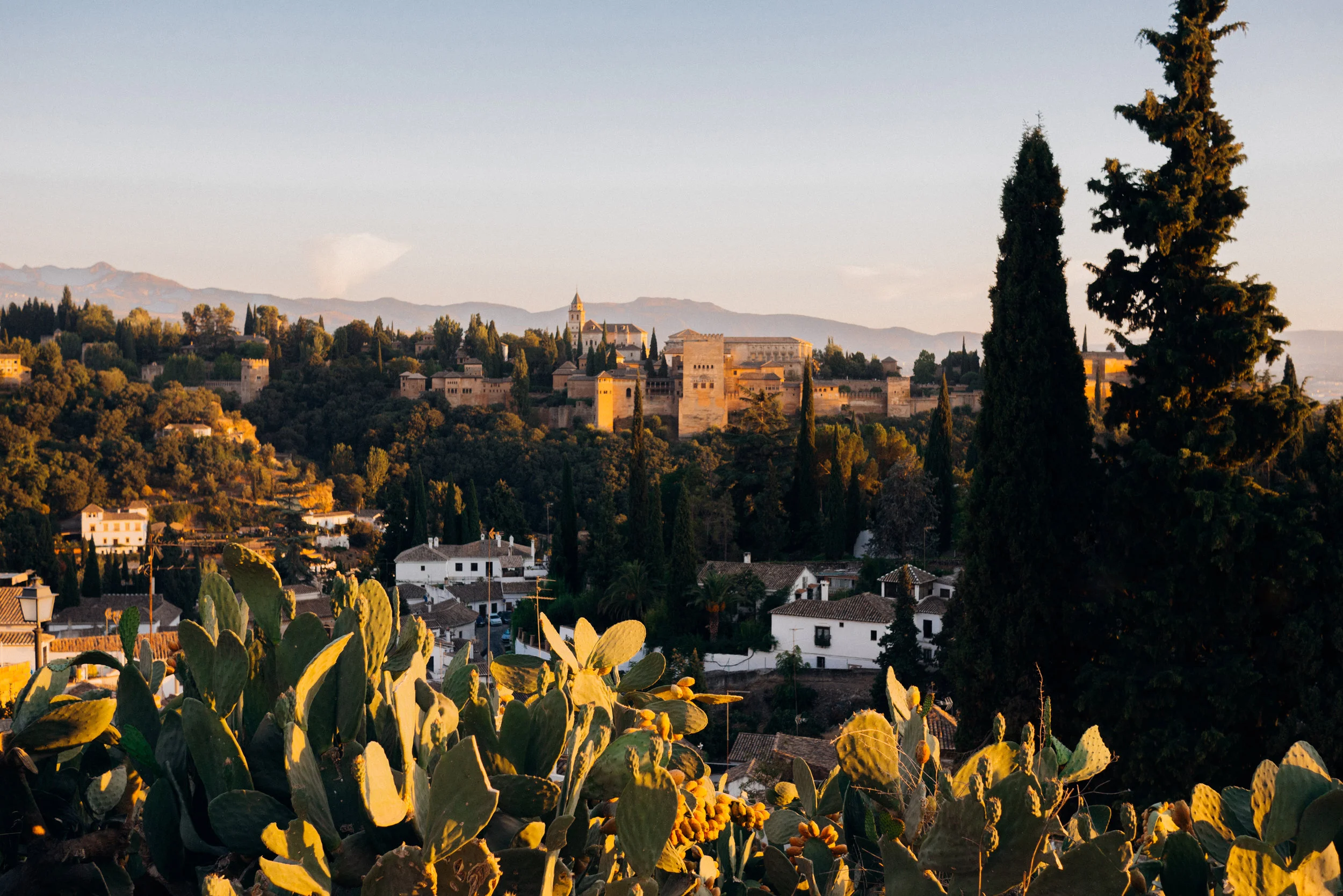
The forest of the Alhambra in my hometown is one of the most magical places in the world. These lights during the sunset between the trees and the ancient castle are so delicate and always difficult to capture.The forest of the Alhambra in my hometown is one of the most magical places in the world. These lights during the sunset between the trees and the ancient castle are so delicate and always difficult to capture.

I have to say, I am pretty amazed by the results, after using an iPhone XS for the past 3 years. The major improvements with respect to my previous iPhone are:

  • The 3X optical zoom. Most of my best street photography pictures with my DSLR are taken with 24-105mm lenses. The 3X optical zoom is equivalent to a 77mm lens. I found myself using it all the time to bring elements closer in city landscapes. Like cars and trees with buildings.
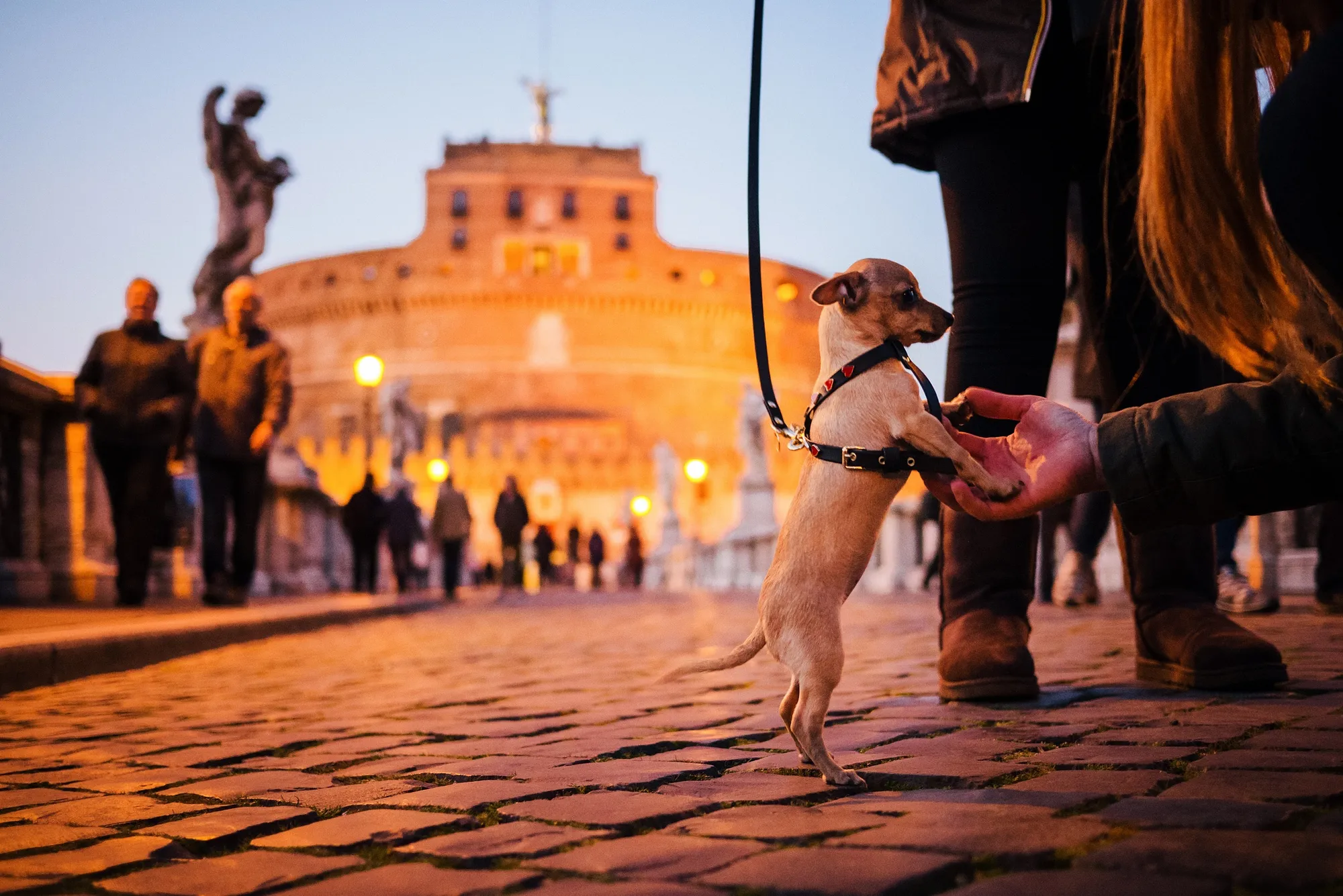
  • The new 0.5X wide-angle lens, equivalent to 13mm, is also handy for some types of images you can really magnify a person, animal, or element to respect their surroundings.

Processed with VSCO with al5 preset Processed with VSCO with lv03 preset

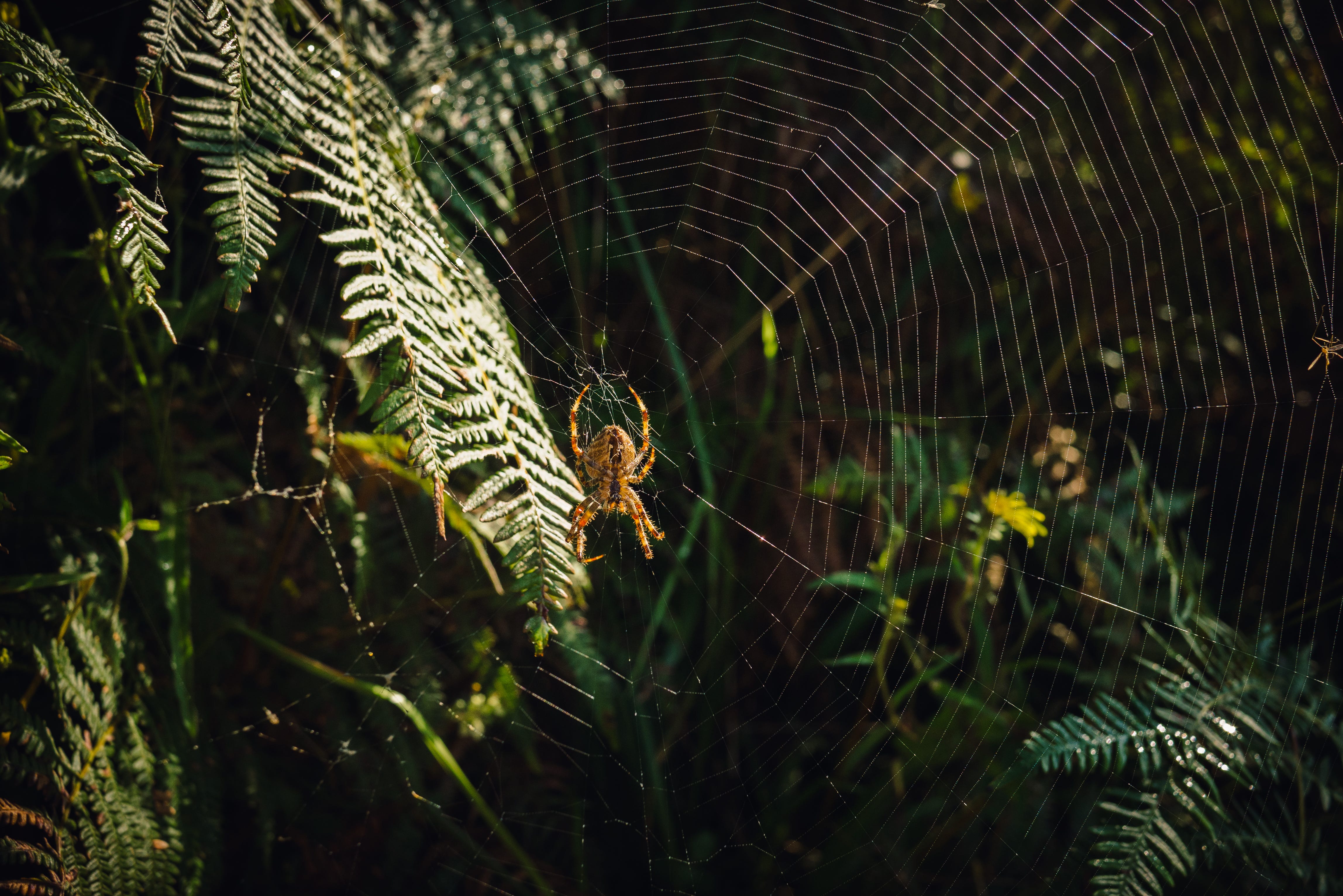
There is also a new macro lens that is amazing too, but I’ll probably use it only from time to time to capture insects, leaves, and other beautiful stuff, but definitely not my primary focus on taking pictures. I feel like it’s difficult to be original with macro photography and small creatures are pretty similar… 😂

But one of my biggest and unexpected surprises has been the new Apple ProRAW format. It was introduced at the end of last year for the iPhone 12. After testing it using VSCO I am really happy with how much control I get on the highlights and shadows, pretty similar to the experience with Adobe Camera RAW and the RAW files from my DSLRs Canon and Sony. As you can see in the images above and below the dynamic range in this difficult light situation is astonishing 🤯 . Read the Austin Mann review to learn more about the video capabilities.

Processed with VSCO with lv03 preset Processed with VSCO with lv03 preset

IMG_8539.jpg IMG_8530.jpg

Processed with VSCO with lv03 preset IMG_8574.jpg

Portrait mode on Street photography, lovely bokeh IMG_8528.jpg

The portrait mode was already on my previous iPhone but on the 13 is even faster and makes possible to use with people or animals moving which is great for street photography. That bokeh is crucial for isolating the subjects around their context and what still make DSLR quite unique. The main drawback is that you can’t do it with any object more than 2 meters away and don’t support the Apple ProRAW form yet. Still not perfect but getting there year after year.

0.5x ddd F7CEE415-3D28-4CC6-8953-B471C13D28C1.jpeg IMG_8795.jpeg

4 days undercover on the Camino de Santiago

Plan to spend a few days walking between Santander and Oviedo chasing pilgrims. Leaving from Madrid and spending little.

This French man we crossed paths with was a pro pilgrim.
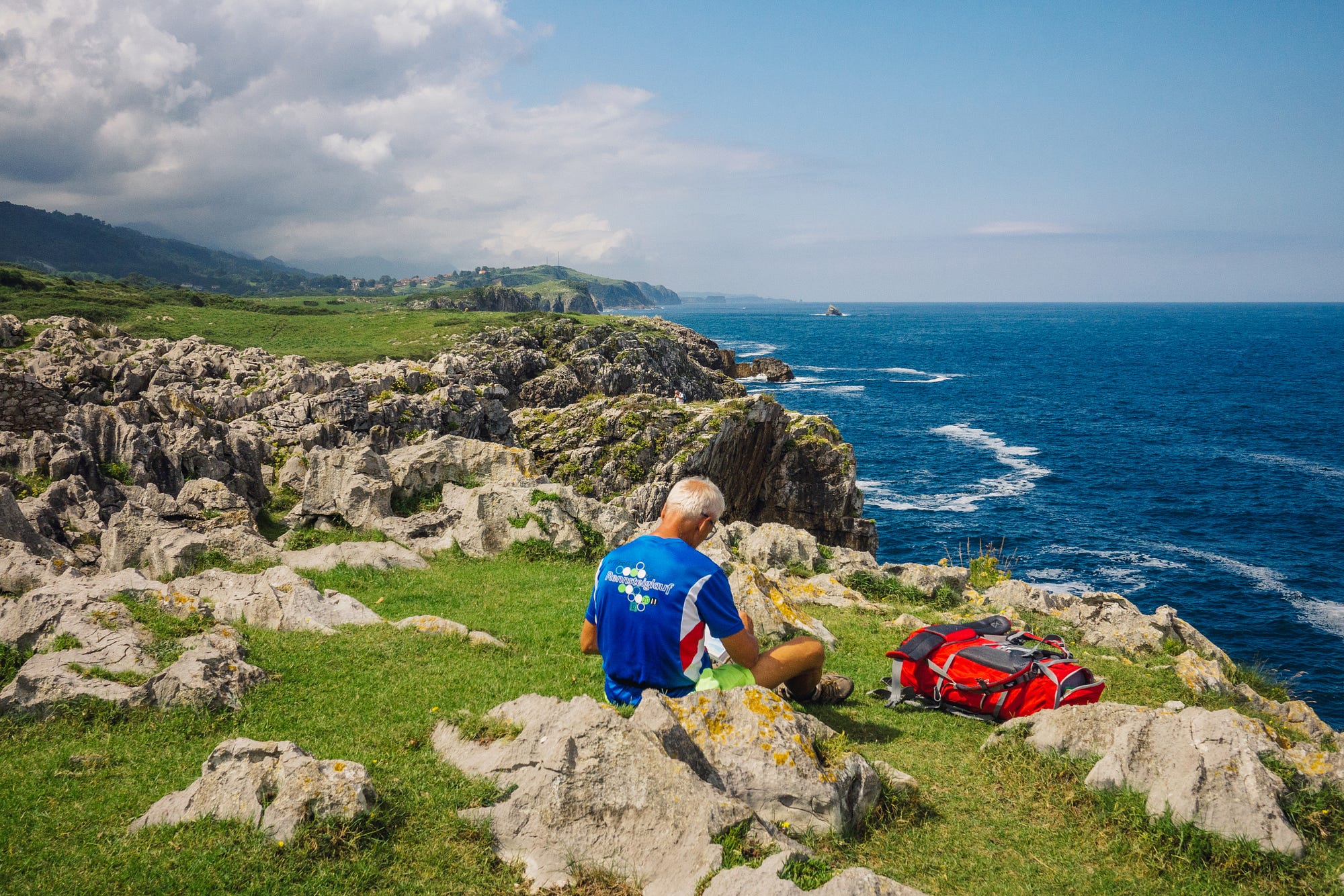
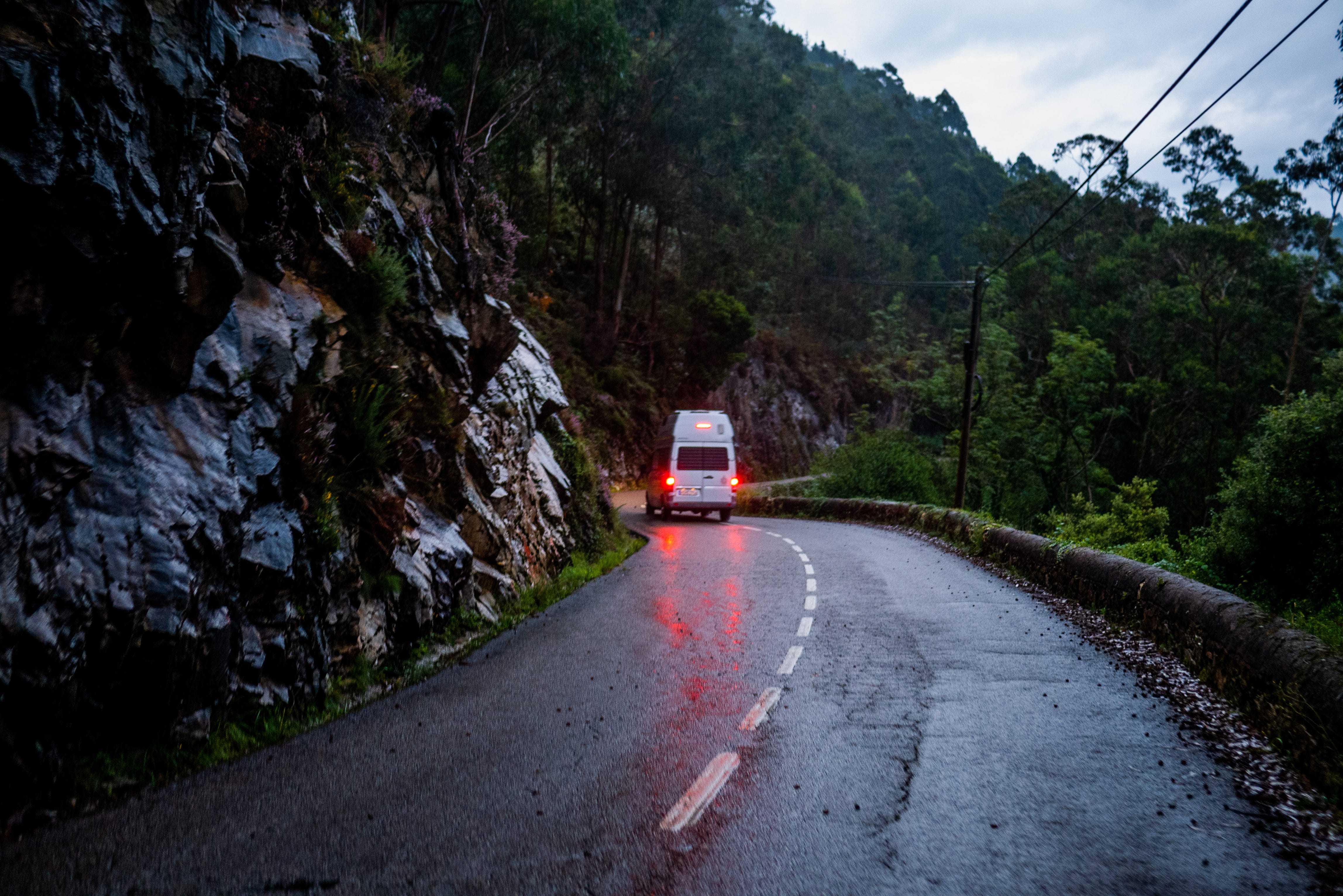
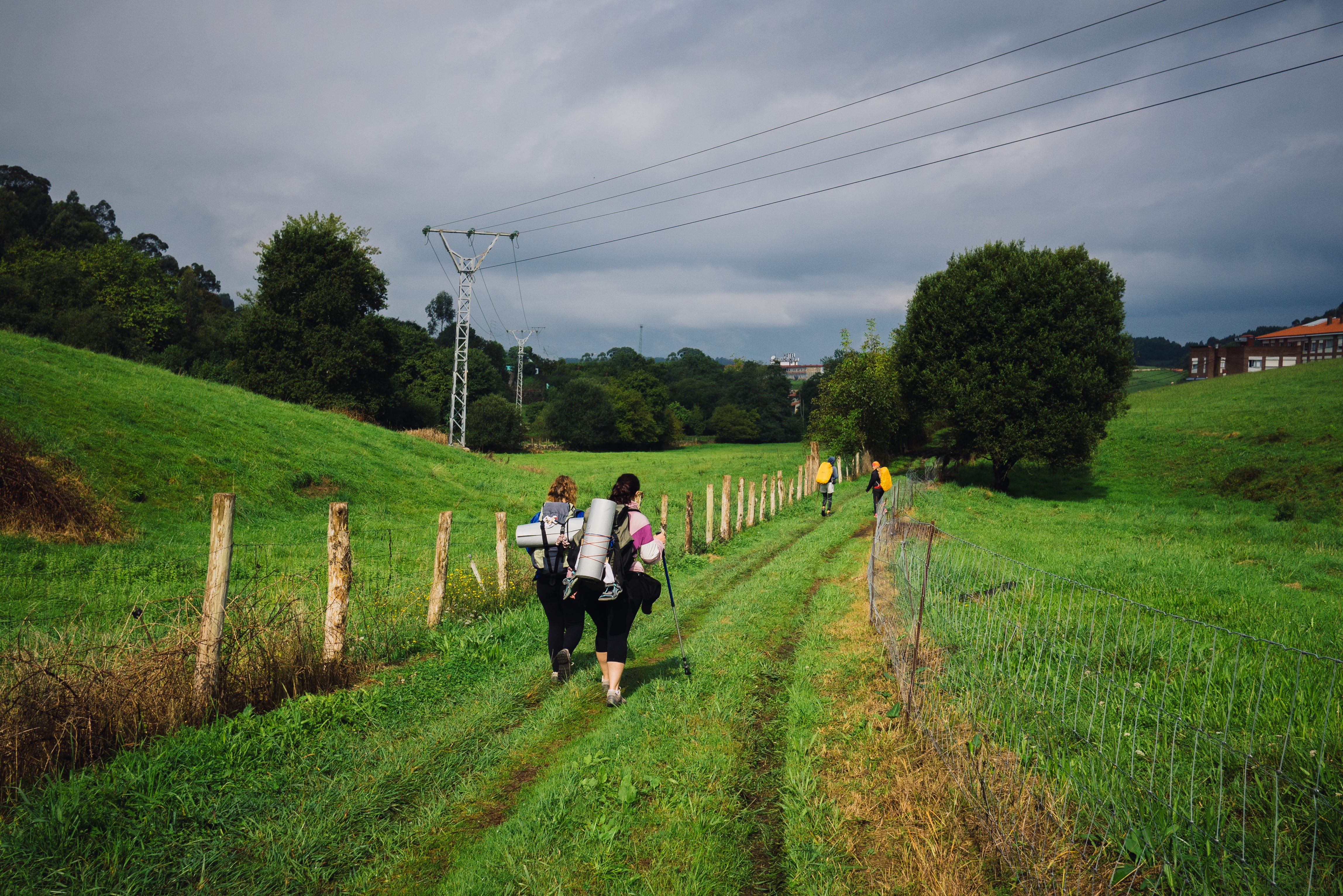
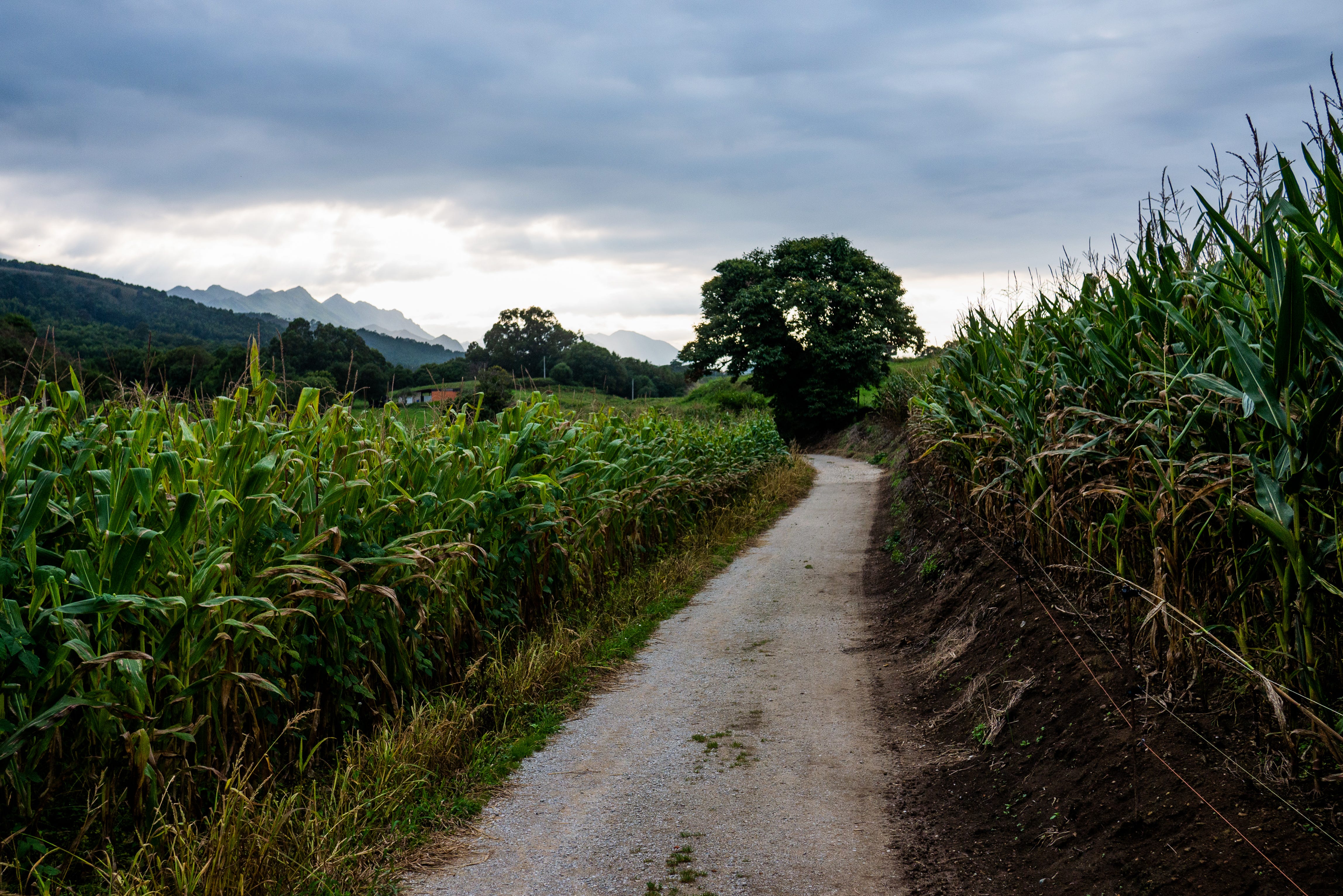
Someday I would like to reach Santiago de Compostela with lots of blisters on my feet, but this year I did not have enough free days for such a long walk. Still, I wanted to escape Madrid a few days before summer ended and walk through green landscapes with friends. Googling and asking around, especially my cousin Amancio, I designed a 4 day plan along the Northern Way, which worked quite well. Here is a summary for the caged people of Madrid who ask me.

There are about 200Km between Santander and Oviedo. The normal thing is to walk between 15 and 20K a day, so it would take you more than 10 days. The idea of picking these two cities is because both capitals connect by direct train to Madrid. They also connect to each other by Feve, a cheap local train that stops in almost every town between the two cities. This allows all the flexibility in the world to adapt the route to your mood as you go. It also gives you a simple escape plan if something unexpected happens.

You could also start in the Basque Country instead of Cantabria. But the Cantabrian section usually goes closer to the coast. I really wanted to see the sea, because there is no sea in Madrid, damn it.

Day 1 / Madrid -> Santander -> Unquera

13km walking

There is a train that leaves Madrid at 8 in the morning and arrives in Santander at 13:44h. If you buy it a couple of weeks in advance it costs about 26€. If you buy it a week before it can reach 50€. From the same Santander station the Feve train leaves at 16:10 and arrives in Unquera at 18h.

If you have an extra day, it might be worth leaving the day before to see Santander. We left Madrid a day early, around 14h, and arrived around 18h. Eating pintxos, the Botin Centre, and the Sardinero are nice. But maybe you are not looking for that on this type of trip.
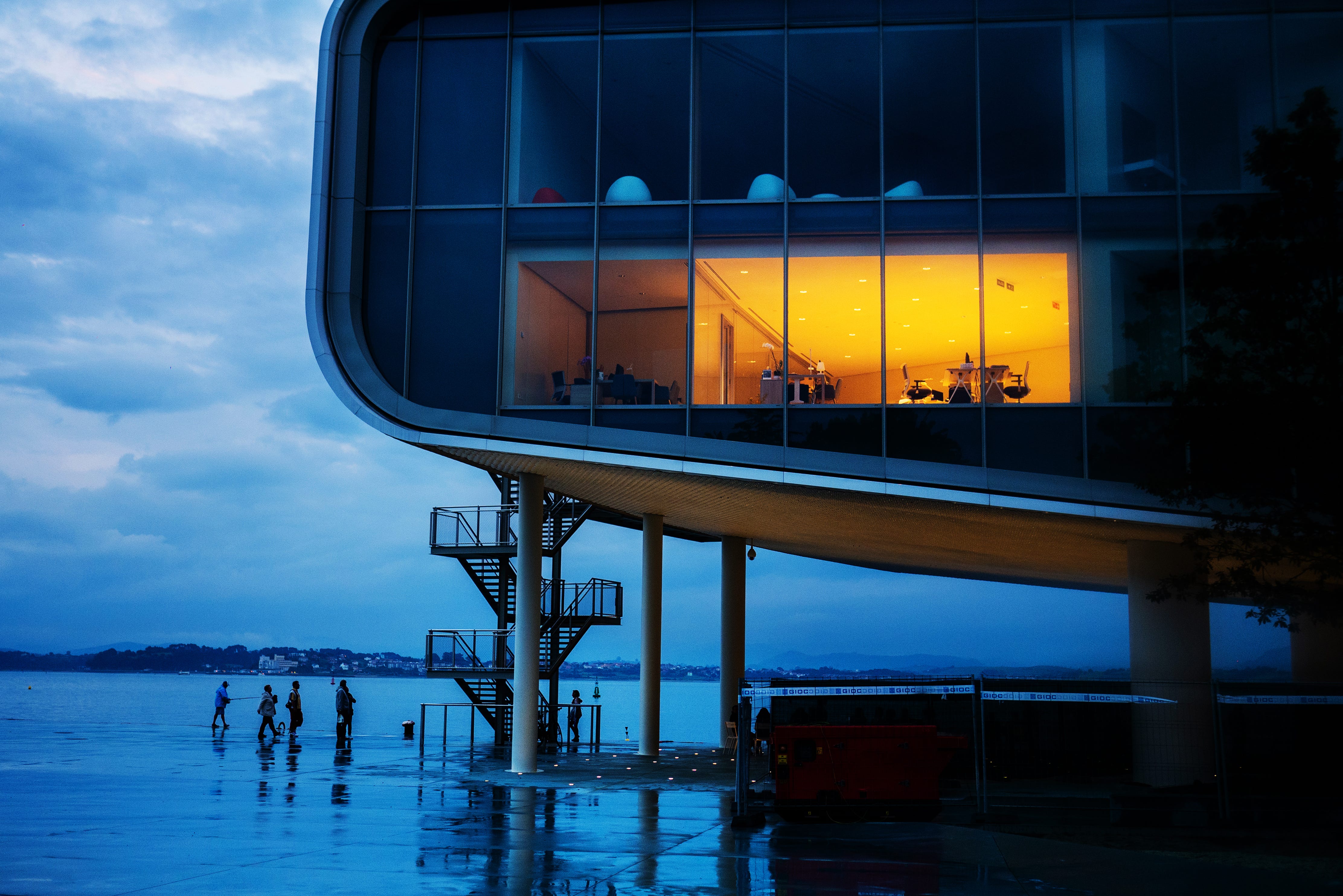
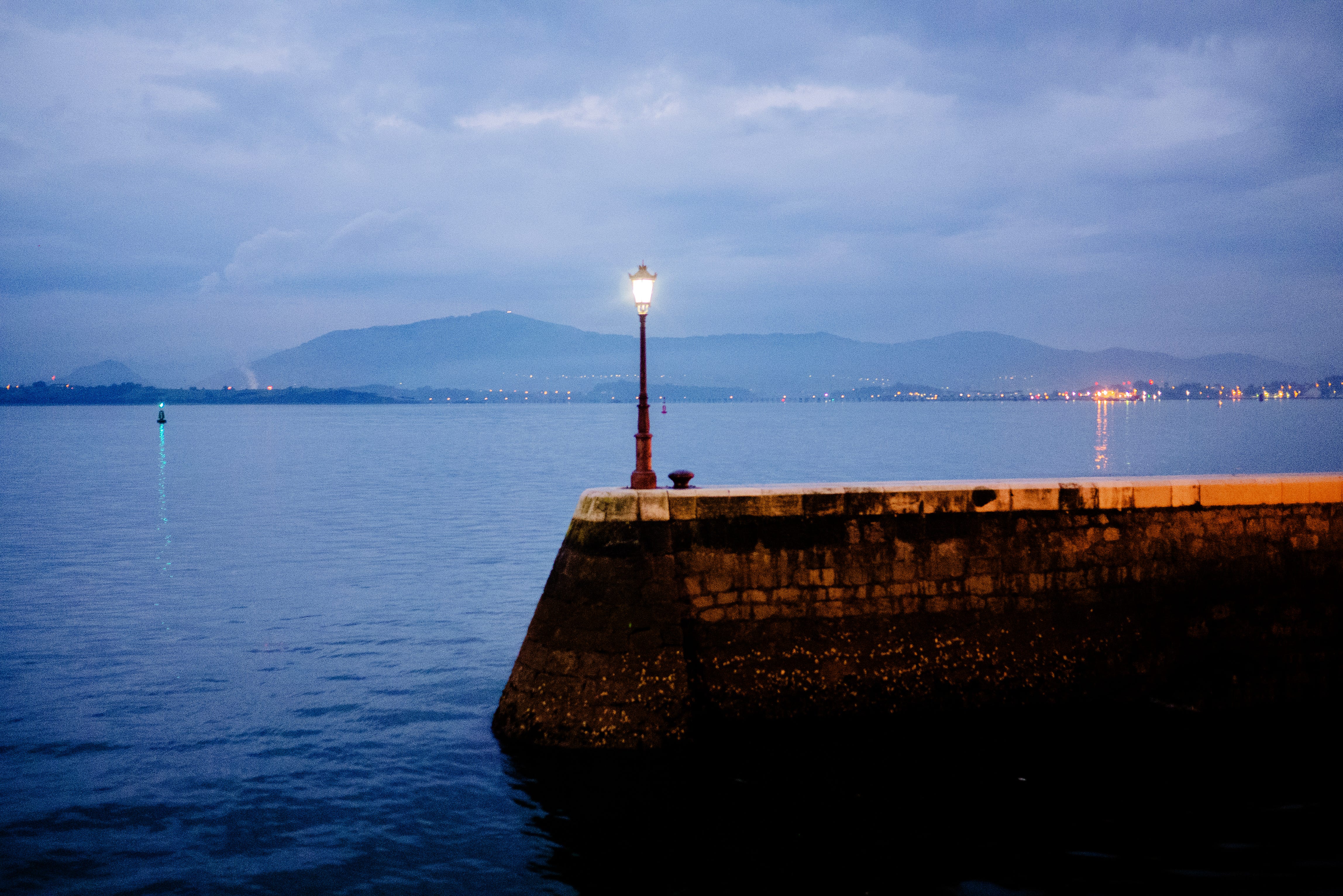
Santander
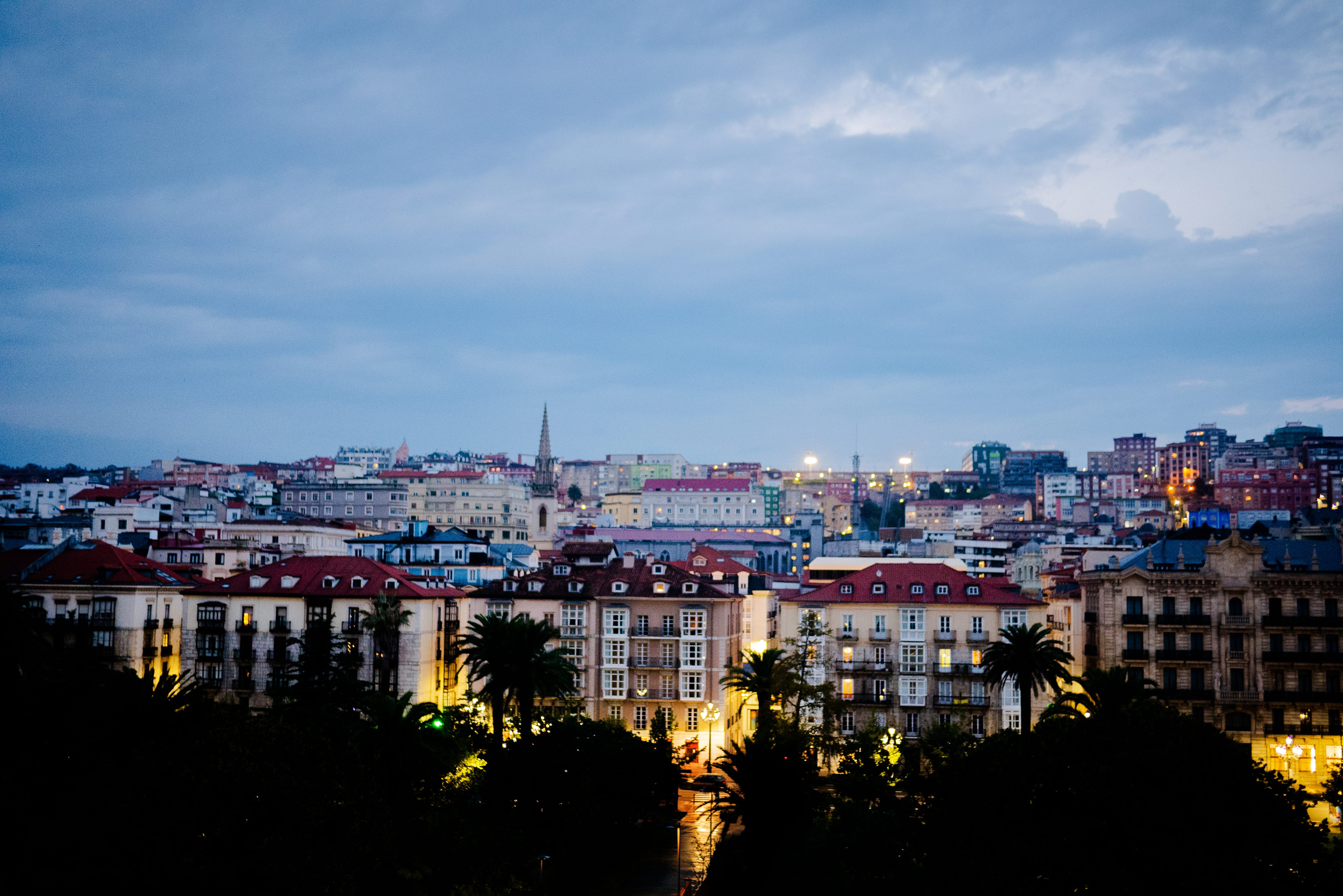
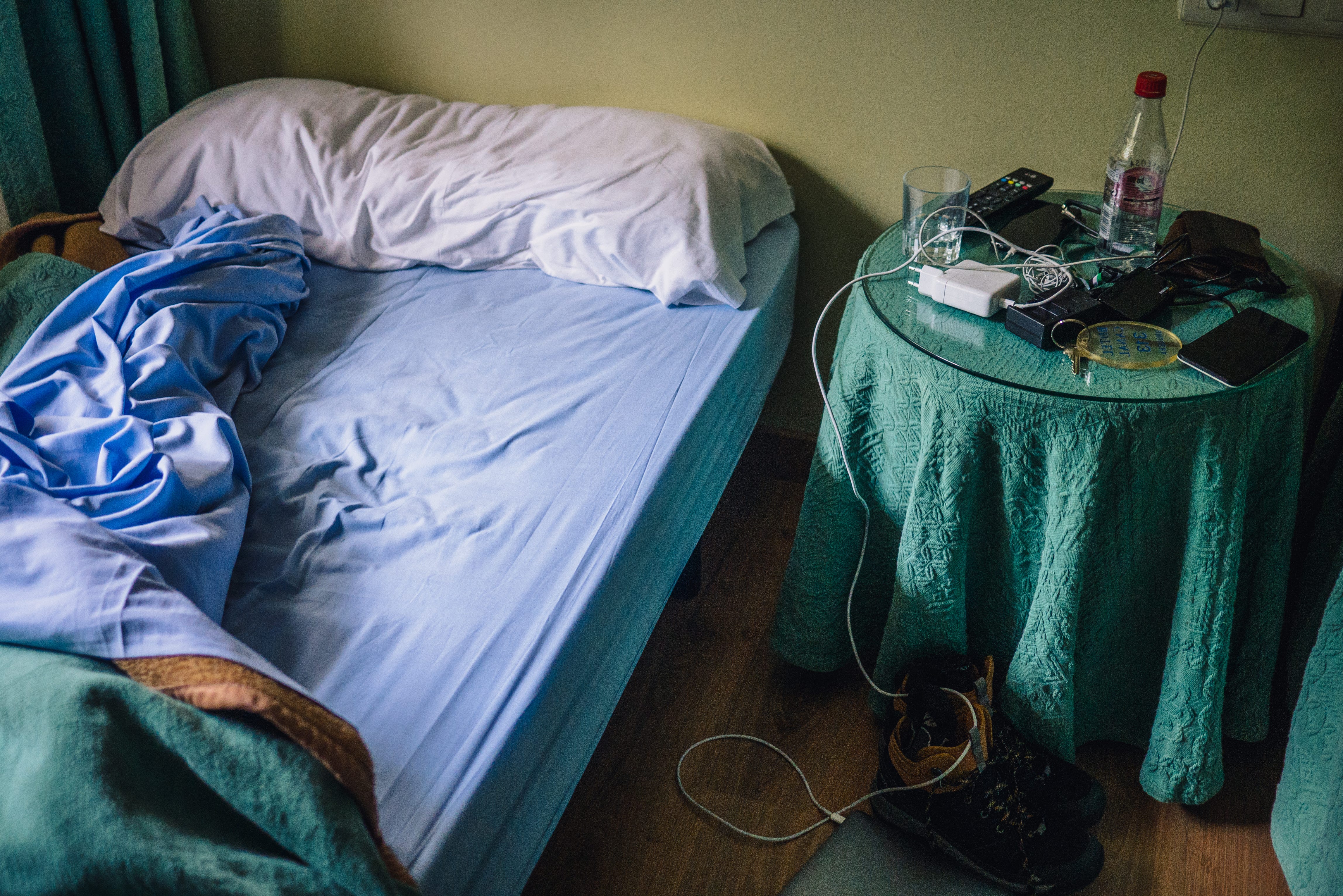
Unquera is relatively small. We stayed in a 2* hotel that was clean. The room for 3 people cost us 61€, about 20€ per person.

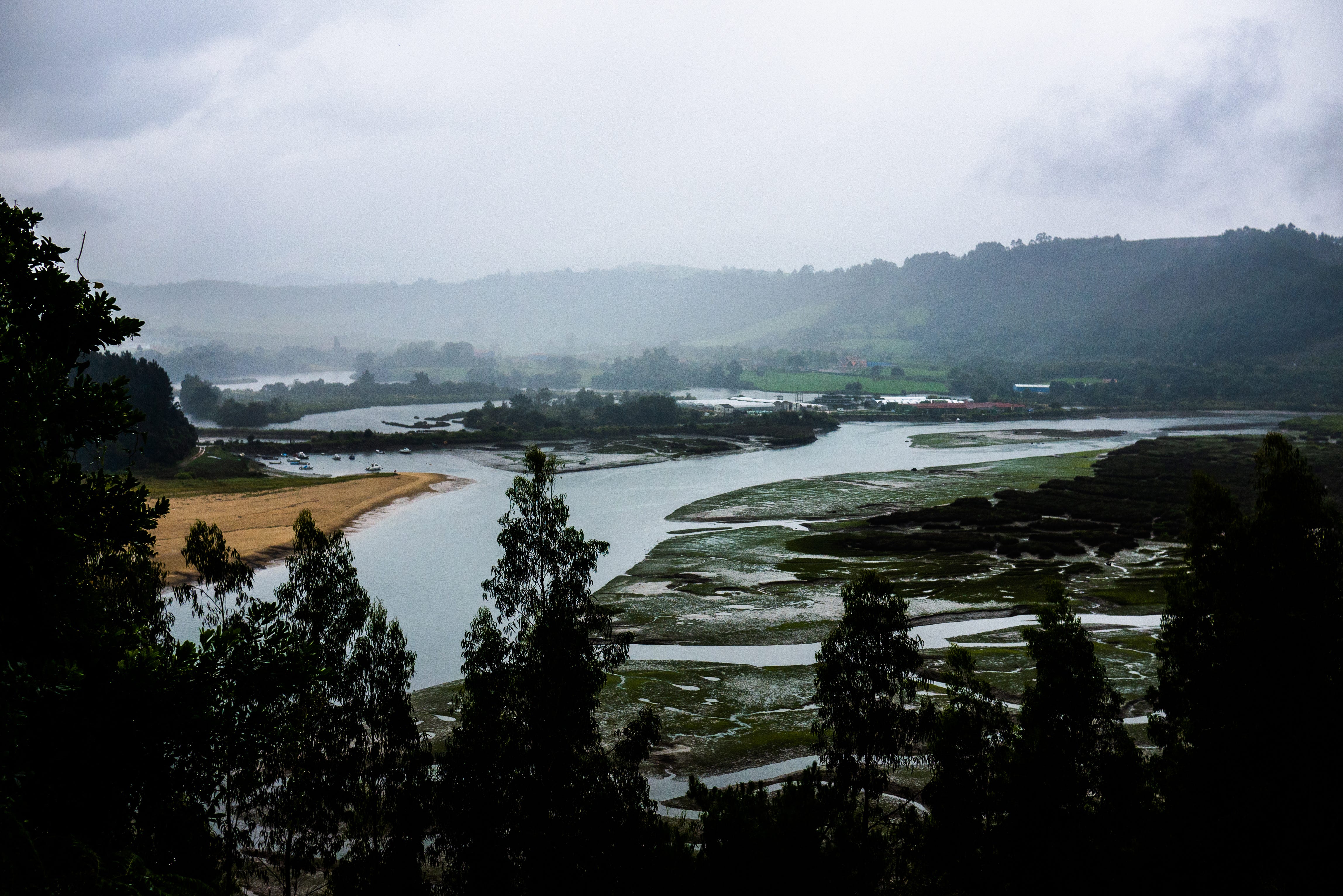
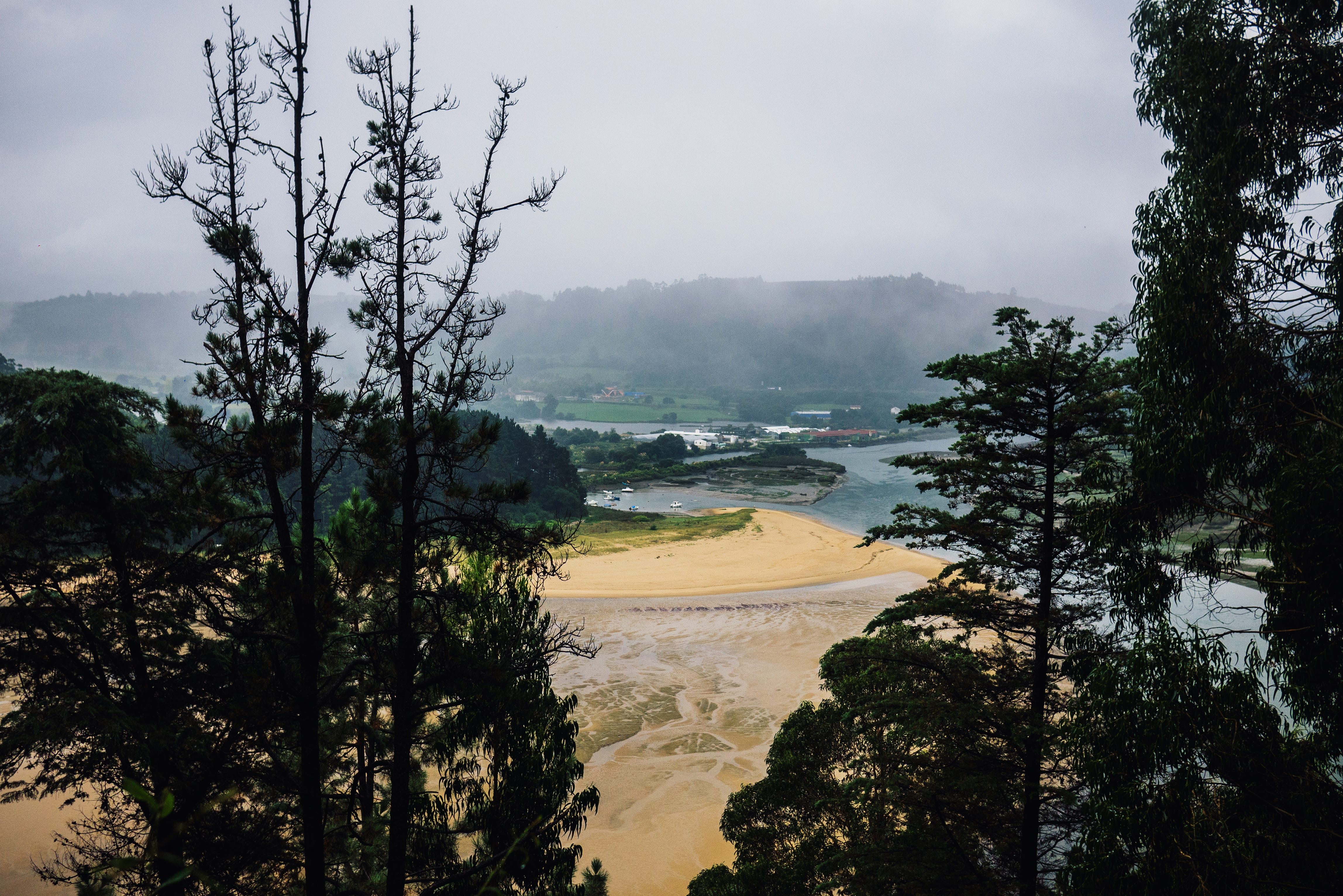
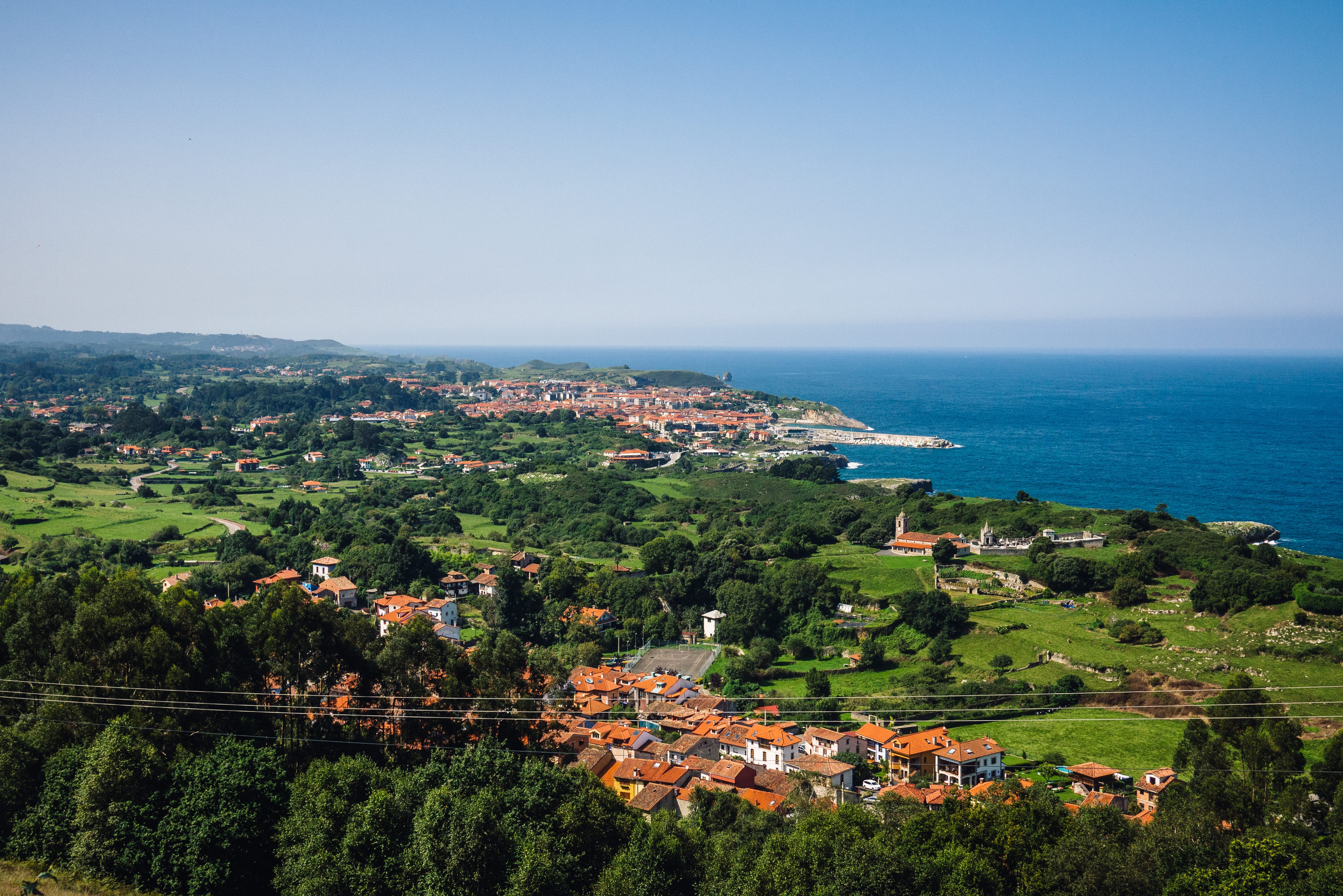
Once you leave your stuff at the hotel, try to keep your backpack under 6 or 7 kilos. In September there is still enough light to go to Pesués (the border between Cantabria and Asturias), climb to the viewpoint to see the Tina Menor estuary, which is spectacular, and return. In total it is about 13Km of breathing fresh air with a taste of eucalyptus.
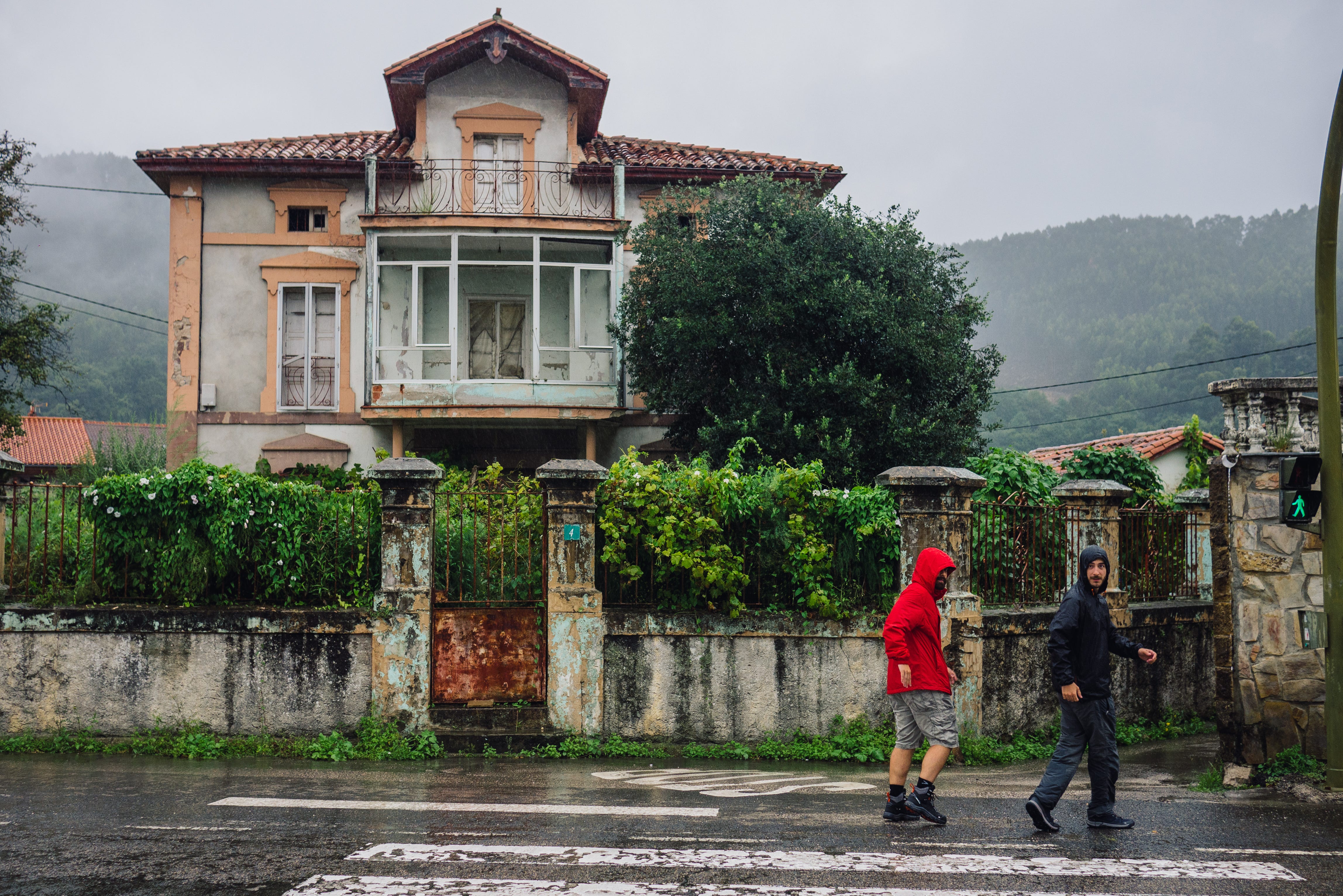
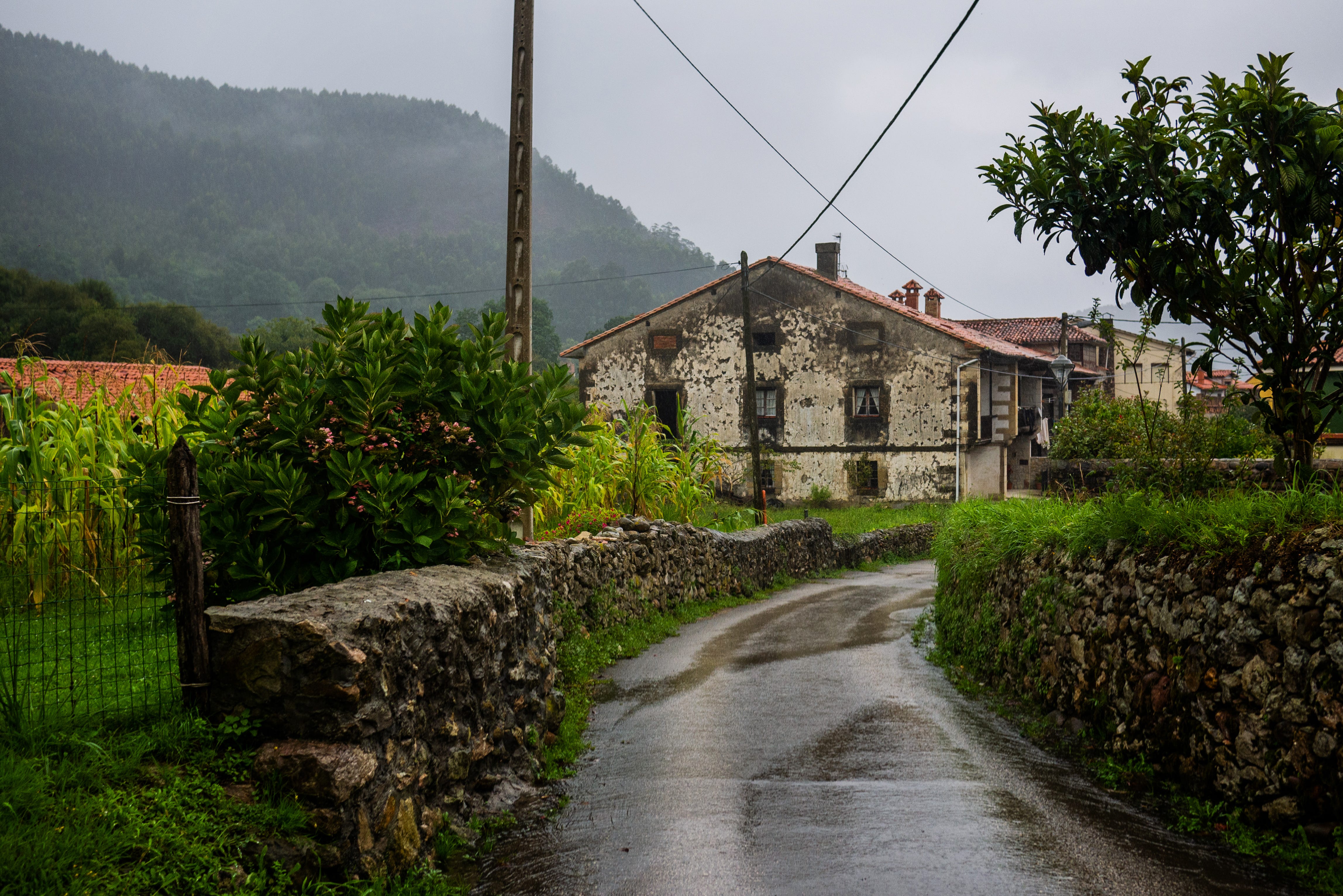
Day 2 / Unquera -> Pendueles

14km walking

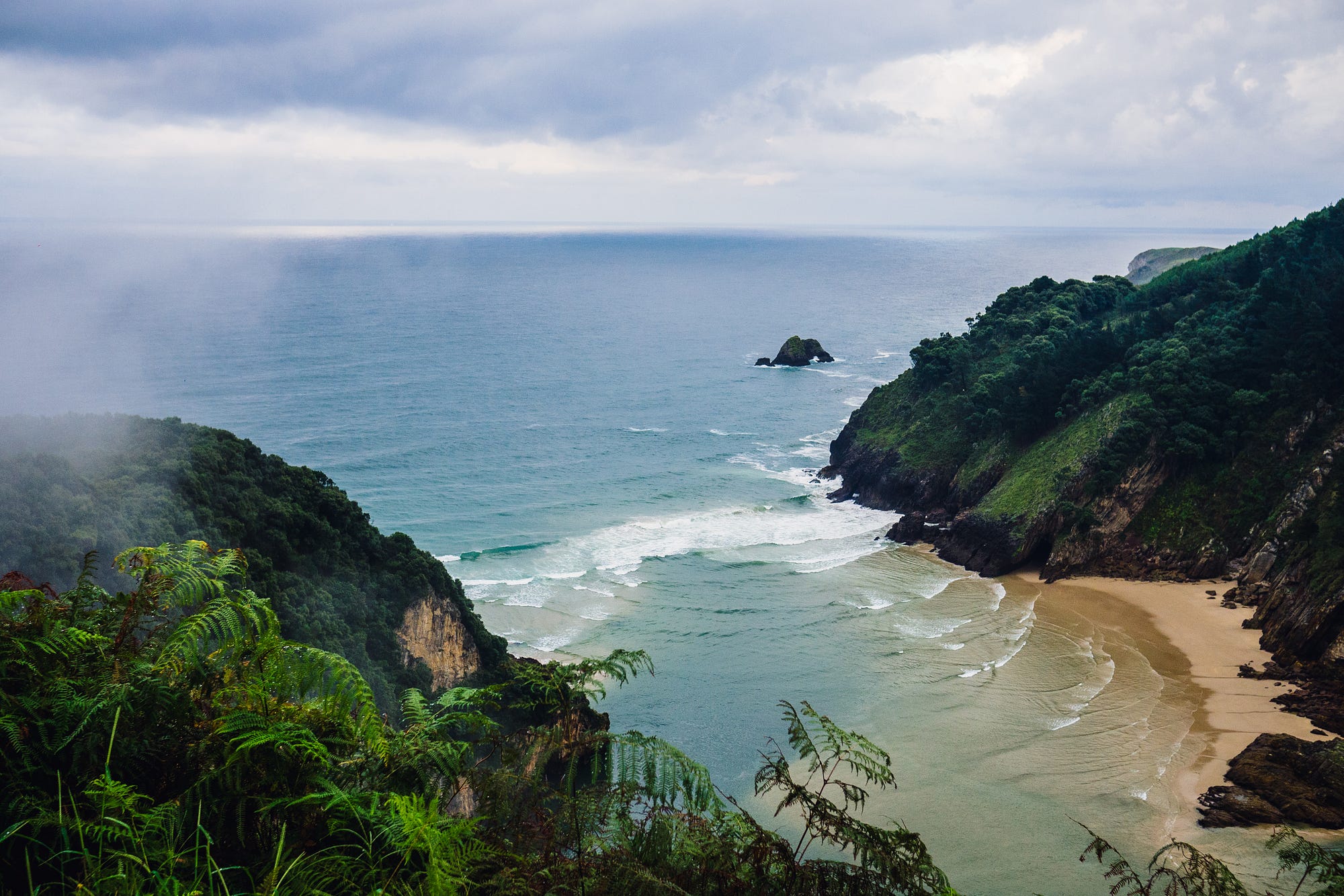
From here, the idea is to follow the yellow arrows of the Camino de Santiago. Right after leaving Unquera, next to the bridge, you find the signs. In between you will pass through Colombres and La Franca where you start to approach the sea again, to reach the area of the blowholes and cliffs. Beautiful. You walk slowly because there is not even a real path. You dodge thorns and cow poop.
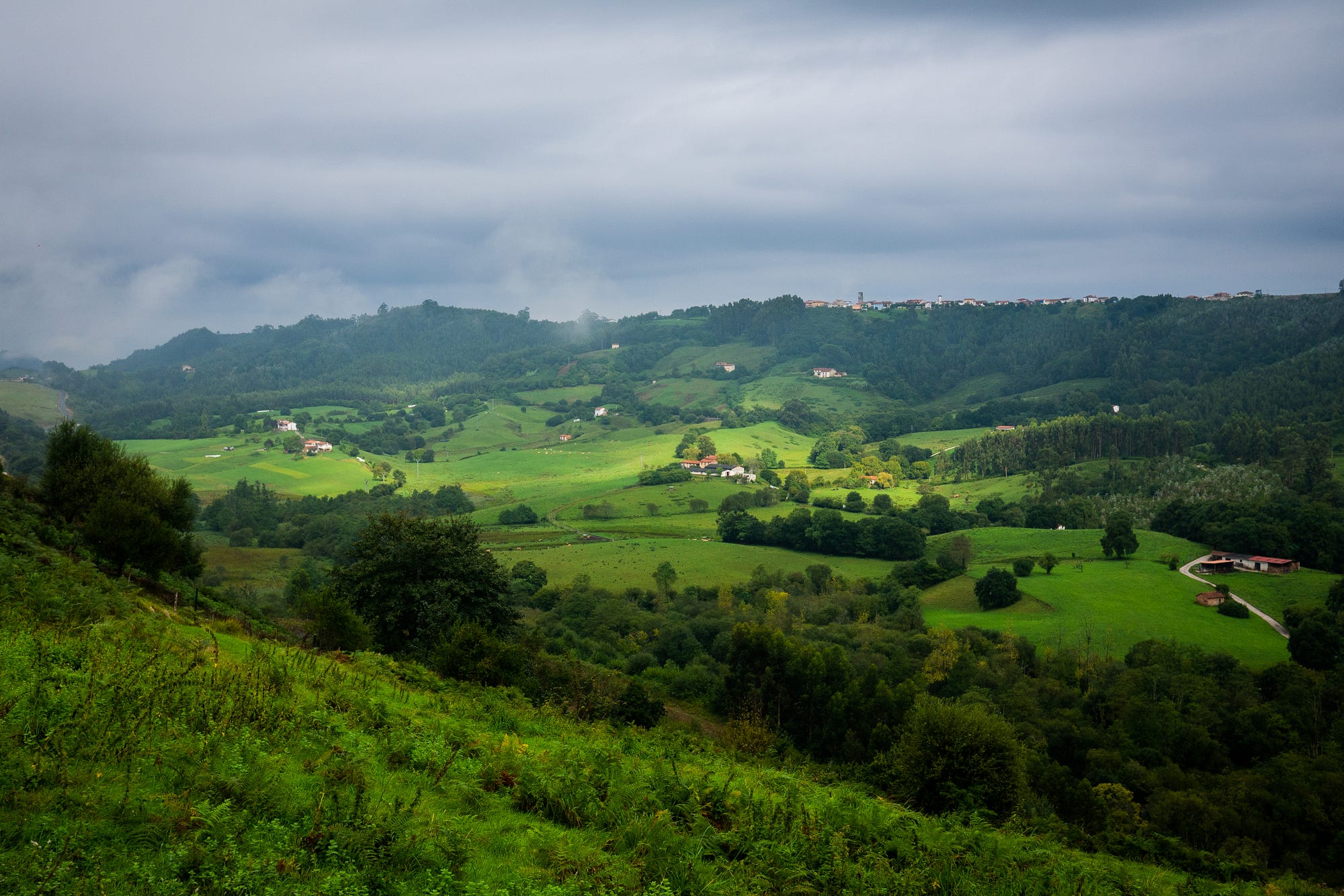
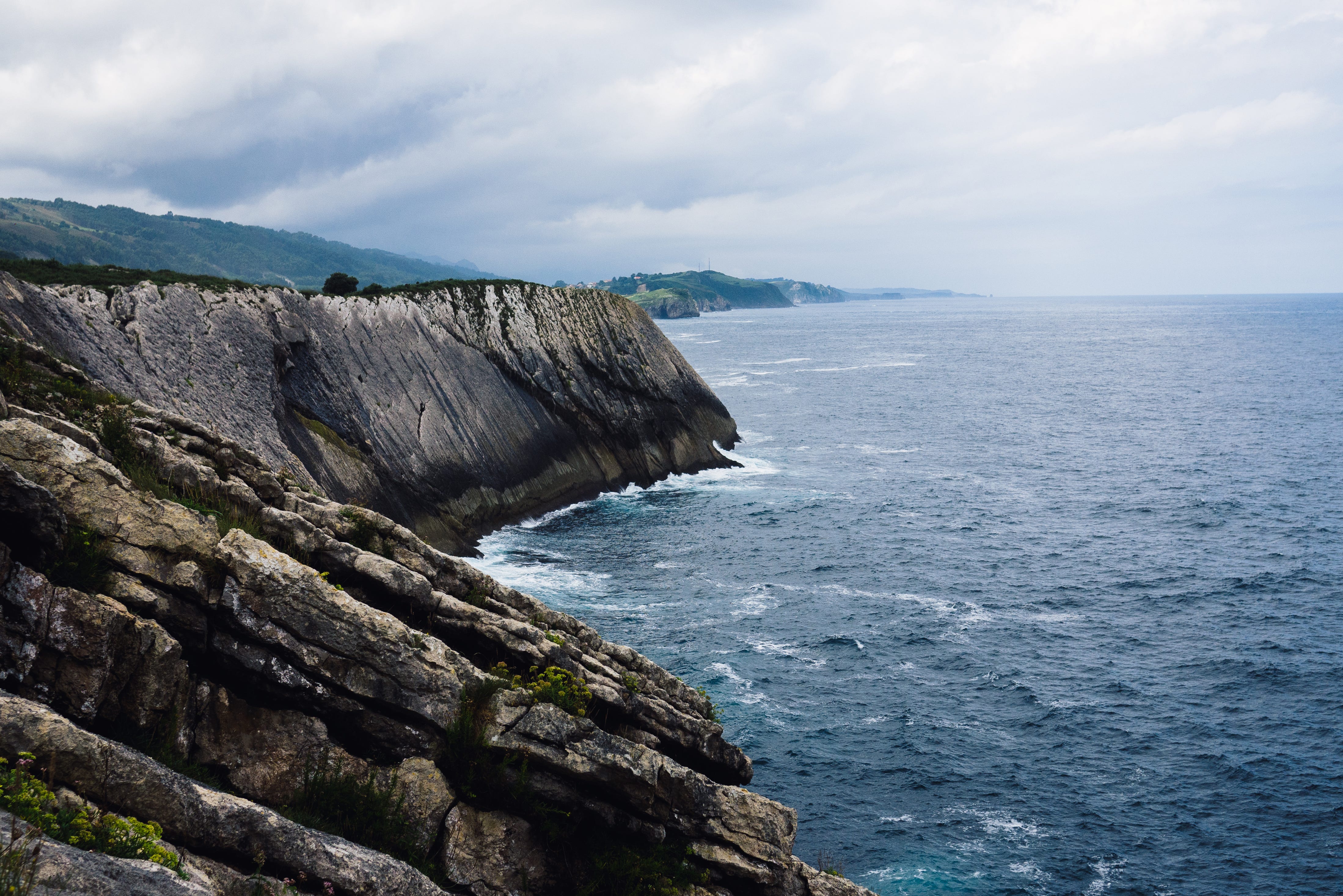
Around 16h or 17h you should arrive in Pendueles. We stayed at the Albergue Bar Castiellu. Araceli, the owner, renovated it a few years ago and they keep it spotless. The bed costs 15€. If you want, she makes a very decent dinner menu for 8€. A kilometer from the hostel there is a campsite facing the beach with a bar that has great views. It is worth going there for a drink and for breakfast the next day.

Day 3 / Pendueles -> Poo de Llanes

20km walking

Back to following the arrows. The route is very similar to the previous day, next to the sea. You will pass by the Arenillas blowholes. We stopped to eat in Andrín a tasty cachopo made of cecina and Cabrales cheese. Then we went to the viewpoint where they filmed the cliff scenes from El Abuelo. We continued walking next to an elevated golf course until Llanes.
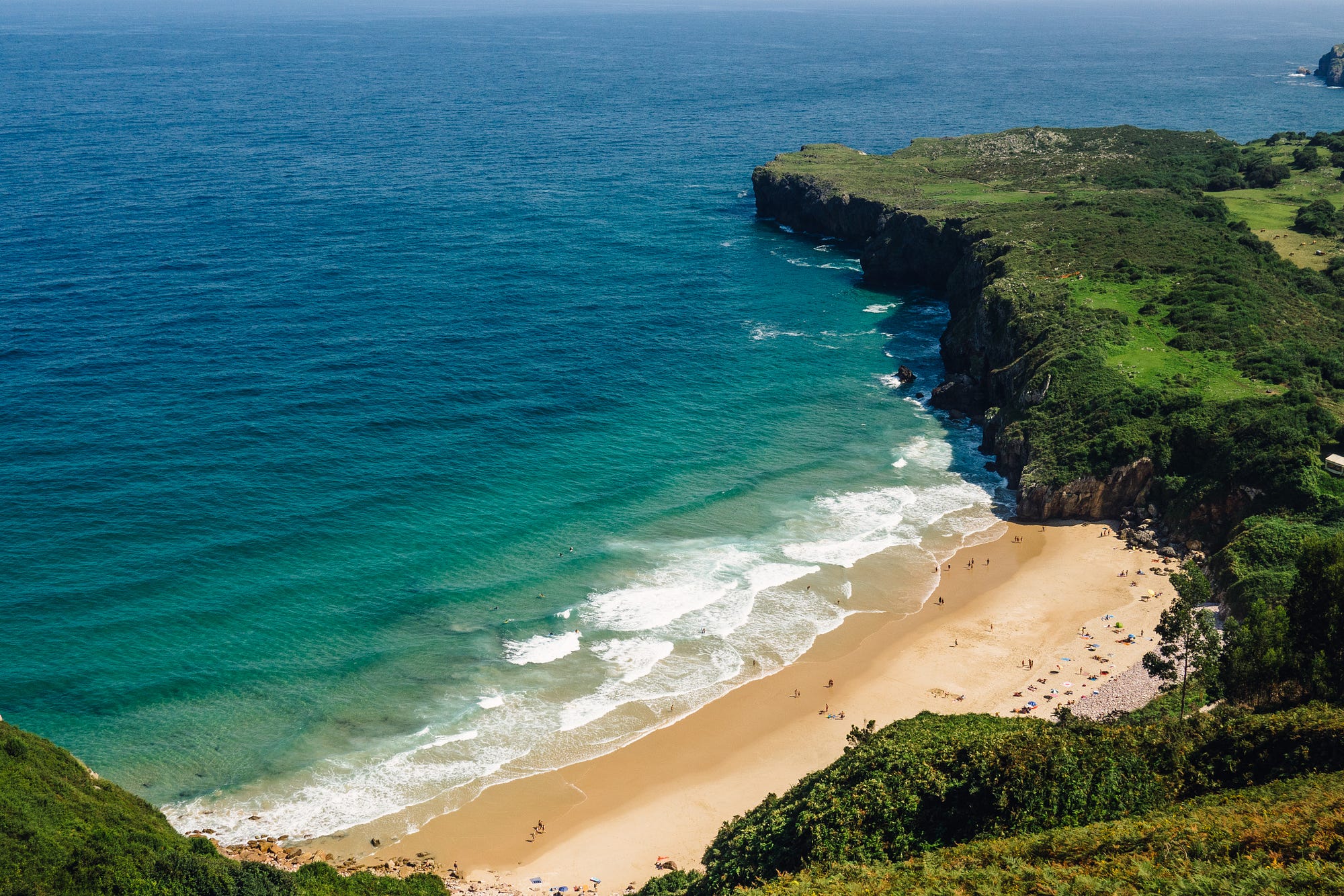
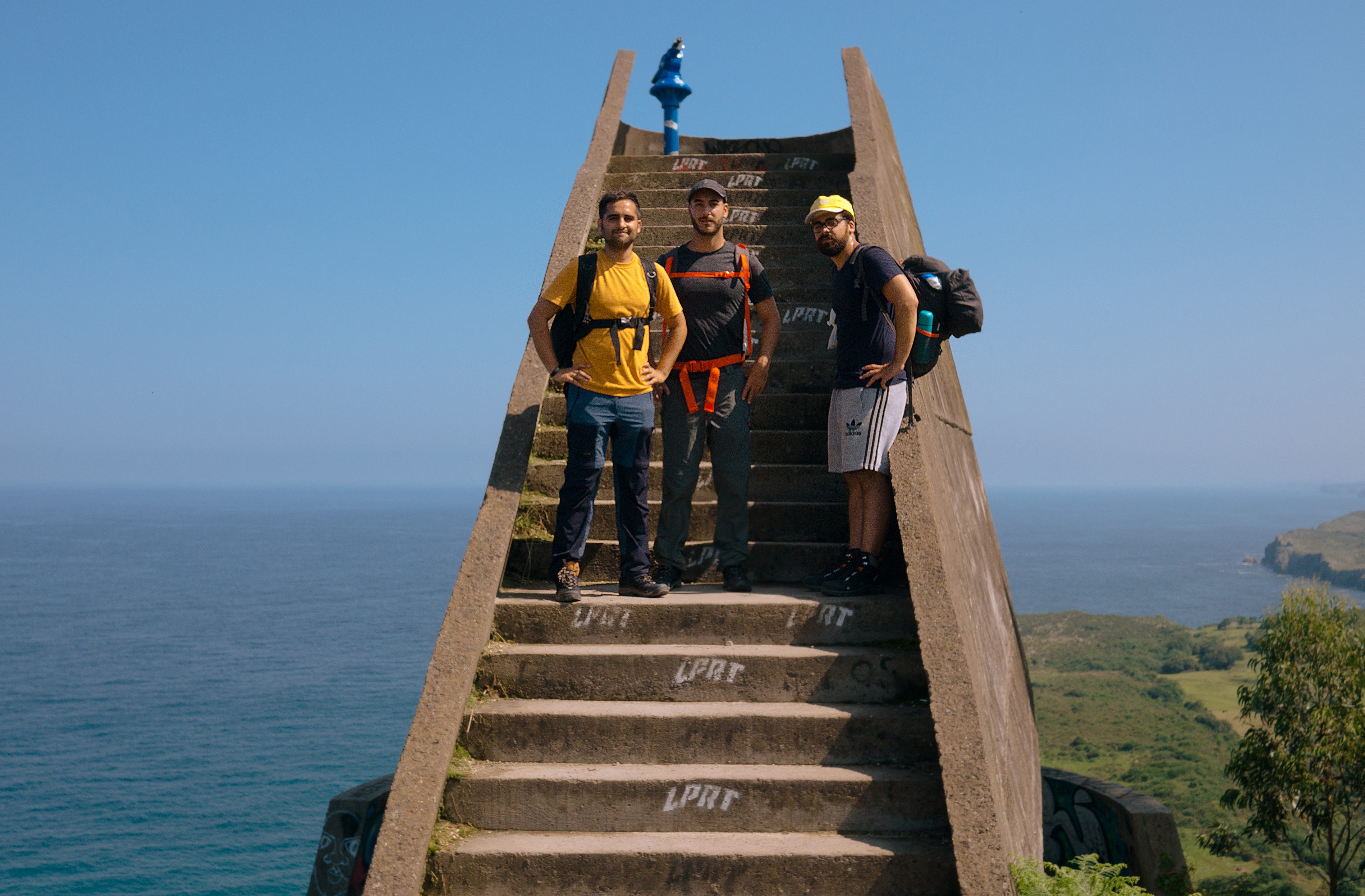
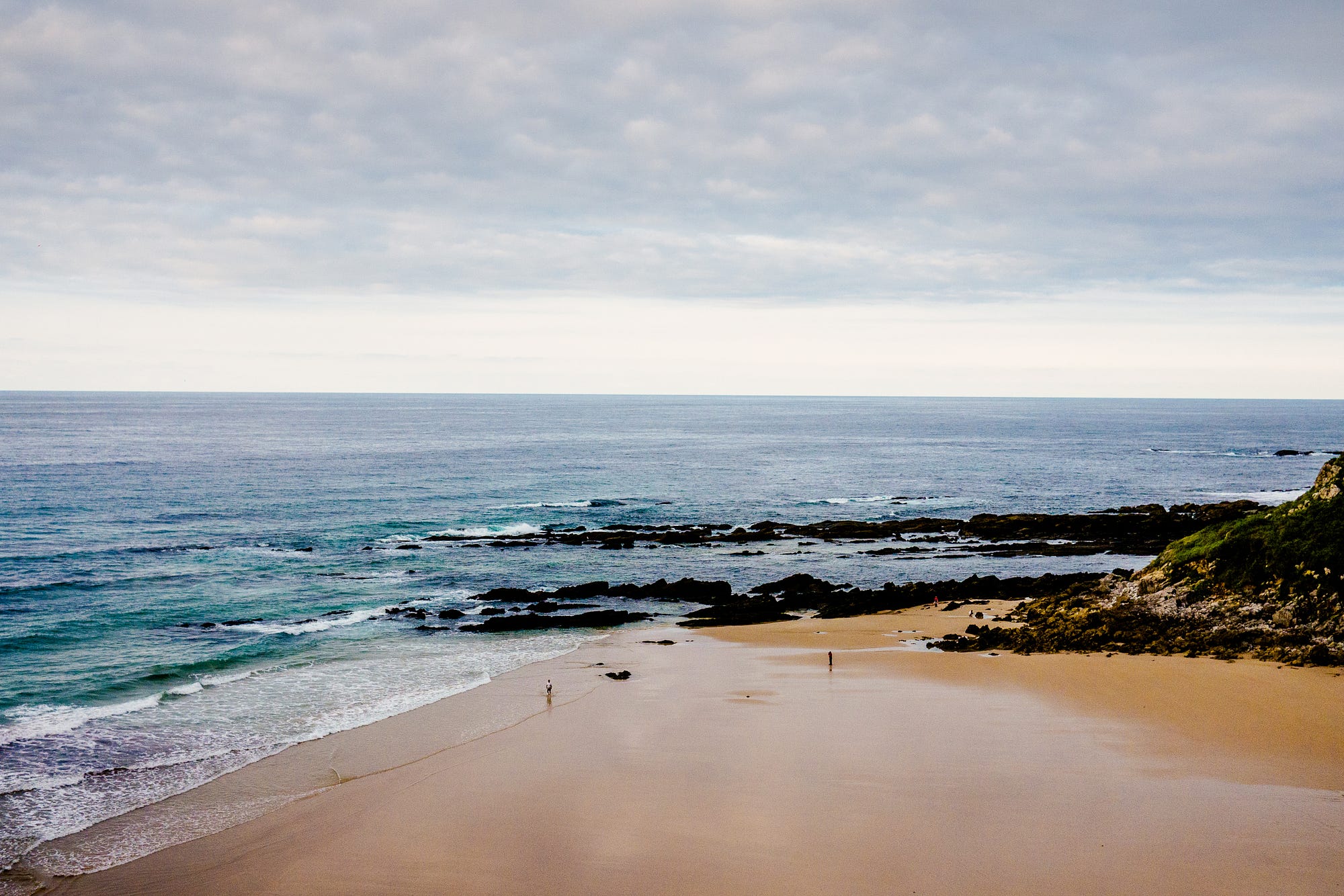
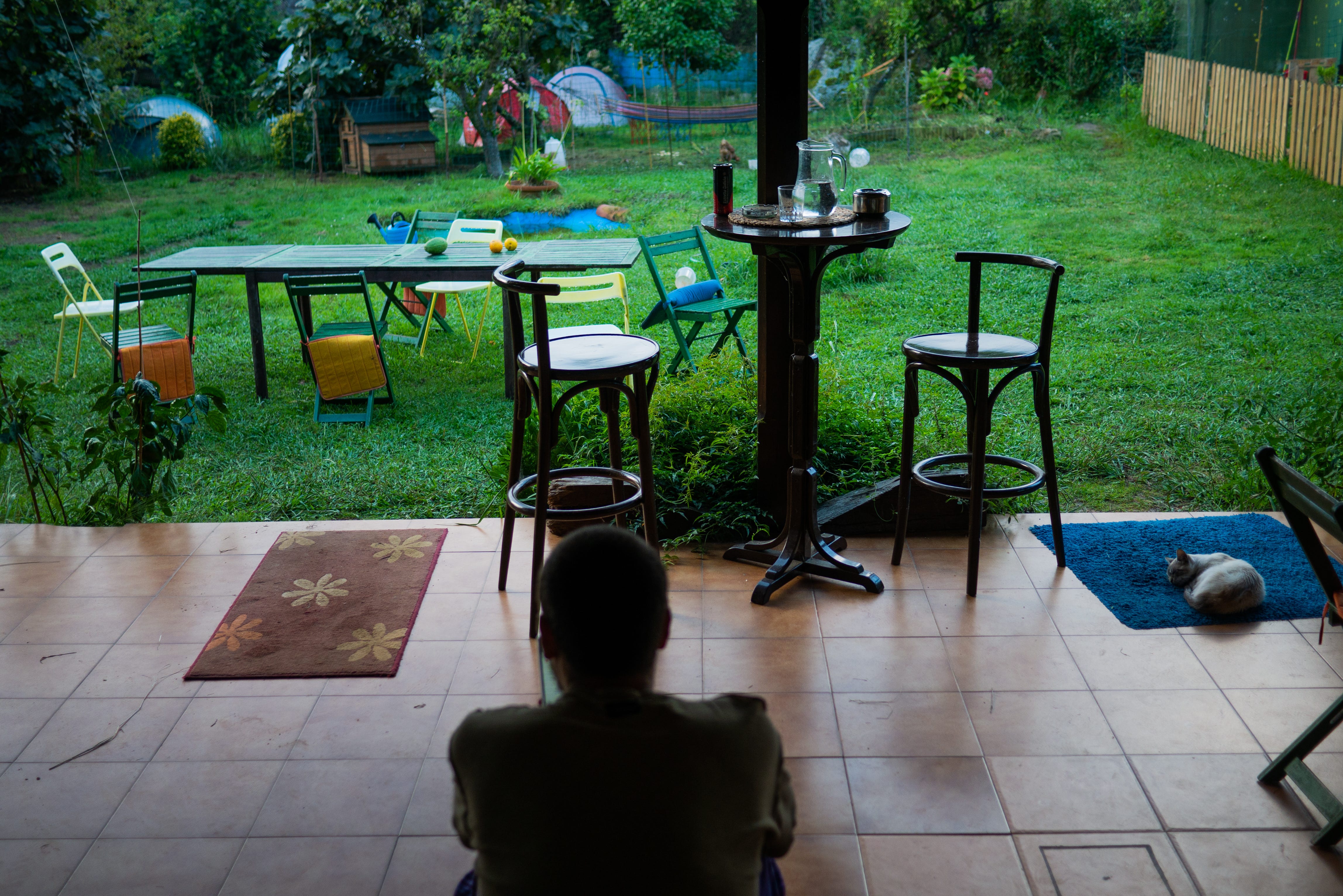
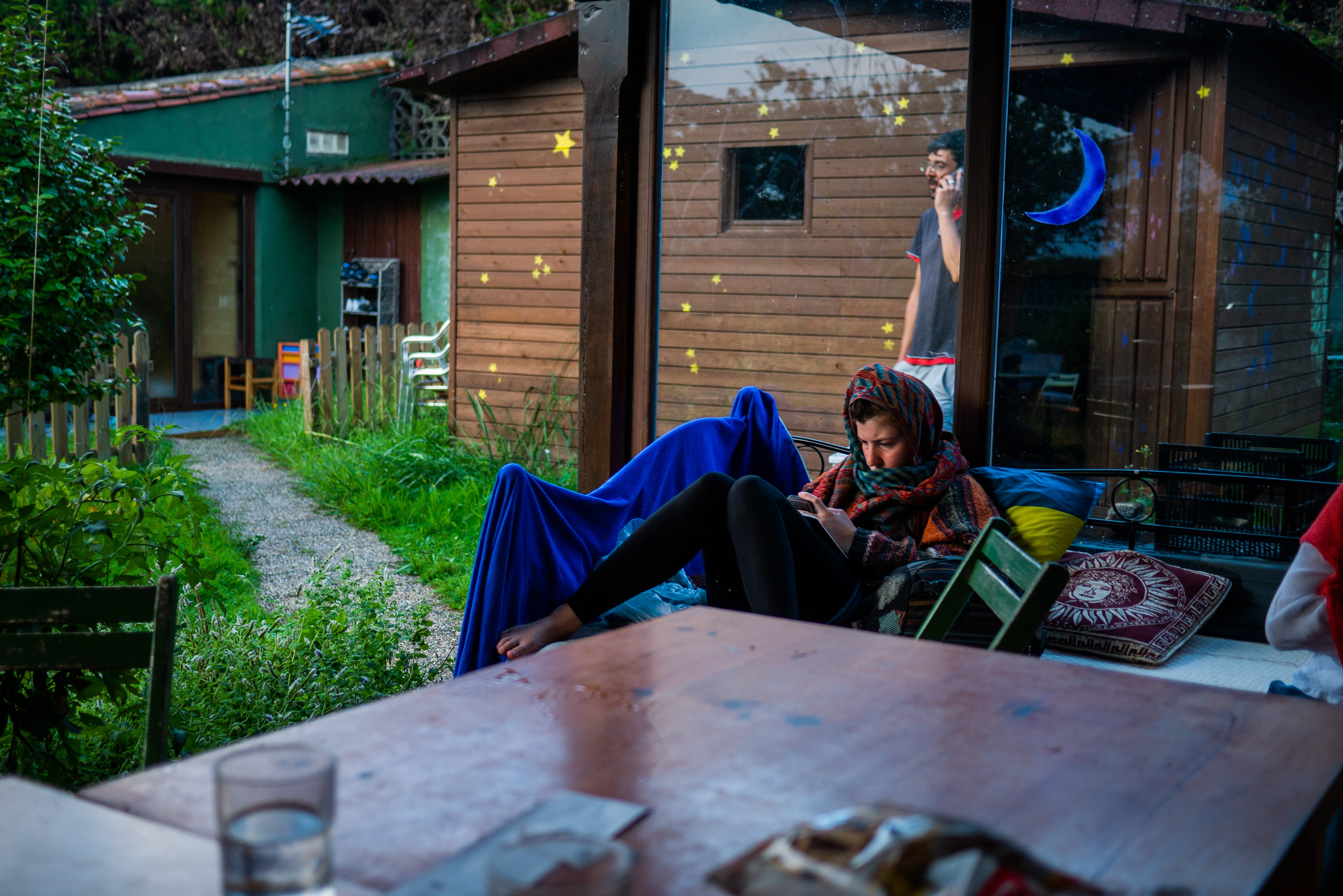
It happened to be the town festival and there were almost no hostels. So we went to Poo de Llanes 3km away. It turned out to be a hostel house with very good vibes from the owners, David and Ivan. It is right next to a beach that National Geographic says is among the 25 best in Europe. The hostel also cost 15€ a night. They make you boiled or fried eggs from their chickens for a couple of euros and a very tasty yogurt from local cows.
Day 4 / Poo de Llanes -> Oviedo -> Madrid

At 11:25 a Feve train passes through Poo de Llanes and leaves you in Oviedo at 14h. In between you see the towns you would pass through if you followed the path: Ribadesella, Mieres, Arriondas... The train back to Madrid leaves at 18:30h. The station is right next to the center. So you have plenty of time to walk around the center, see the Campoamor theater from the outside, the Woody Allen statue, the cathedral, and spend some time in the Bombé park.
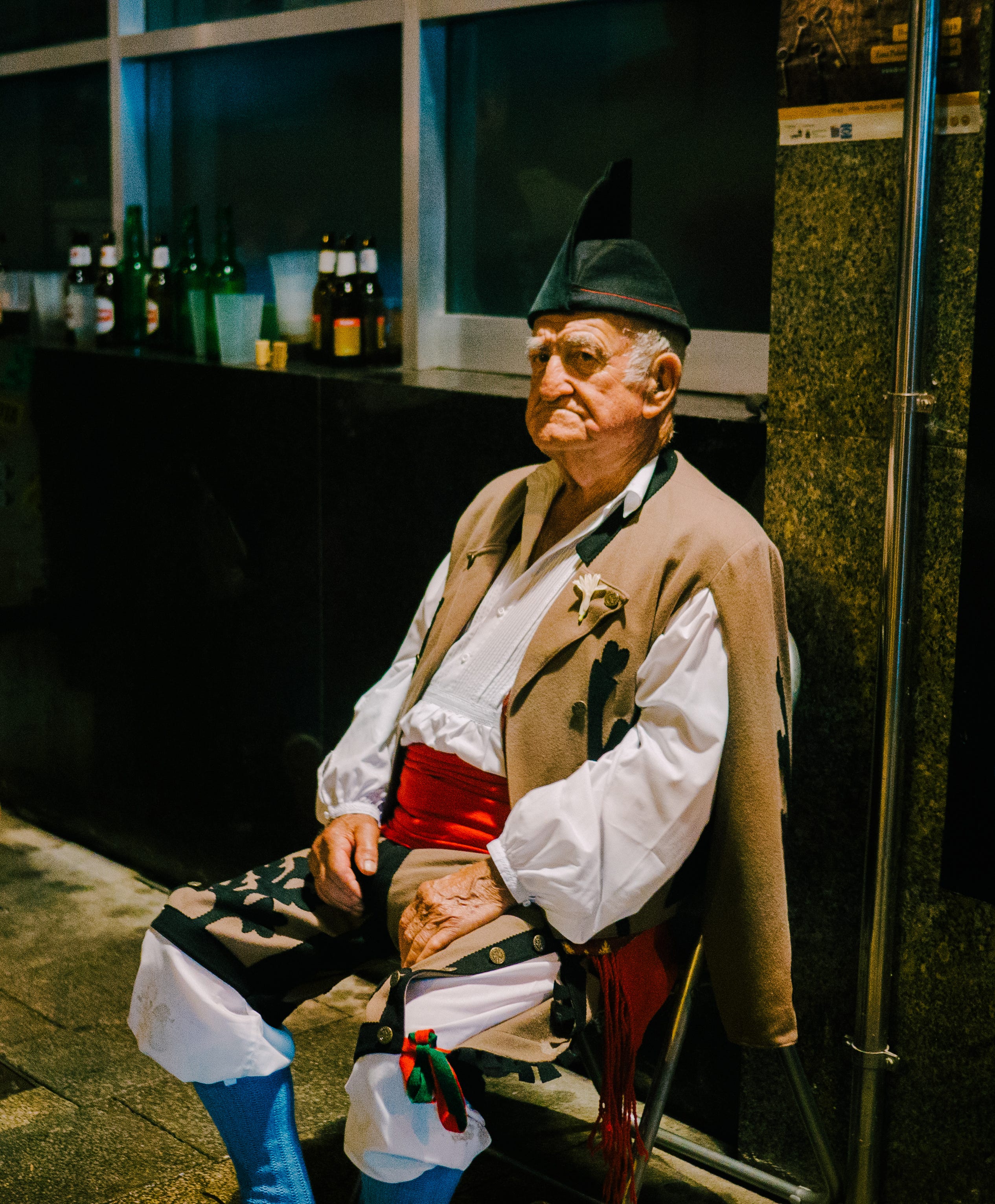
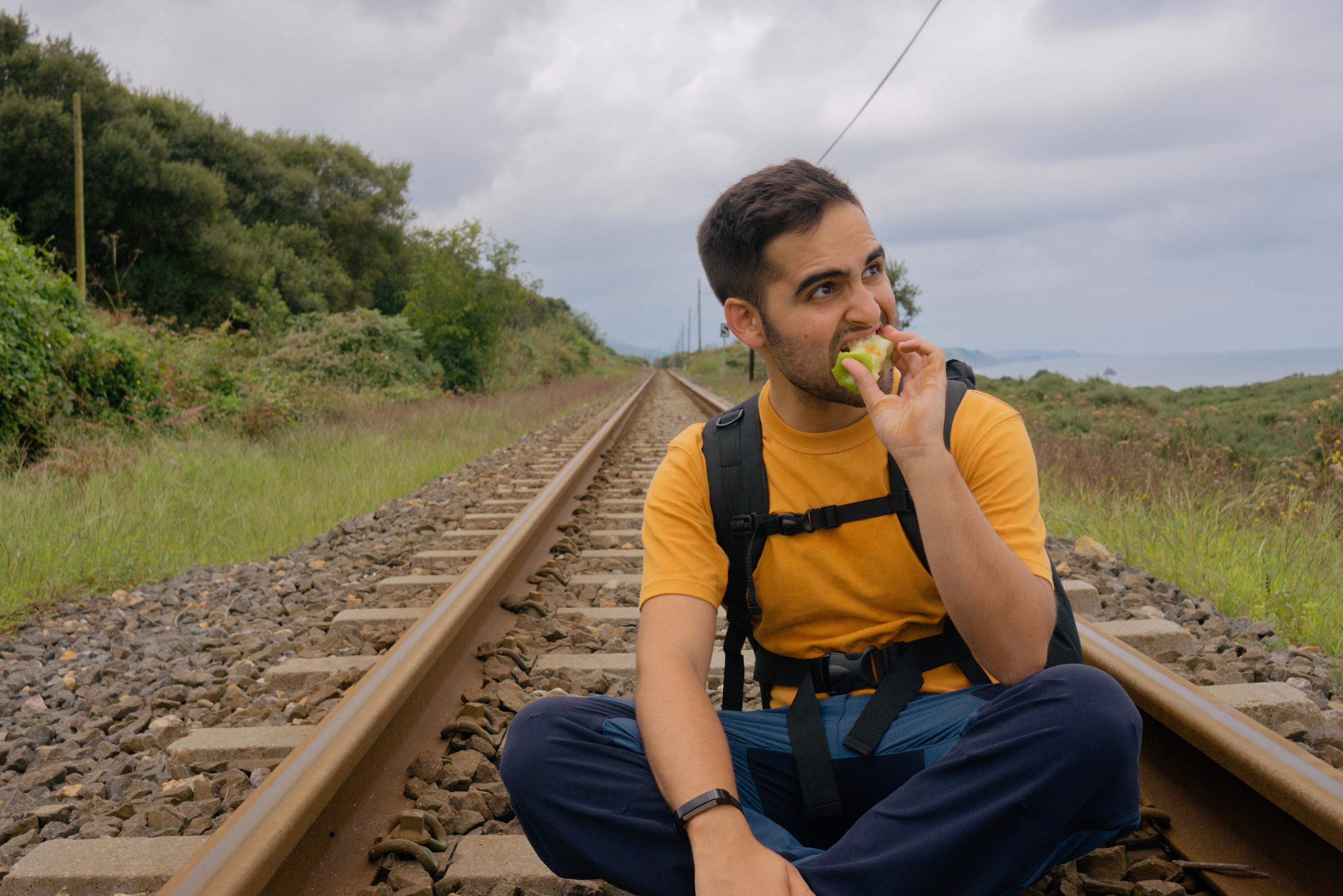
On average we crossed paths with a couple of pilgrims every hour. It seems that in September and on the Northern Way things are not very crowded. Most go in pairs and almost none stopped to start a conversation with us. We only got to interact more in hostels.

Map and Figures

Walk 15 to 20Km a day.

Keep your backpack under 5 or 7 Kg. 10% of your weight, they say.

Hostels at 15 to 20€ a day.

Eating supermarket sandwiches for about 3€, daily menus in restaurants for 8 to 10€.

Boots Quechua 35€ and mountain trekking pants 30€ from Decathlon.

Round trip tickets Madrid, Santander, Oviedo between 50 and 80€.

Feve tickets 6 to 8€.
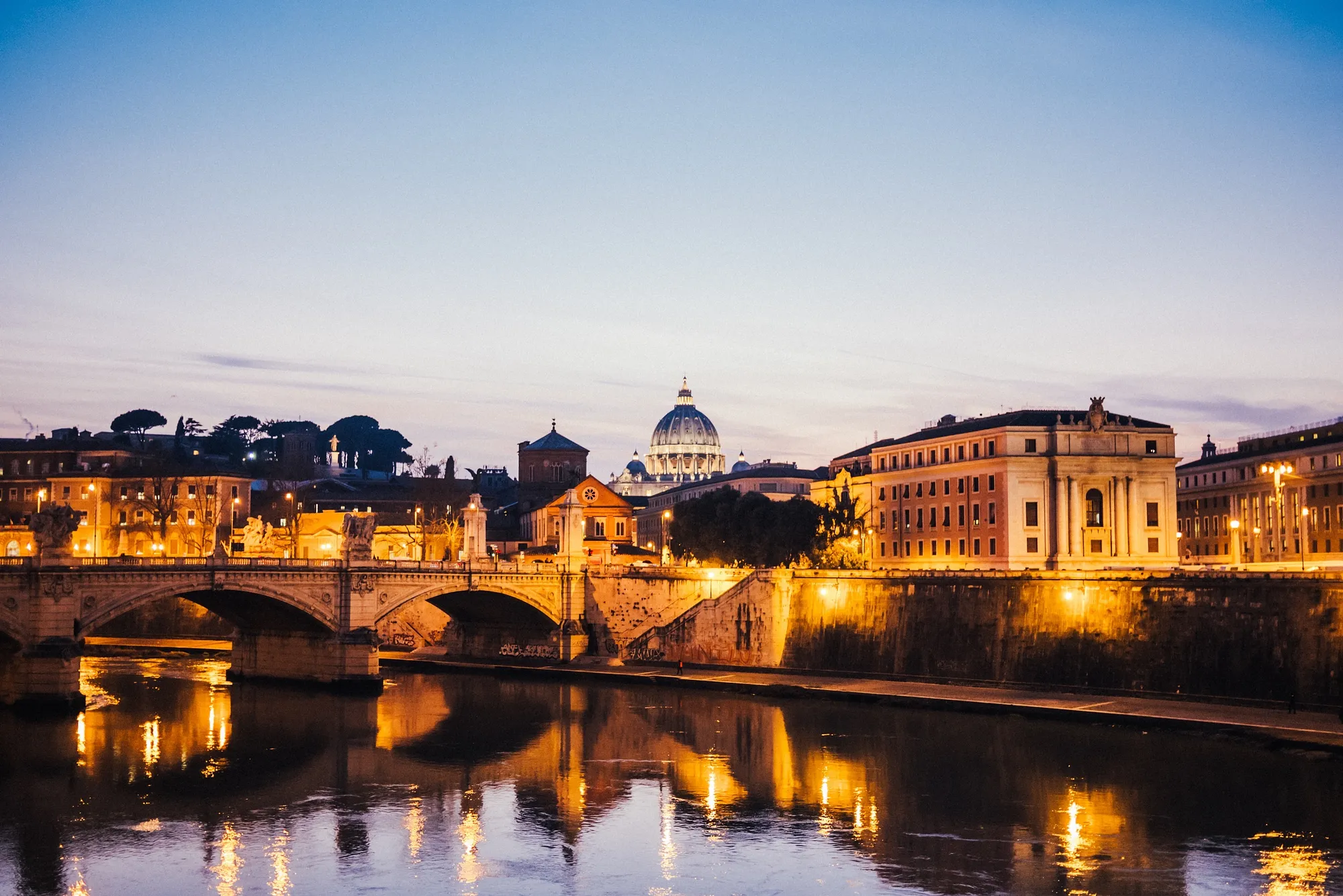
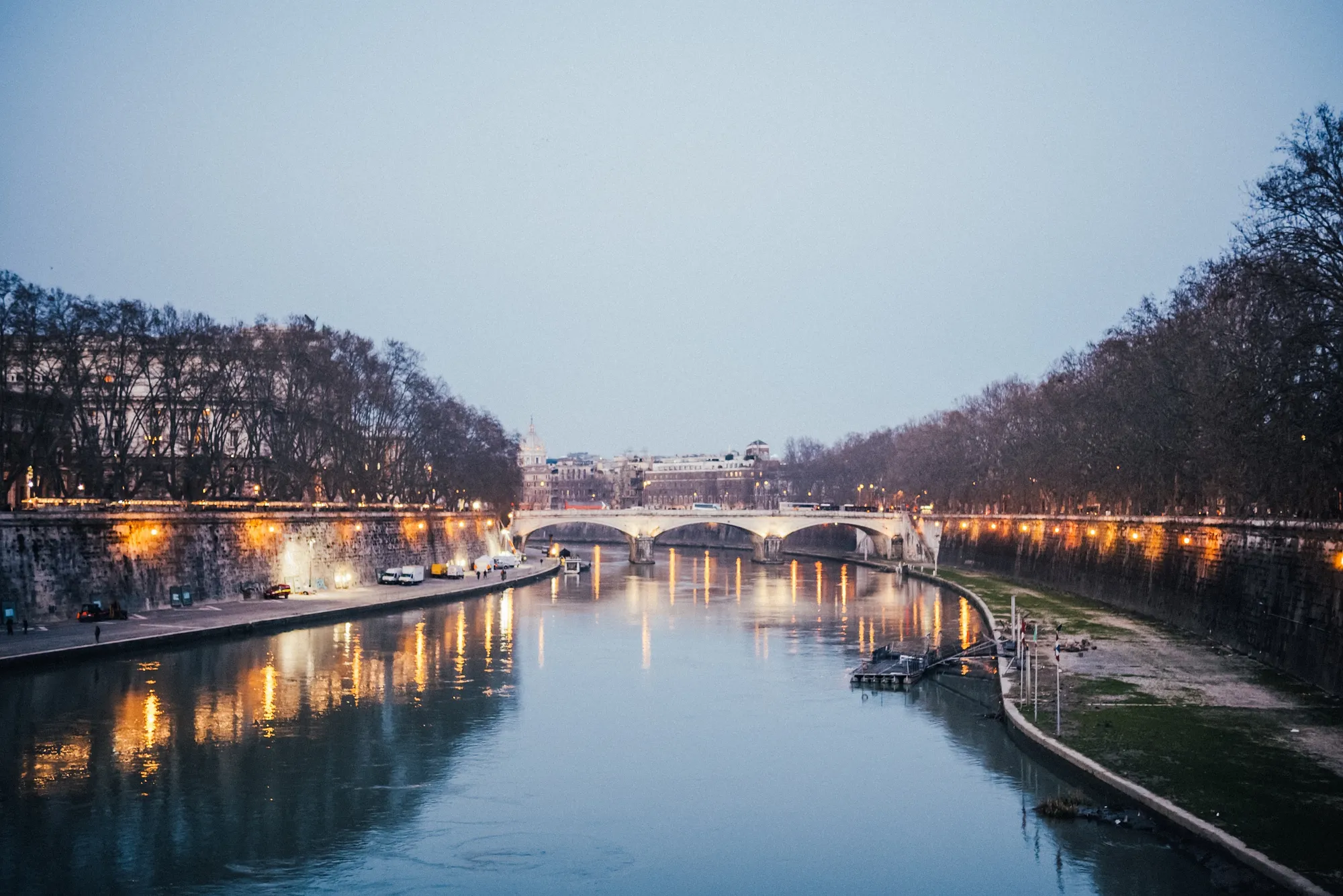
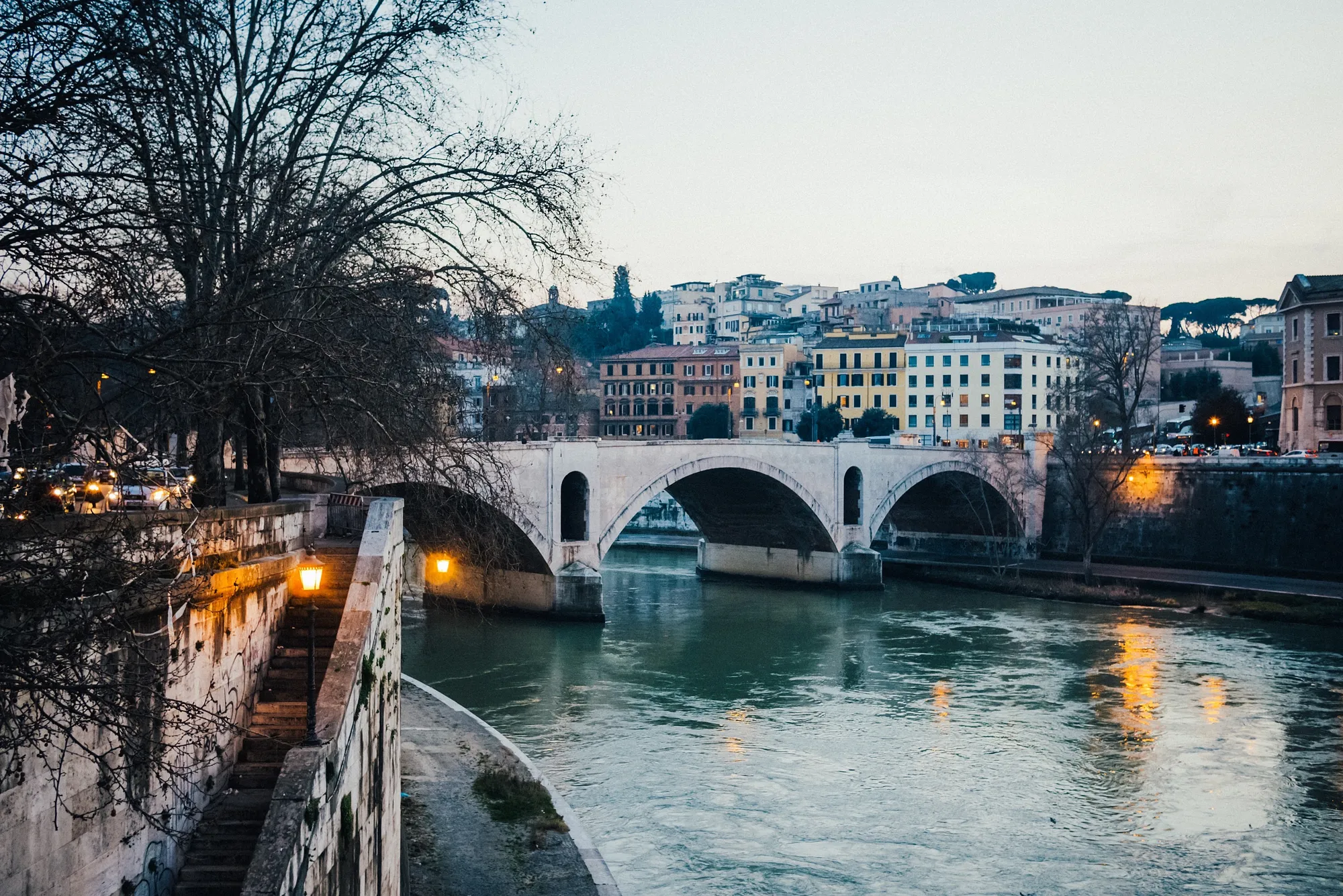
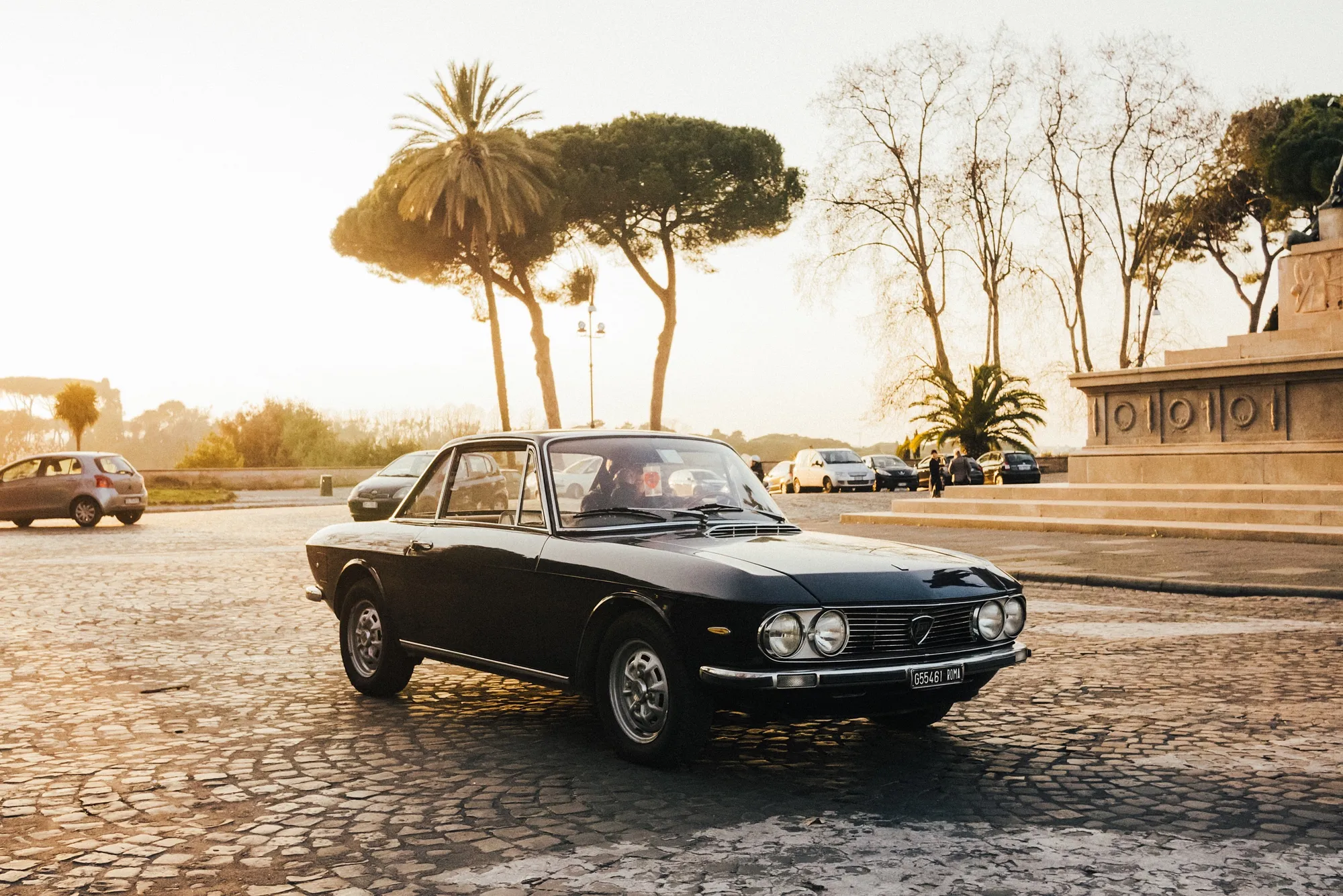
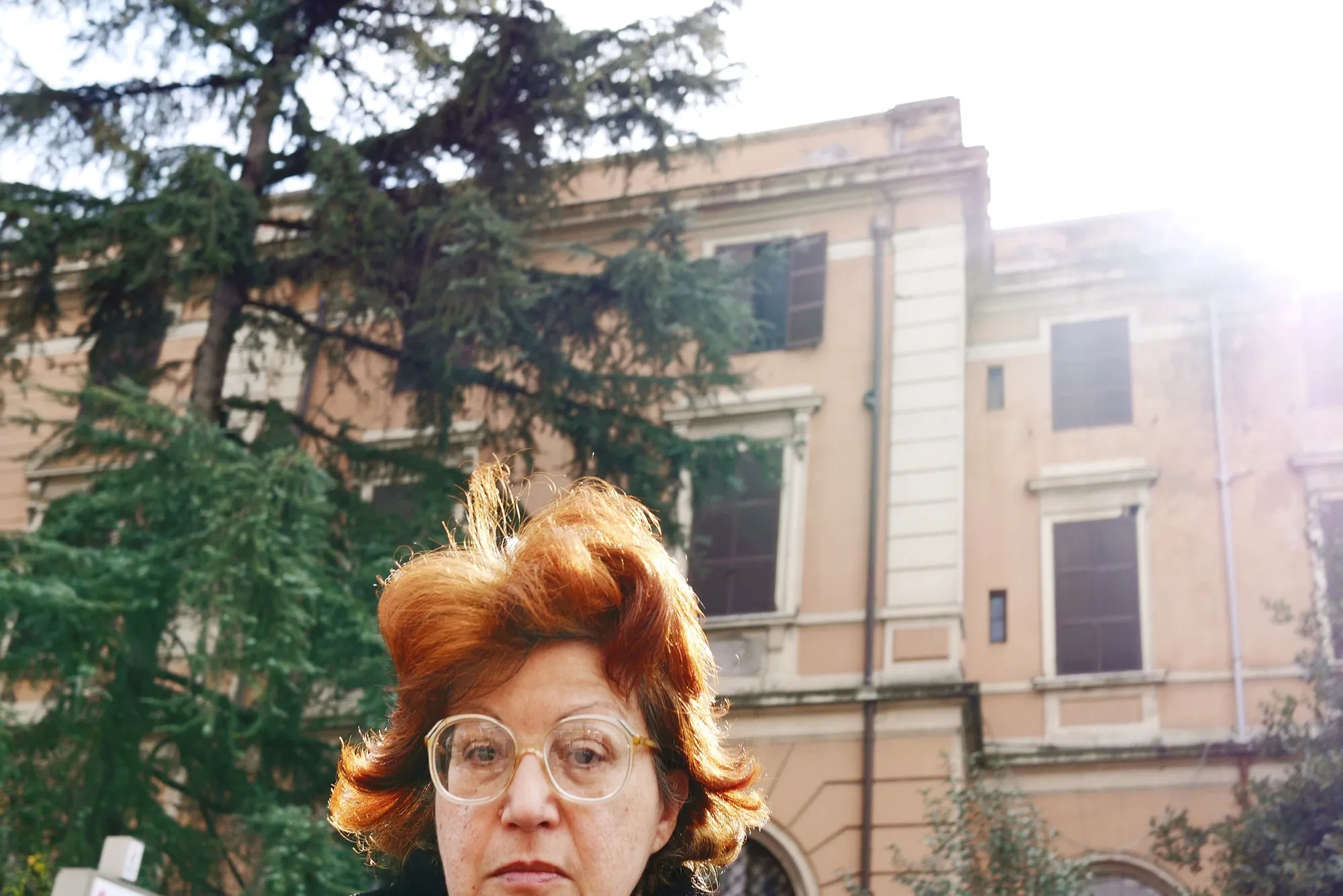
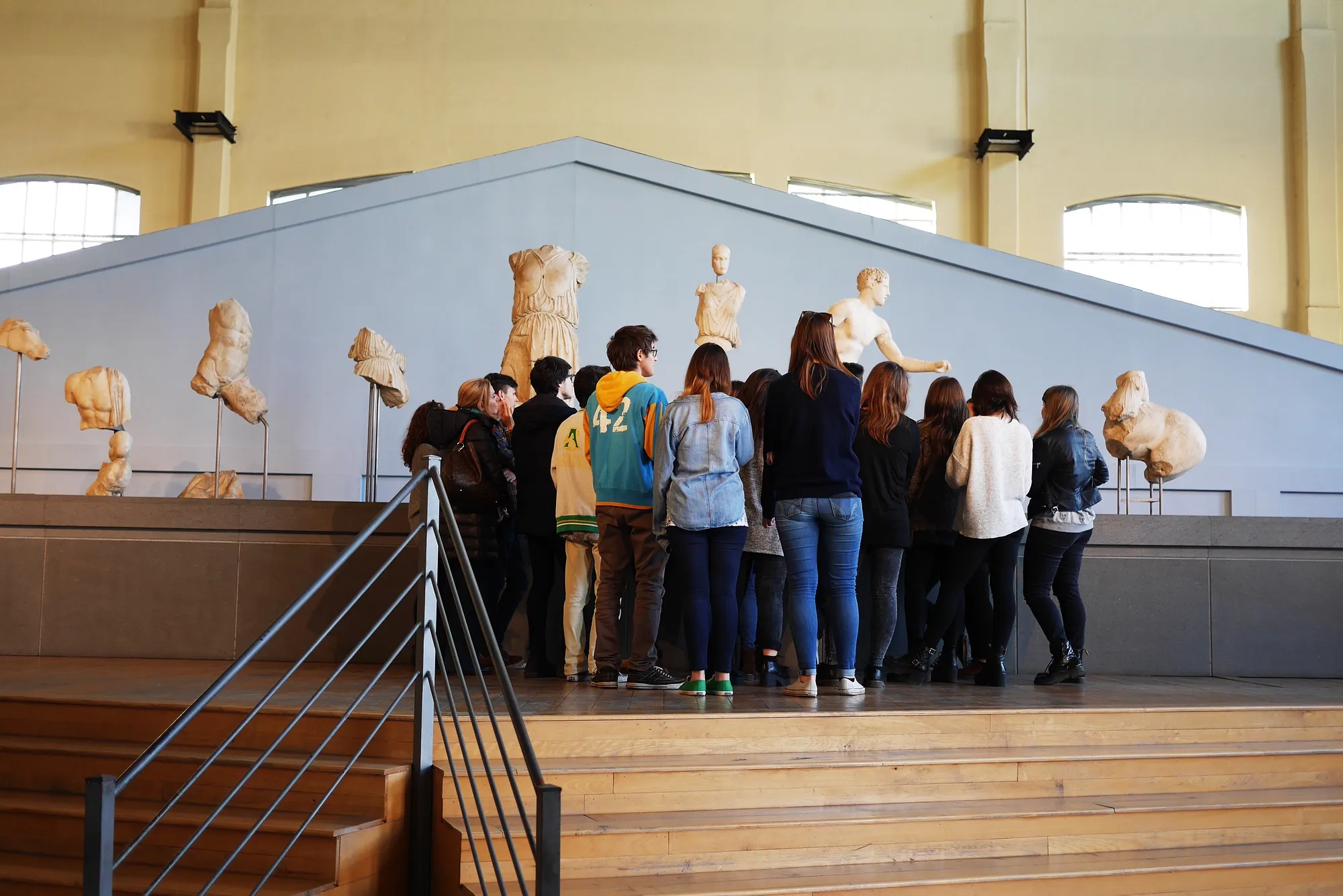
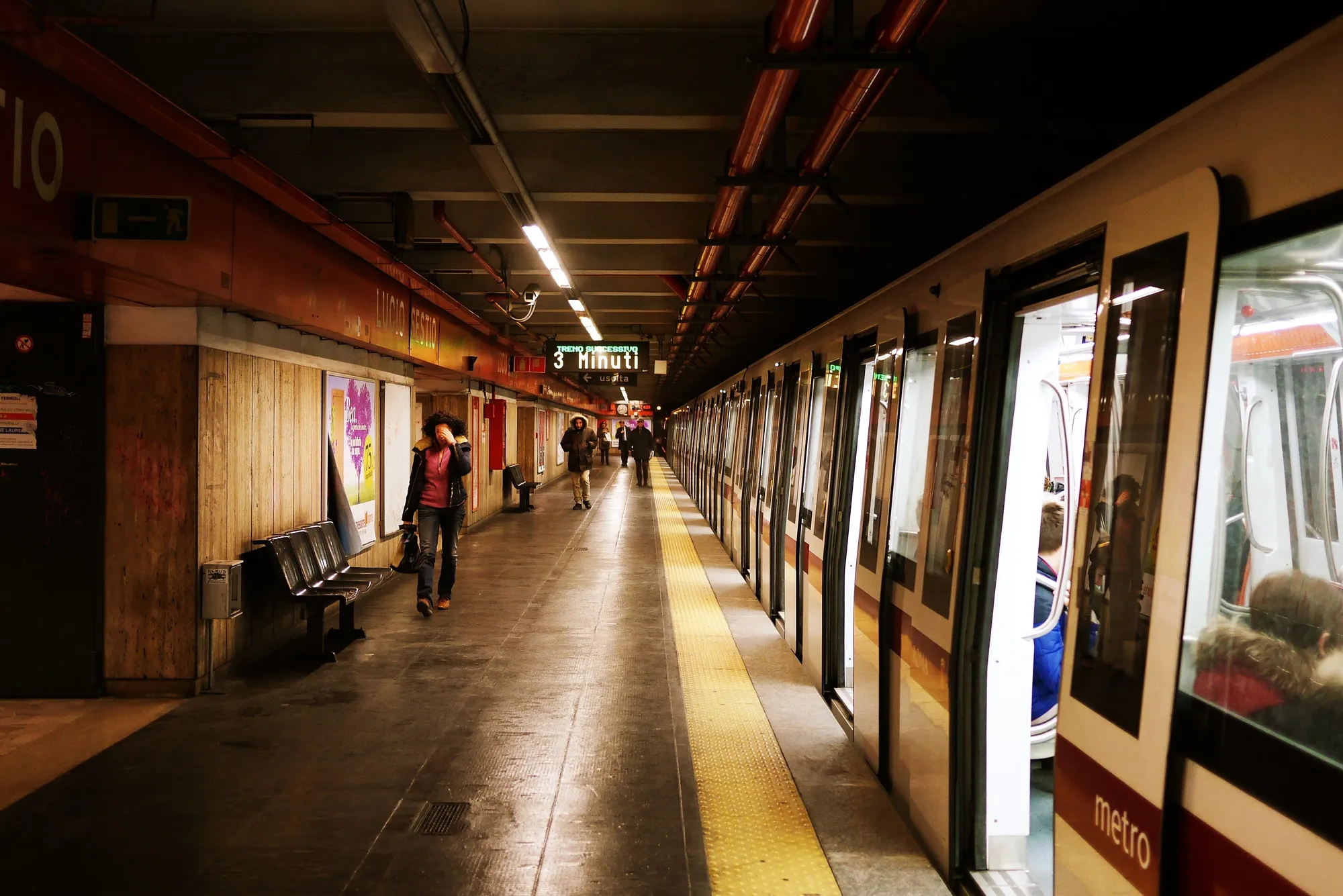
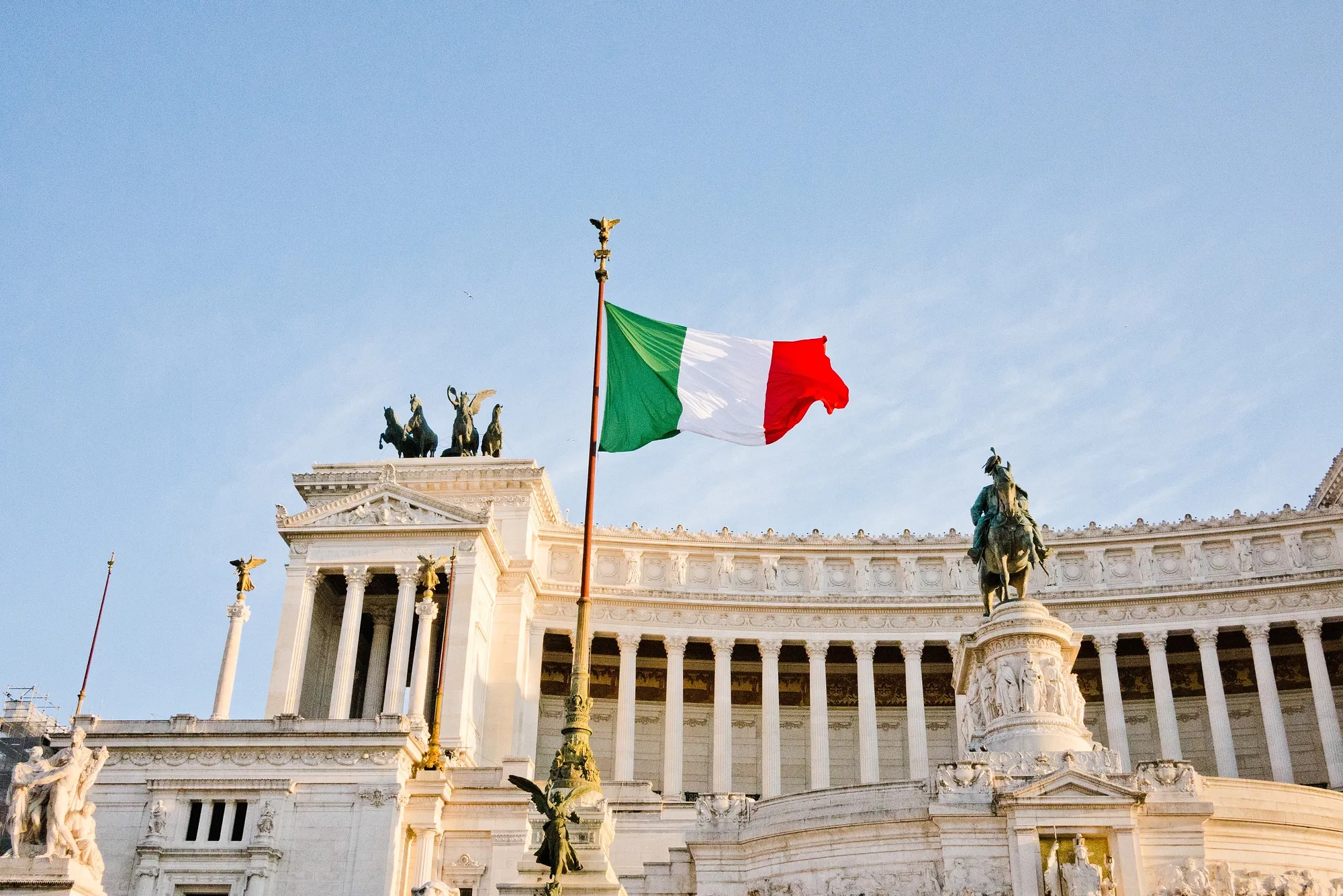
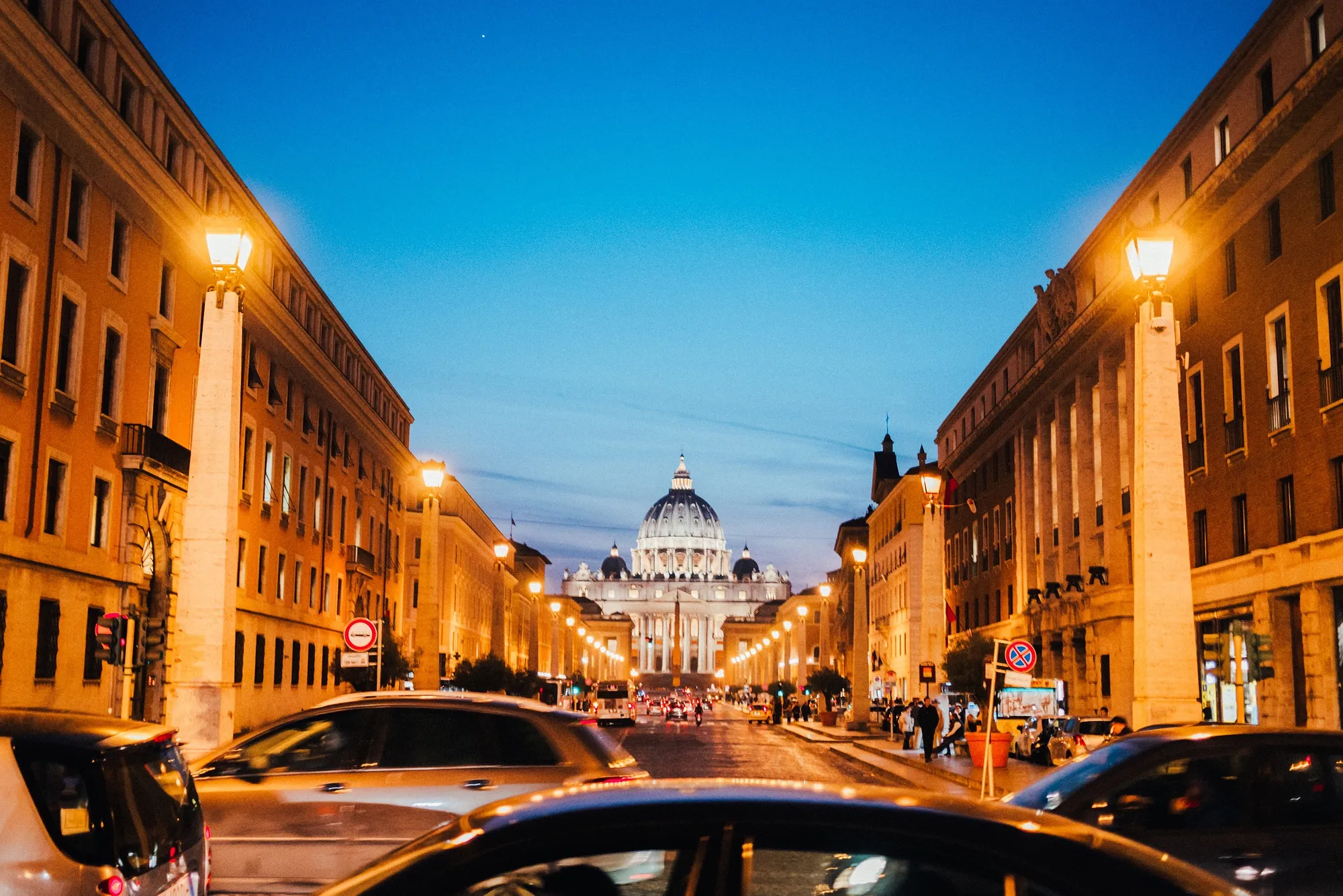
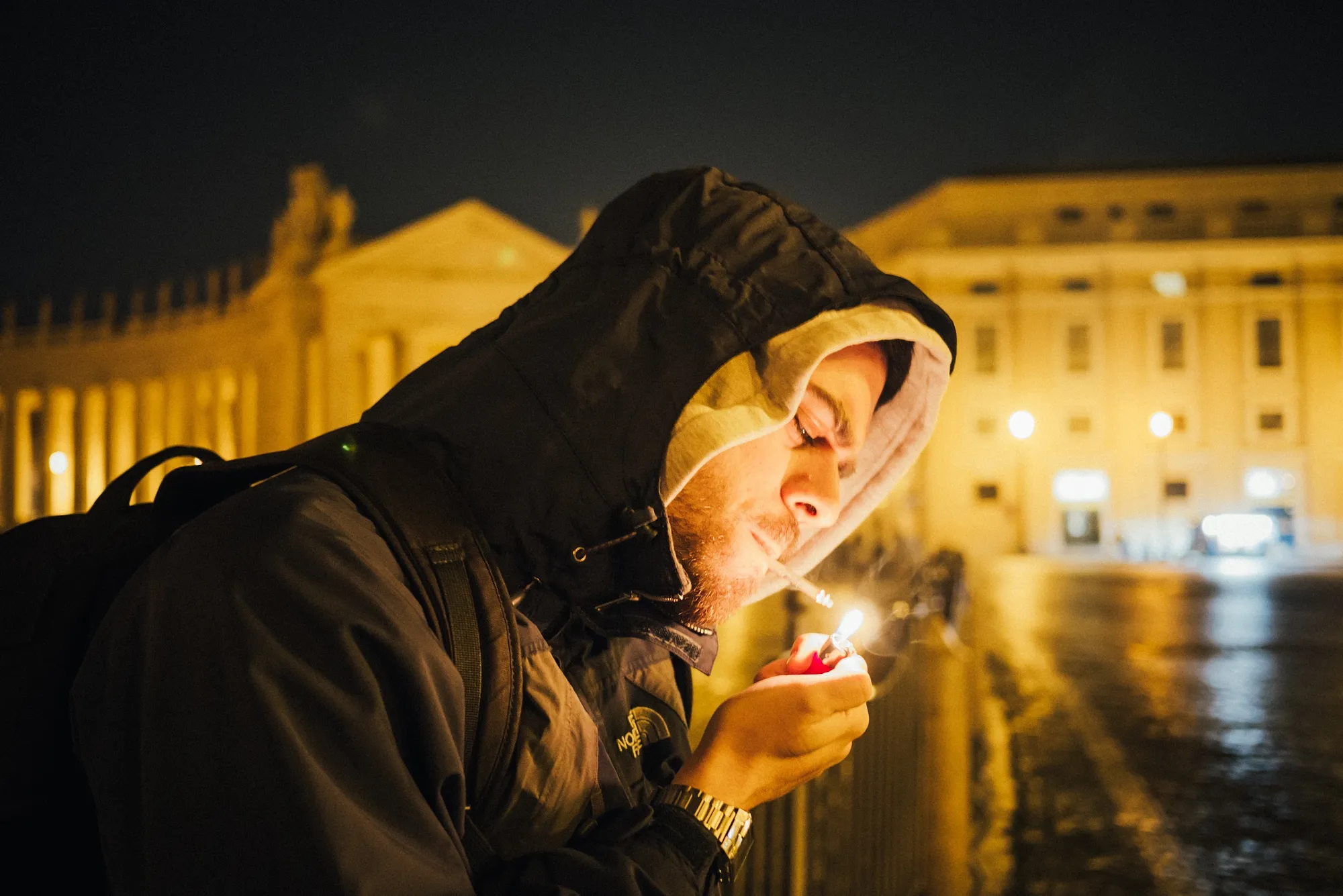
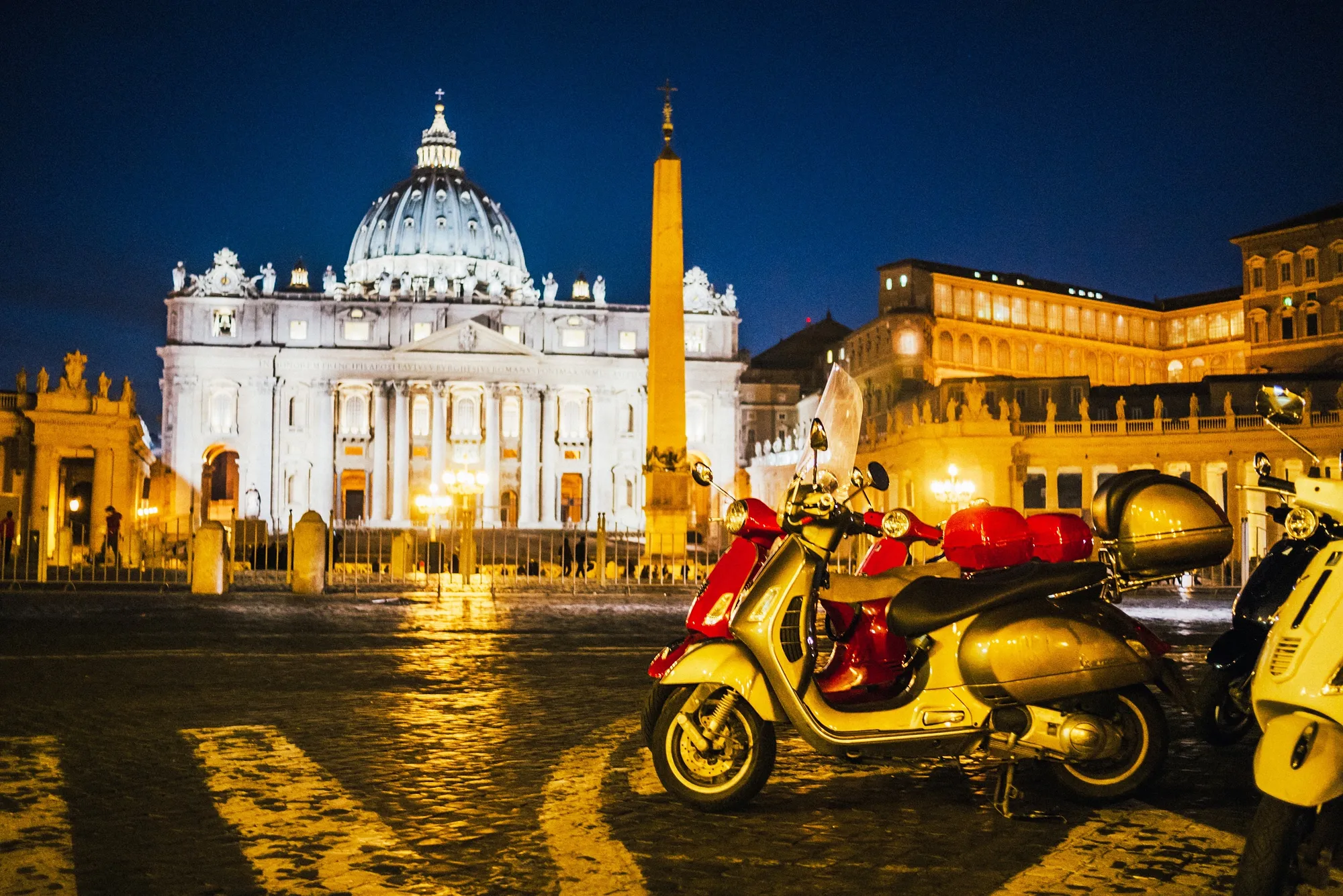
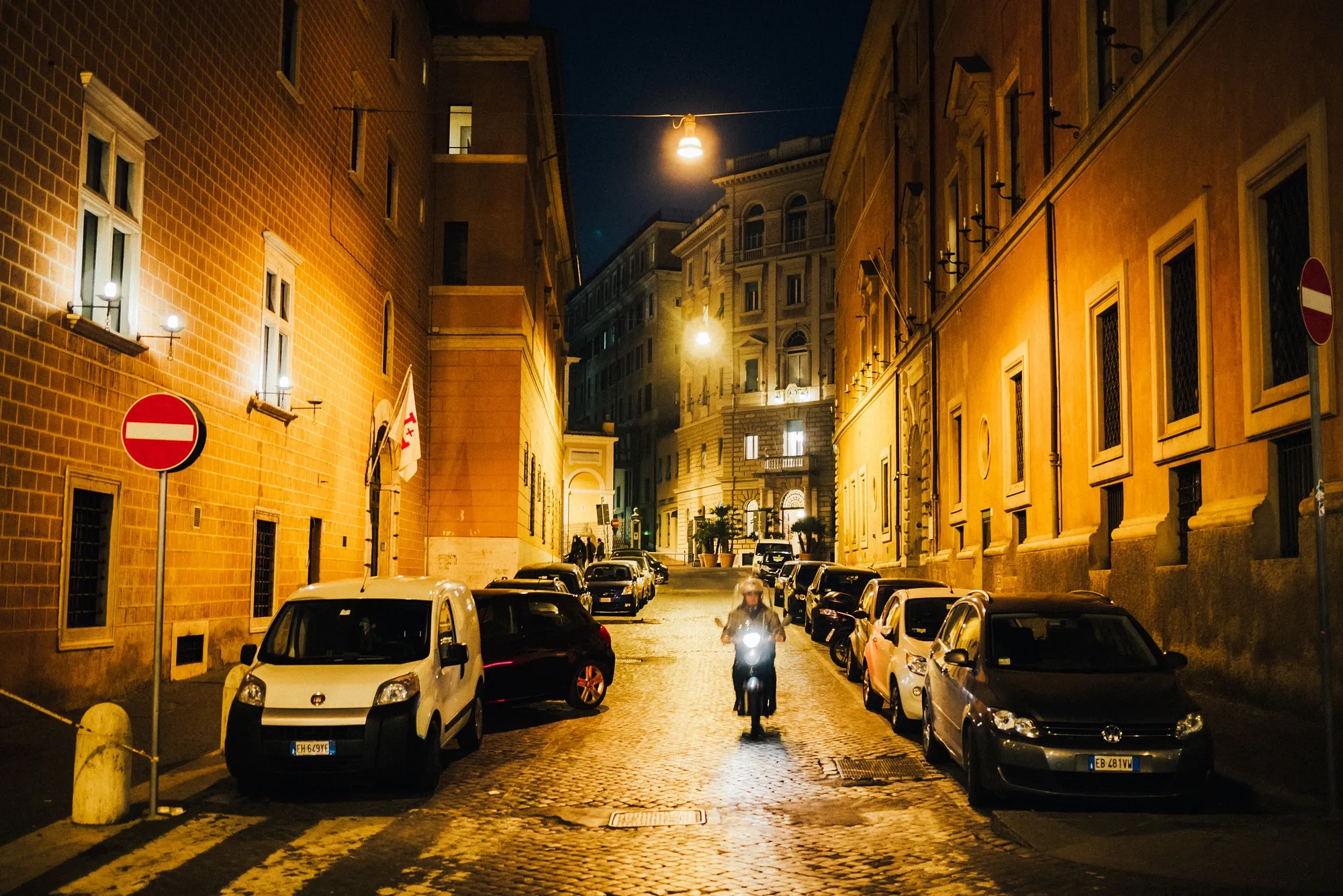
72 hours in Rome

One year after finishing my Erasmus in Rome, I came back to rediscover the city

Going viral with the Pope

I still have Delia's book, Memecracia, about the viral trends that govern us, pending at the top of my reading pile. The day before yesterday, without planning it, we ended up being a small part of one of those news stories that media outlets from all over the world publish to get a half smile from their viewers amidst so much daily drama. Those news stories that are candy for children, that little piece of chocolate after eating.

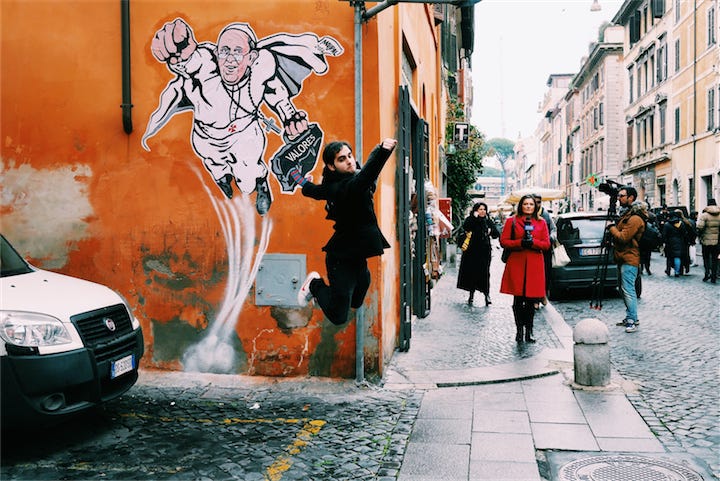
Two nights ago, Mauro Pallota decided to make a graffiti on an orange wall in Rome. The drawing characterized Pope Francis as a superman from the 80s, pulling his briefcase full of values and a scarf from his football team. The Vatican had "approved" the work with pleasure hours before through a tweet that at that moment already had more than 1000 RTs. And you know, when "Twitter burns", there is news.

The next morning, we happened to pass by and when we approached to see it, the photographers from the large international agencies were just arriving to cover the news (AP, Reuters, AFP). I asked Blanca to take a picture of me jumping, it would look good on Instagram. I always liked jumping in photos, someone even dedicated a Flickr group to me. I knew it was exactly what the colleagues needed, a bit of expressive reaction from the people to the painting. So we ended up there, both of us as spontaneous models doing little jumps in front of those cameras that were the eyes of the world.

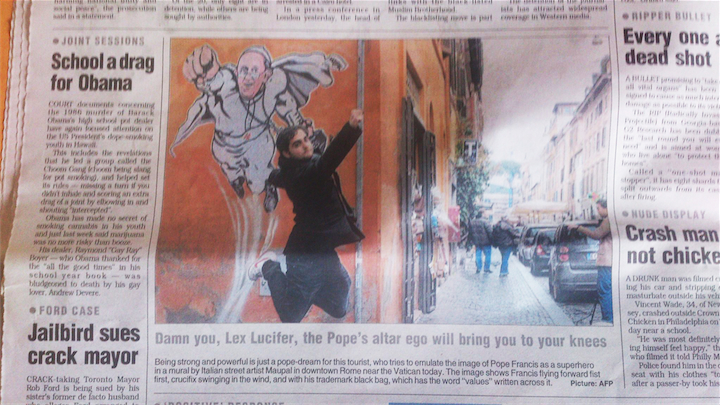
Hours later we started appearing on the websites of dozens of newspapers like The USA Today, Clarín, The Huffintong Post, La Voz de Galicia, Reuters, The Indian Express, Australian television... even a mini interview on the Polish news that noon.

Thanks to David Rodríguez for sending me the image of this newspaper from Melbourne, Australia.

We live in a world where news flies more than ever. Millions of media outlets catch the same focus, mutate the virus, and amplify the signal, or the noise, for the rest of humanity. In this case it was a quite harmless thing. But maybe we also need more ideas on how to slow down the news, to contextualize it better, to put it in quarantine, to have fewer impacts and more reflection.

If you intended to take a photo with superpope the next time you came to Rome, I am afraid the city council already erased the graffiti yesterday. It seems these Romans do not have as much vision as our countrymen from Borja.

Years in Prison

A Coruña, Spain

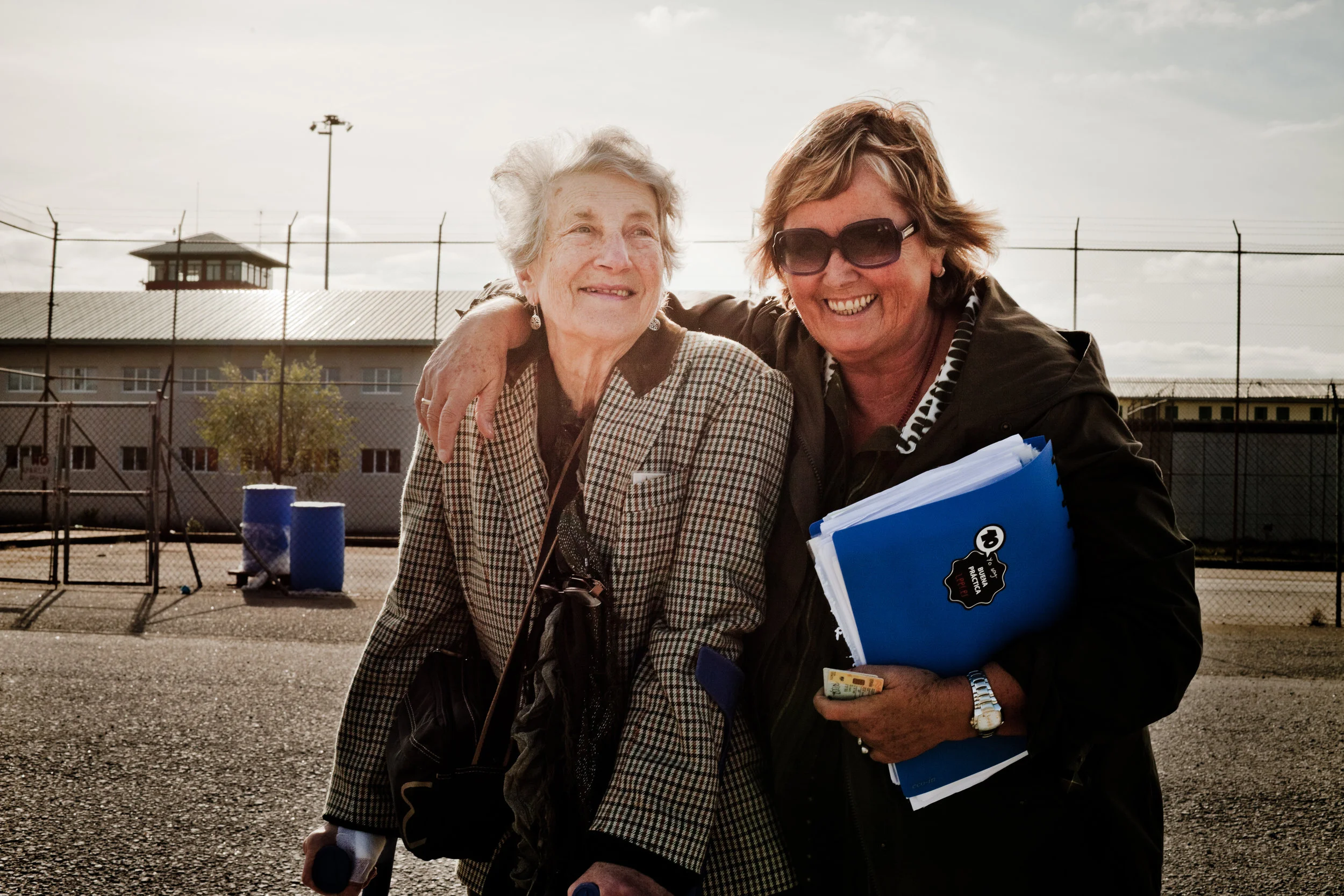
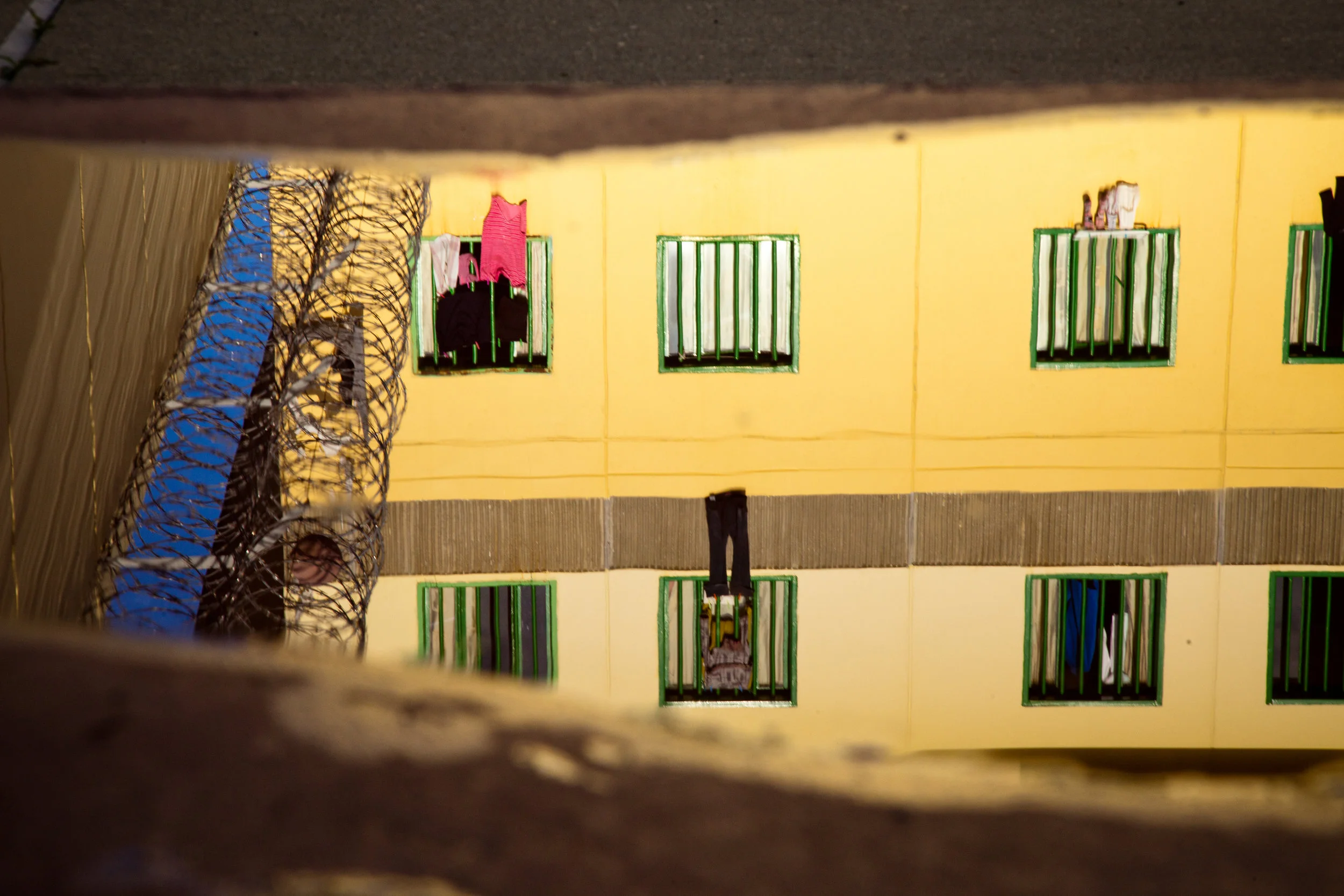
With so much talk about prisons these days—and particularly about Teixeiro, where Asunta's parents were sent and from which the convicted ETA member Inés del Río was released—I cannot help remembering Pilar Mingote and Paca Pardo. Almost two years ago I spent a couple of days taking photographs inside this Galician prison to document one of the stories in the book Héroes Sociales 2.0.

A few hours in women's wing 10 were enough to make me realise that I truly had no idea what the inside of a prison was like. Nor did I really understand the role prisons play in our society. It does not matter how many films you have seen or books you have read about them. Prison is probably one of the hardest places on earth to imagine without experiencing it.

Just before entering the wing, above the door, stood Article 25 of the Spanish Constitution, explaining what prisons are supposed to achieve:

“Custodial sentences and security measures shall be aimed at re-education and social rehabilitation and may not involve forced labour. In all cases, prisoners shall be entitled to paid work and the corresponding Social Security benefits, as well as access to culture and the full development of their personality.”

“Rehabilitation”: that idea, that faith in humanity.

The truth, however, is that our prisons are filled above all with poor people. With victims. With people who will not need to be reintegrated when they leave, but integrated into society for the first time. Innocent people born into broken families, without resources, in marginalised surroundings. Places where education reaches them neither at school in the morning nor at home in the afternoon; where the hope of making progress disappears before sunrise. Drugs are usually the first domino to fall. The remaining offences follow one after another. Paradoxically, entering prison may save them before the final piece falls.

Then there are those we call mad: people who commit appalling crimes that horrify us all—rape, abuse, macabre murders. The people the media labels “the monsters of...” The misunderstood, the betrayed, the powerless, those born with a misplaced gene; what do I know.

The group that always receives the most media attention is that of the “intellectual villains”: people who lived well, or better than most, and ended up behind bars; people who conspired against the status quo. This is where we tend to place terrorists and the corrupt. I have never met an ETA member, but judging by what Fernando Reinares—who appears to know the subject—writes in Patriotas de la muerte and says in this RNE interview, I would describe most terrorists as having a rather modest intellectual profile. Those with sharper minds know how to avoid getting their hands dirty.

Finally come the smallest group, those who arouse the least sympathy outside: people who live in glass bubbles, in worlds where your worth is measured only by your money and the favours you can provide. Financial criminals, the Bárcenas, Mario Condes and Rocas.

These people seem far too different as patients to receive the same diagnosis and the same treatment with variations only in dosage: “terrible people, send them to prison.” We can probably agree that restricting their freedom is appropriate when they may pose a threat on the street. But is the entire debate really going to be about how many years in prison they deserve? Is prison a form of collective revenge? Are years behind bars a currency? And above all, why do we allow all those prisoners in the first group to rot?

Those were the questions I carried out of Teixeiro on that autumn afternoon. Pilar Mingote and Paca Pardo have spent years visiting the prison regularly and genuinely helping the women of wing 10 find another chance. The two teachers do everything possible to help the inmates express themselves and learn how to do so. Together they have created an association, a magazine, reading workshops, radio and television programmes, conferences and interviews. They have done all of it through sheer will and with the little help they receive from people nearby who learn about their projects. Pilar Portero tells the story much better than I do in the book.

Granada and Its Malafollá

People from Granada are a little like children lucky enough to have a charming, clever, handsome and famous father. When we travel to the big city, our surname or accent gives us away and someone asks: “You wouldn't happen to be the son of...?” Once we confirm that we are indeed children of the city of the Alhambra, it is rare not to hear a stream of compliments and envy in return.

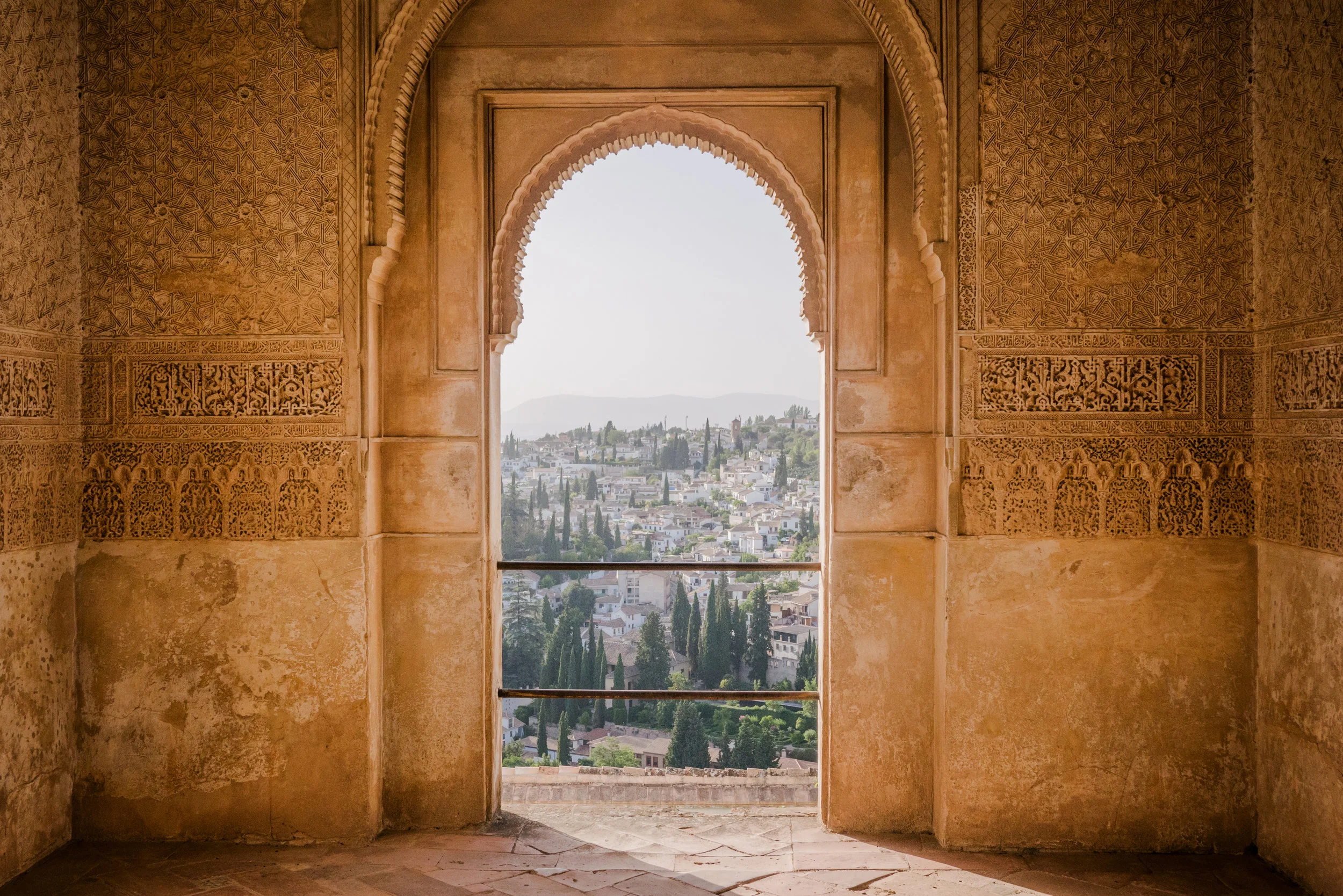
Walking through the gardens of the Generalife, amid that fusion of water and architecture and those equations rendered in stucco, I began to wonder how people from Granada came to be famous for the rough character known as malafollá.

It is very difficult to define malafollá, and risky to translate it as what the rest of Spain calls bad temper or ill humour. Outsiders might begin to understand it by reading Ladrón de Guevara's book La malafollá granaina. Another important local chronicler, Andrés Cárdenas, even took the discussion to New York with his essay “Dejaos de pollas, vayamos a pollas,” about Granada's extraordinary habit of using the word polla to express almost anything.

Meanwhile, as I walked through the Nasrid palace, I wondered whether malafollá might be a kind of Oedipus complex: a love-hate struggle, an insecurity directed at the city that raised us and attracts more than three million visitors from all over the world every year. You only have to look at the intense passion stirred among locals by what @mfgranaina publishes on Twitter or Facebook. The old line “Give him alms, woman, for in life there is no sorrow like being blind in Granada” is repeated day after day. People love the city madly, though not always their fellow citizens. Out of this comes the complaining spirit of fohhh and lavín compae: a blunt character that never seems able to empathise with the neighbour standing closest to us.

A man from Granada enters a barber shop. The barber welcomes him warmly and talks about the weather, his dog, the newspaper's front page, the radio discussion, the neighbour who sings boleros and how badly he wants to go to the beach. At last he asks his customer, ‘So, how would you like me to cut your hair?’ The man replies: ‘In silence.’” — J. E. Cabrero's approximation of malafollá.

Google tells me that only one person across the whole internet, and twelve years ago at that, dared to say of Granada the cliché normally reserved for almost every ugly city: “The best thing about Granada is its people.”

But you cannot have everything. And as we say, nowhere compares to Graná, right, Frank Sinatra?

The Young Photographer at Puerta del Sol

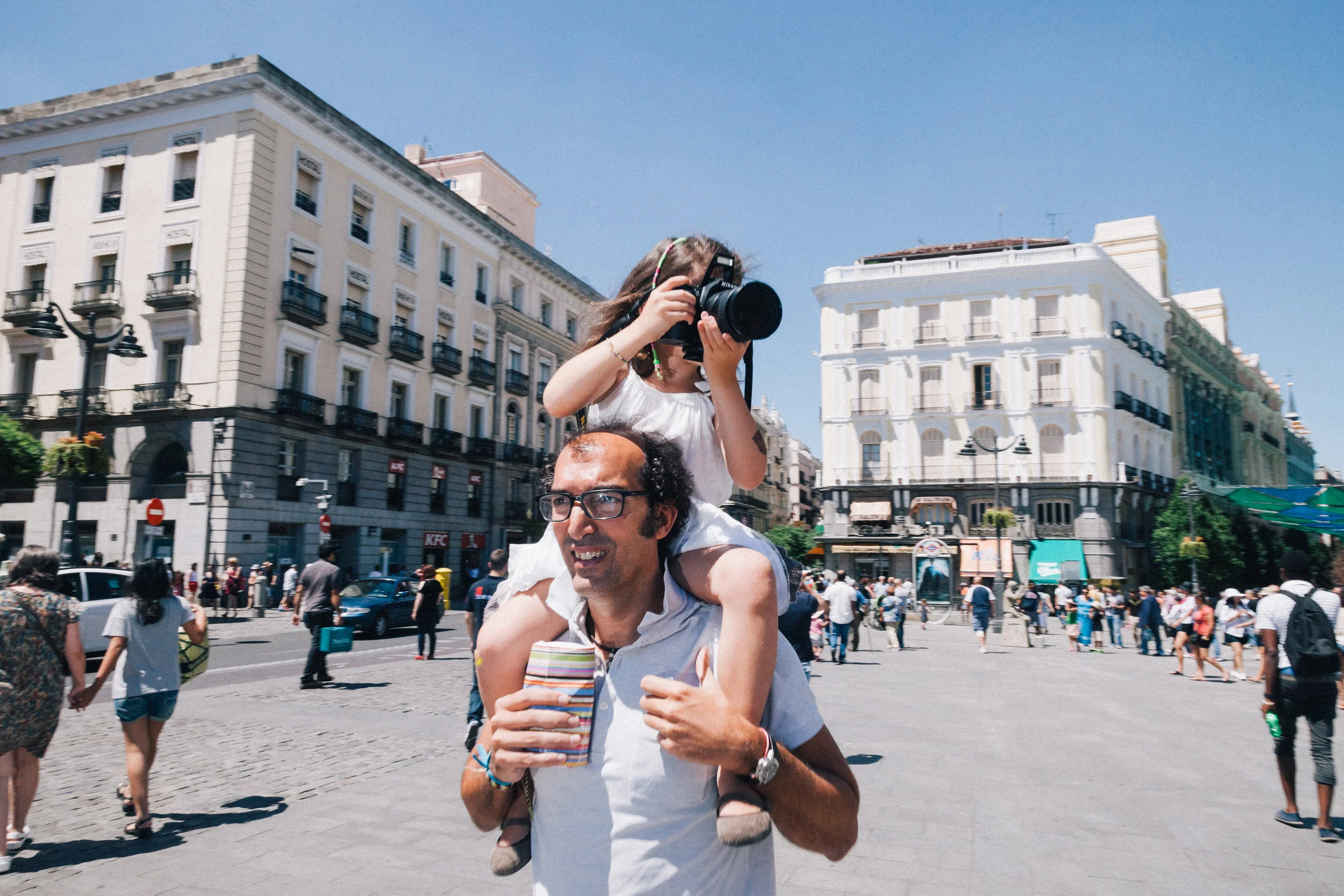
I was sweating my way across Puerta del Sol with a camera in my hand. I could not find anyone special enough—or typical enough—to photograph and share here. Then I suddenly came across this adorable girl riding on her father's shoulders as they explored the city. She was holding a camera larger than mine, steadier than a war photographer and without even a strap. I photographed her, she photographed me, and we carried on our separate ways.
UPDATE: we managed to find the young photographer. Her name is Marta. We also have the photo she was taking at that exact moment :)

Neighbourhood Shops

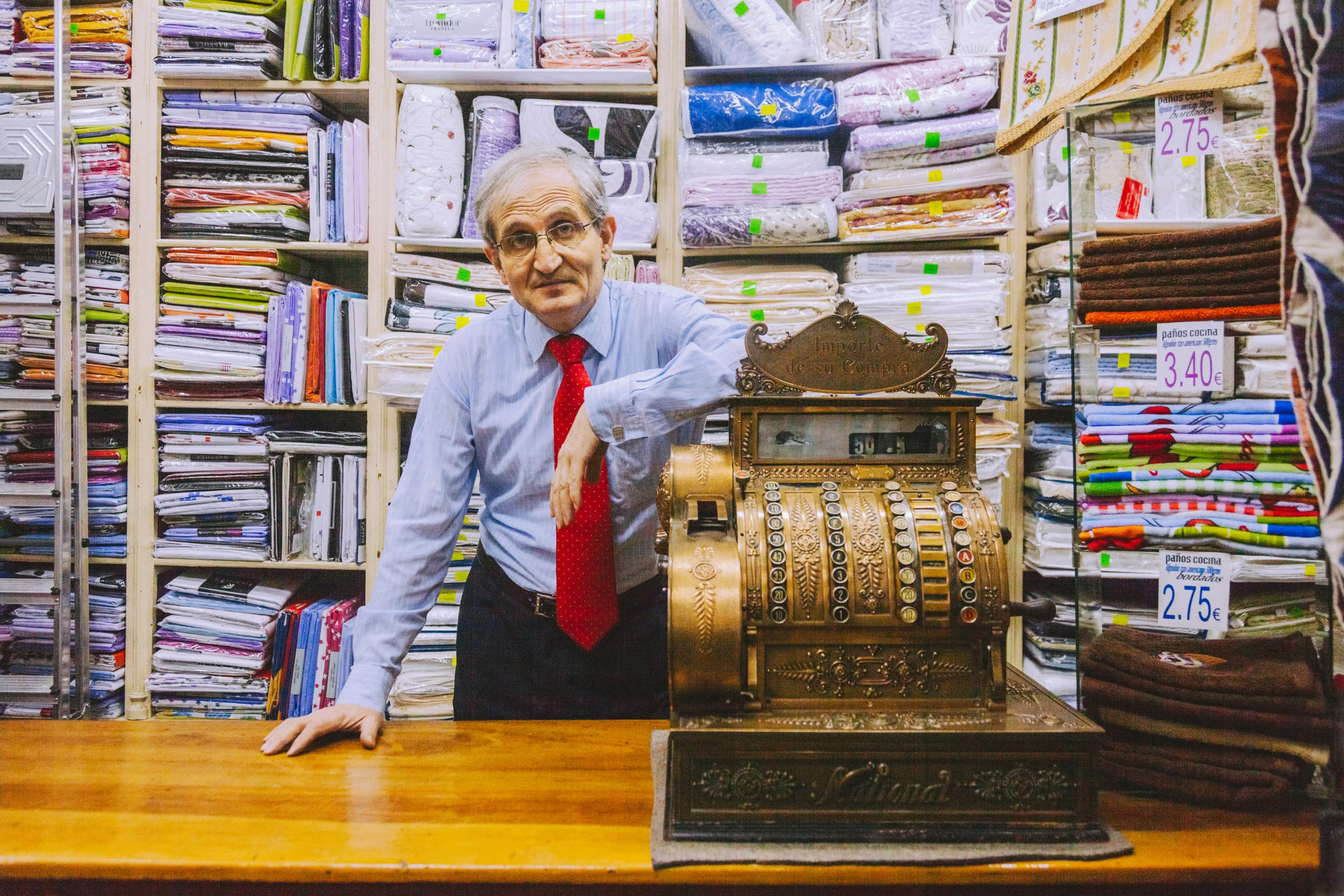
Antonio runs a household-fabric shop right in the centre of Madrid. Almacenes de Aragón, inherited from his father and grandfather, has stood on Corredera Baja de San Pablo since the beginning of the last century. The cash register I ask him to pose beside is as old and as vintage as the shop itself; he is now looking for a collector who will continue to care for it.

The flannel pyjamas in the window intrigued us enough to go inside. When I asked permission to take a few photographs of his century-old shop, the conversation caught fire. Antonio tells me that you can count on one hand the customers who enter on a Saturday afternoon, and that they are quite different from those who come on any other day. On a day off people enter with another disposition: calmer, more talkative, more inclined to say, sell me whatever you like. Perhaps Real Madrid sheets for the boy or a girdle for grandma. He sells more on Mondays, but then people come straight to the point because they already know what they want. Antonio has developed an entire theory of shopper psychology.
Antonio communicates remarkably well. In his neatly ironed shirt and tie he looks more at home in an office than behind a counter. He tells us that at thirty, partly for pleasure and partly to catch up academically with his wife and closest friends, he began studying law part-time. Slowly but surely, he applied himself so thoroughly that he eventually completed a doctoral thesis without ever leaving the family business.

Like everyone else, Antonio complains about the politicians in Congress. He hopes to retire in three years and two days; he counts down what remains as he once counted down military service. He speaks resignedly about the crisis while cutting fabric for a pair of made-to-measure pillowcases. Yet despite everything, he seems a fairly happy and fulfilled man.

His business has not only been hit by the ripple effects of the property crash that affected us all. Its real decline began in the mid-1990s, when hypermarkets spread throughout Spain and used their economies of scale against small retailers. That was the beginning of the disappearance of these familiar neighbourhood shops: experienced, intelligent and friendly shopkeepers with whom you could have a conversation. People who created social fabric and cohesion in the middle of commercial processes that are now as efficient as they are cold.